
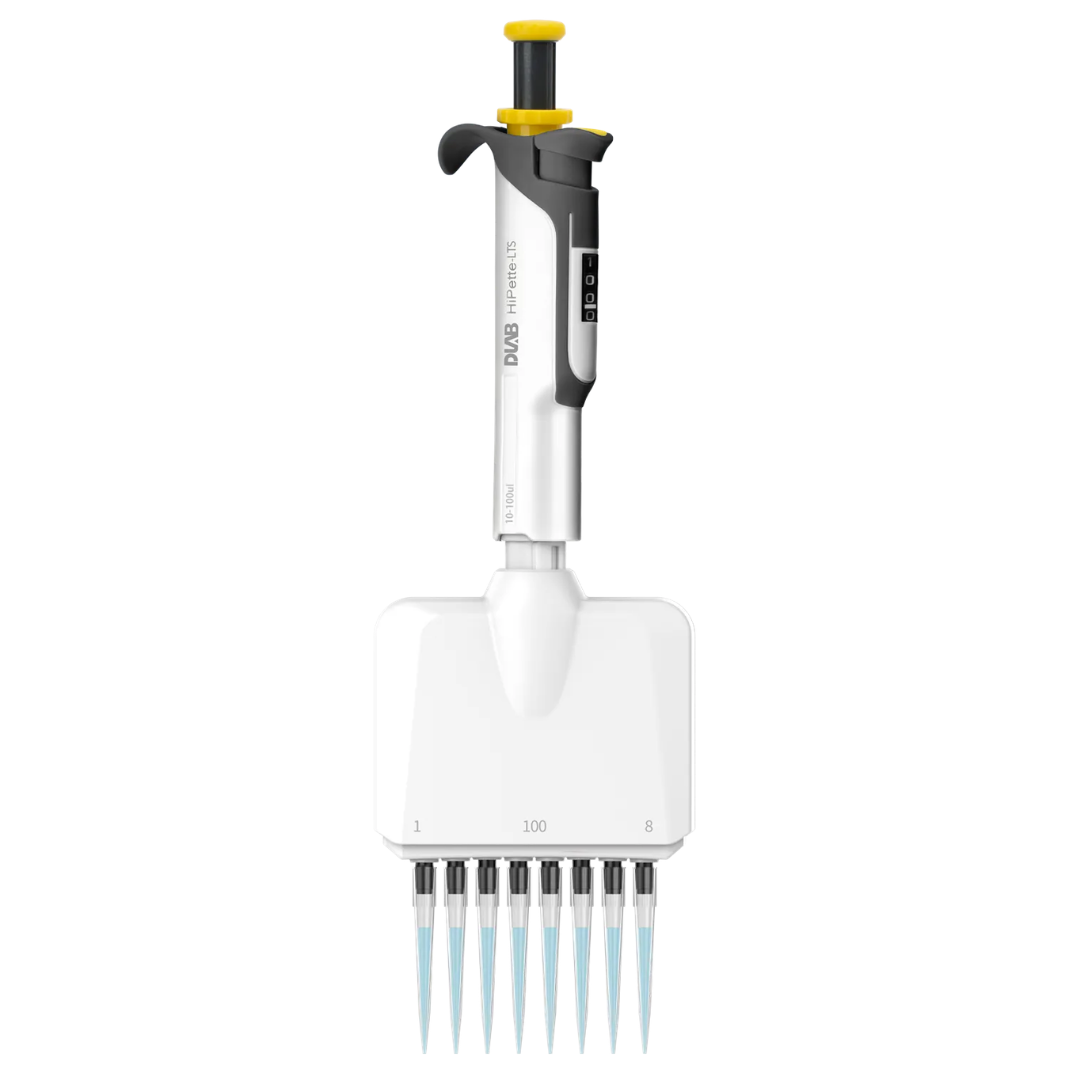
HiPette-LTS Fully Autoclavable Manual 8-Channel Adjustable Colorful Pipette
HiPette-LTS Fully Autoclavable Manual 8-Channel Adjustable Colorful Pipette is a high-precision, fully autoclavable multi-channel pipette designed for accurate and efficient liquid handling. Featuring LTS technology for smooth tip loading and consistent performance, it is ideal for molecular biology, cell culture, immunology, and routine laboratory applications.
The HiPette-LTS Fully Autoclavable Manual 8-Channel Adjustable Colorful Pipette is designed to deliver precise, reliable, and comfortable multi-channel pipetting for everyday laboratory work. Its LTS (LiteTouch System) technology enables effortless tip loading and ejection, reduces hand fatigue, and ensures consistent aspiration and dispensing across all channels.
With a fully autoclavable construction, ergonomic design, and dependable performance, this pipette is suitable for applications such as PCR, qPCR, ELISA, cell culture, DNA/RNA extraction, and other routine laboratory procedures. It is widely used in research laboratories, pharmaceutical and biotechnology companies, clinical diagnostics, food testing, environmental monitoring, universities, and healthcare institutions.
Related Products

A stand and clamp is a basic yet essential piece of laboratory equipment used to hold and support apparatus during experiments. It provides stability and helps secure glassware or other tools in place.

Burette is a long, graduated glass tube with a tap at the bottom, used in laboratories to accurately deliver measured volumes of liquids, especially in titrations. It allows controlled addition of a solution to react with another in a flask. Burettes are marked with precise volume measurements, making them essential for quantitative chemical analysis.
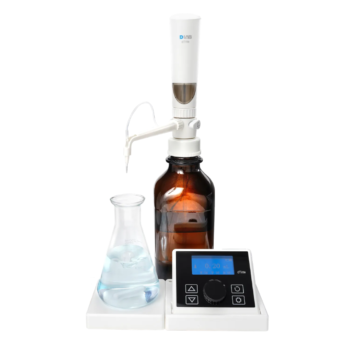
dTrite Electronic Burette is a high-precision electronic titration device designed for accurate and effortless liquid dispensing. Featuring electronic control, a built-in magnetic stirrer, and a large LCD display, it is ideal for laboratory titration and analytical applications.
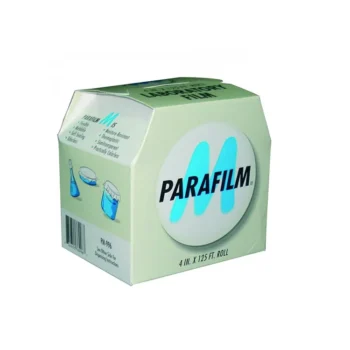
film made of polyolefines and paraffin waxes Service temperature from 45 ?C up to +50C (melting point +60 C) Resistant to saline solutions, most common inorganic acids and bases used in laboratory and some organics solvents (methanol, ethanol and 2-propanol) Not resistant to diethylether, chloroform, carbon tetrachloride, benzene or toluene.
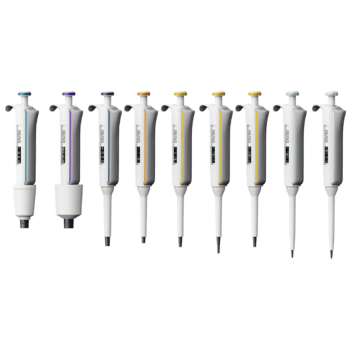
Mi-Pette New Generation Colorful Fully Autoclavable Adjustable Pipette is a high-precision manual pipette designed for accurate and comfortable liquid handling. Featuring an ergonomic design, color-coded identification, fine volume adjustment, and full autoclavability, it is ideal for research, diagnostics, and routine laboratory applications.

PCR tubes are small, thin-walled plastic tubes used in Polymerase Chain Reaction (PCR) to hold DNA samples during thermal cycling. Made of polypropylene, they ensure efficient heat transfer and chemical resistance. They typically come in 0.2 mL or 0.5 mL sizes, with flat or domed caps. PCR tubes are essential for precise and contamination-free DNA amplification.

Inoculating loops are simple laboratory tools used to transfer microorganisms from one medium to another, such as from a culture broth to an agar plate. Made of metal (usually nichrome or platinum) or plastic, they have a small loop at the end that holds a tiny amount of liquid or cells. They are essential in microbiology for aseptic techniques.


Conical flask, also known as an Erlenmeyer flask, is a laboratory container with a conical body, flat bottom, and a narrow neck. It is used for mixing, heating, and storing liquids. The narrow neck helps reduce spillage and allows for use with stoppers. It is ideal for titrations, as it can be easily swirled without risk of spilling.

A vacuum distillation glass set is a laboratory apparatus used to distill liquids at reduced pressure, allowing substances with high boiling points to vaporize at lower temperatures. This prevents thermal decomposition and is ideal for heat-sensitive compounds.
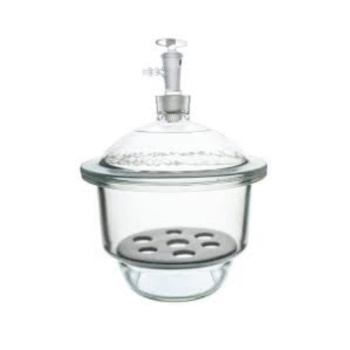
A desiccator is a sealed container used in laboratories to keep moisture-sensitive items dry. It contains a desiccant, such as silica gel, which absorbs humidity. Desiccators are commonly used to store samples, dry chemicals, or protect equipment from moisture, ensuring accurate experimental results and preserving sample integrity.


Reviews
There are no reviews yet.