


Related Products

Cell culture plate is a flat, sterile plastic or glass plate used in laboratories to grow and study cells under controlled conditions. It contains multiple wells (like 6, 12, 24, 96, or 384) where cells are cultured in nutrient media. These plates are essential in biological research, drug testing, and tissue engineering for observing cell behavior and responses.
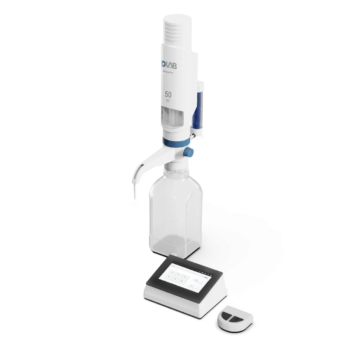
dFlow-Pro Electronic Bottle-Top Dispenser is a high-precision electronic dispenser designed for accurate, efficient, and safe liquid handling. With a smart touchscreen, multiple dispensing modes, and adjustable speed control, it is ideal for laboratory and industrial dispensing applications.

Inoculating loops are simple laboratory tools used to transfer microorganisms from one medium to another, such as from a culture broth to an agar plate. Made of metal (usually nichrome or platinum) or plastic, they have a small loop at the end that holds a tiny amount of liquid or cells. They are essential in microbiology for aseptic techniques.
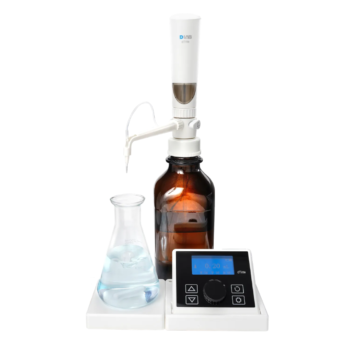
dTrite Electronic Burette is a high-precision electronic titration device designed for accurate and effortless liquid dispensing. Featuring electronic control, a built-in magnetic stirrer, and a large LCD display, it is ideal for laboratory titration and analytical applications.
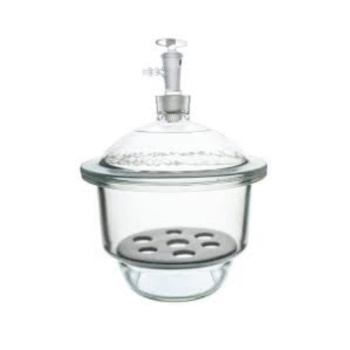
A desiccator is a sealed container used in laboratories to keep moisture-sensitive items dry. It contains a desiccant, such as silica gel, which absorbs humidity. Desiccators are commonly used to store samples, dry chemicals, or protect equipment from moisture, ensuring accurate experimental results and preserving sample integrity.


A vacuum distillation glass set is a laboratory apparatus used to distill liquids at reduced pressure, allowing substances with high boiling points to vaporize at lower temperatures. This prevents thermal decomposition and is ideal for heat-sensitive compounds.

A pycnometer is a laboratory device used to determine the density or specific gravity of liquids and fine solids. It is usually a small glass flask with a close-fitting stopper that has a capillary hole to allow air to escape. Pycnometers provide highly accurate measurements and are commonly used in chemistry and material science.

Racks are laboratory tools used to hold, organize, and store test tubes safely and upright. They are made of plastic, wood, or metal and come in various sizes to fit different tube diameters. These racks help prevent spillage, breakage, and contamination during experiments, making them essential for safe and efficient laboratory work.

Conical flask, also known as an Erlenmeyer flask, is a laboratory container with a conical body, flat bottom, and a narrow neck. It is used for mixing, heating, and storing liquids. The narrow neck helps reduce spillage and allows for use with stoppers. It is ideal for titrations, as it can be easily swirled without risk of spilling.
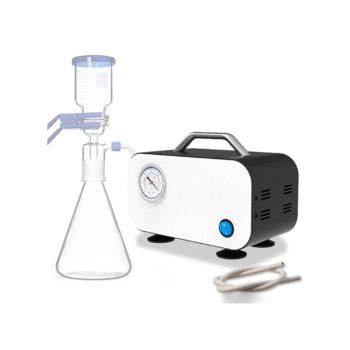
A vacuum pump with filtration is a system used primarily in laboratories to remove air and create a vacuum for filtration processes. It helps in speeding up filtration by reducing pressure, allowing liquid to pass quickly through a filter paper.
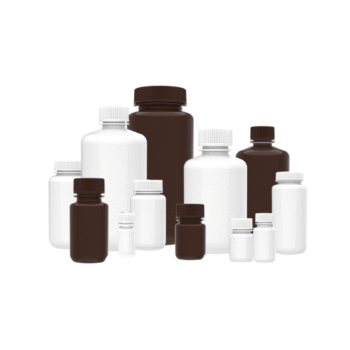
Polypropylene reagent bottles are durable, chemical-resistant containers commonly used in laboratories for storing and dispensing liquid or powdered chemicals. Made from high-quality polypropylene plastic, these bottles offer excellent resistance to a wide range of acids, bases, and solvents, making them ideal for both general-purpose and specialized chemical storage.


Reviews
There are no reviews yet.