


Related Products

Inoculating loops are simple laboratory tools used to transfer microorganisms from one medium to another, such as from a culture broth to an agar plate. Made of metal (usually nichrome or platinum) or plastic, they have a small loop at the end that holds a tiny amount of liquid or cells. They are essential in microbiology for aseptic techniques.

Porcelain crucible is a small, heat-resistant container made from ceramic material, used in laboratories for heating substances to very high temperatures. It is commonly used in ash content analysis, metal melting, and chemical reactions that require intense heat. Crucibles can withstand open flames and are often used with a lid and a clay triangle during heating.

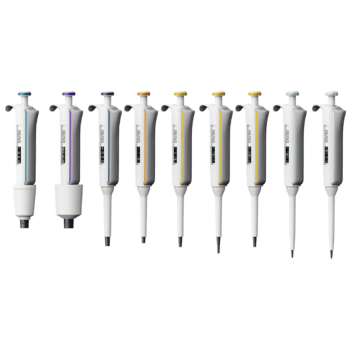
Mi-Pette New Generation Colorful Fully Autoclavable Adjustable Pipette is a high-precision manual pipette designed for accurate and comfortable liquid handling. Featuring an ergonomic design, color-coded identification, fine volume adjustment, and full autoclavability, it is ideal for research, diagnostics, and routine laboratory applications.

Pipette tips are disposable, narrow plastic attachments used with micropipettes to accurately transfer small volumes of liquid in laboratories. They ensure precision, prevent cross-contamination, and are available in various sizes (e.g., 10 µL, 200 µL, 1000 µL). Sterile pipette tips are used in sensitive experiments like molecular biology, cell culture, and PCR.

A laboratory bladder is a flexible, inflatable membrane or container used in various experimental setups to simulate pressure, store gases or liquids, or mimic biological systems. Made from materials like latex or silicone, it is commonly used in fluid mechanics, biomedical research, or testing equipment to apply controlled pressure or volume changes.
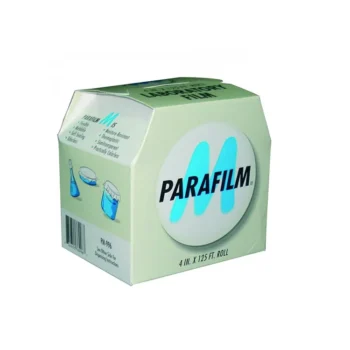
film made of polyolefines and paraffin waxes Service temperature from 45 ?C up to +50C (melting point +60 C) Resistant to saline solutions, most common inorganic acids and bases used in laboratory and some organics solvents (methanol, ethanol and 2-propanol) Not resistant to diethylether, chloroform, carbon tetrachloride, benzene or toluene.

Petri dishes are shallow, circular, flat-lidded dishes typically made of glass or plastic, used in laboratories for culturing microorganisms like bacteria and fungi. Filled with a nutrient medium (e.g., agar), they provide a controlled environment for microbial growth. Petri dishes are essential tools in microbiology, cell culture, and research involving observation of microbial colonies and growth patterns.

A vacuum distillation glass set is a laboratory apparatus used to distill liquids at reduced pressure, allowing substances with high boiling points to vaporize at lower temperatures. This prevents thermal decomposition and is ideal for heat-sensitive compounds.

Centrifuge tube is a cylindrical, conical-bottomed container used in laboratories to hold samples during centrifugation. Made of plastic or glass, it is designed to withstand high-speed spinning that separates components based on density. Centrifuge tubes come in various sizes (e.g., 1.5 mL, 15 mL, 50 mL) and often have screw caps or snap lids to prevent leakage during use.
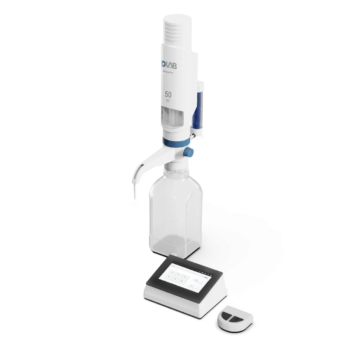
dFlow-Pro Electronic Bottle-Top Dispenser is a high-precision electronic dispenser designed for accurate, efficient, and safe liquid handling. With a smart touchscreen, multiple dispensing modes, and adjustable speed control, it is ideal for laboratory and industrial dispensing applications.

Cell culture plate is a flat, sterile plastic or glass plate used in laboratories to grow and study cells under controlled conditions. It contains multiple wells (like 6, 12, 24, 96, or 384) where cells are cultured in nutrient media. These plates are essential in biological research, drug testing, and tissue engineering for observing cell behavior and responses.


Reviews
There are no reviews yet.