


Related Products

PCR tubes are small, thin-walled plastic tubes used in Polymerase Chain Reaction (PCR) to hold DNA samples during thermal cycling. Made of polypropylene, they ensure efficient heat transfer and chemical resistance. They typically come in 0.2 mL or 0.5 mL sizes, with flat or domed caps. PCR tubes are essential for precise and contamination-free DNA amplification.
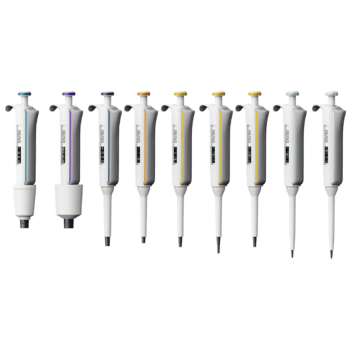
Mi-Pette New Generation Colorful Fully Autoclavable Adjustable Pipette is a high-precision manual pipette designed for accurate and comfortable liquid handling. Featuring an ergonomic design, color-coded identification, fine volume adjustment, and full autoclavability, it is ideal for research, diagnostics, and routine laboratory applications.

Burette is a long, graduated glass tube with a tap at the bottom, used in laboratories to accurately deliver measured volumes of liquids, especially in titrations. It allows controlled addition of a solution to react with another in a flask. Burettes are marked with precise volume measurements, making them essential for quantitative chemical analysis.

The Le Chatelier Specific Gravity Bottle is a specialized glass apparatus used to determine the specific gravity (relative density) of fine materials like cement. It has a narrow neck with a graduated scale and a bulb at the bottom. The bottle accurately measures the volume displaced by a known weight of material, helping assess quality and consistency in construction materials.

Pipette tips are disposable, narrow plastic attachments used with micropipettes to accurately transfer small volumes of liquid in laboratories. They ensure precision, prevent cross-contamination, and are available in various sizes (e.g., 10 µL, 200 µL, 1000 µL). Sterile pipette tips are used in sensitive experiments like molecular biology, cell culture, and PCR.
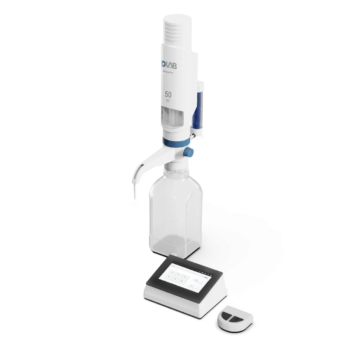
dFlow-Pro Electronic Bottle-Top Dispenser is a high-precision electronic dispenser designed for accurate, efficient, and safe liquid handling. With a smart touchscreen, multiple dispensing modes, and adjustable speed control, it is ideal for laboratory and industrial dispensing applications.

A vacuum distillation glass set is a laboratory apparatus used to distill liquids at reduced pressure, allowing substances with high boiling points to vaporize at lower temperatures. This prevents thermal decomposition and is ideal for heat-sensitive compounds.

Conical flask, also known as an Erlenmeyer flask, is a laboratory container with a conical body, flat bottom, and a narrow neck. It is used for mixing, heating, and storing liquids. The narrow neck helps reduce spillage and allows for use with stoppers. It is ideal for titrations, as it can be easily swirled without risk of spilling.
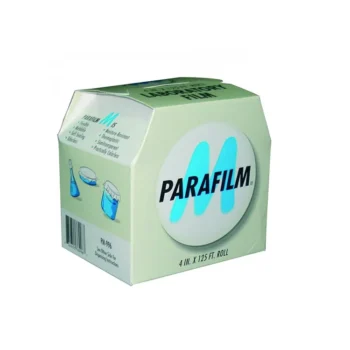
film made of polyolefines and paraffin waxes Service temperature from 45 ?C up to +50C (melting point +60 C) Resistant to saline solutions, most common inorganic acids and bases used in laboratory and some organics solvents (methanol, ethanol and 2-propanol) Not resistant to diethylether, chloroform, carbon tetrachloride, benzene or toluene.
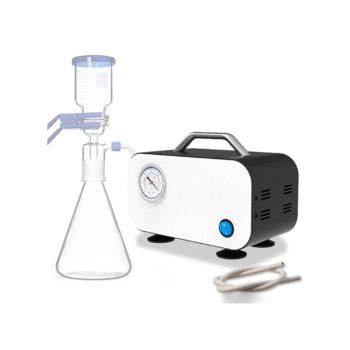
A vacuum pump with filtration is a system used primarily in laboratories to remove air and create a vacuum for filtration processes. It helps in speeding up filtration by reducing pressure, allowing liquid to pass quickly through a filter paper.
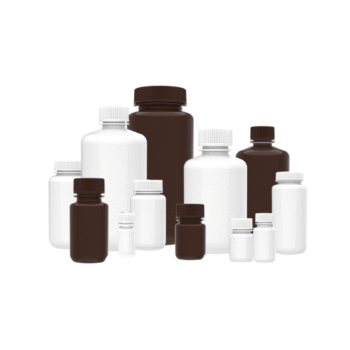
Polypropylene reagent bottles are durable, chemical-resistant containers commonly used in laboratories for storing and dispensing liquid or powdered chemicals. Made from high-quality polypropylene plastic, these bottles offer excellent resistance to a wide range of acids, bases, and solvents, making them ideal for both general-purpose and specialized chemical storage.
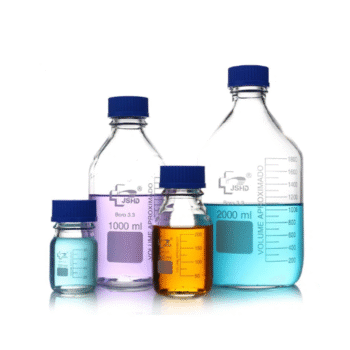
Reagent bottles, also known as chemical bottles or laboratory bottles, are specialized containers used to store chemicals, reagents, and other laboratory substances. They are designed to ensure safe handling, accurate identification, and proper storage of a wide variety of chemical compounds.


Reviews
There are no reviews yet.