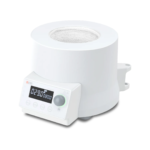
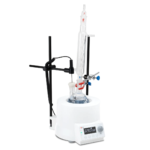
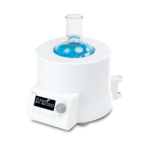
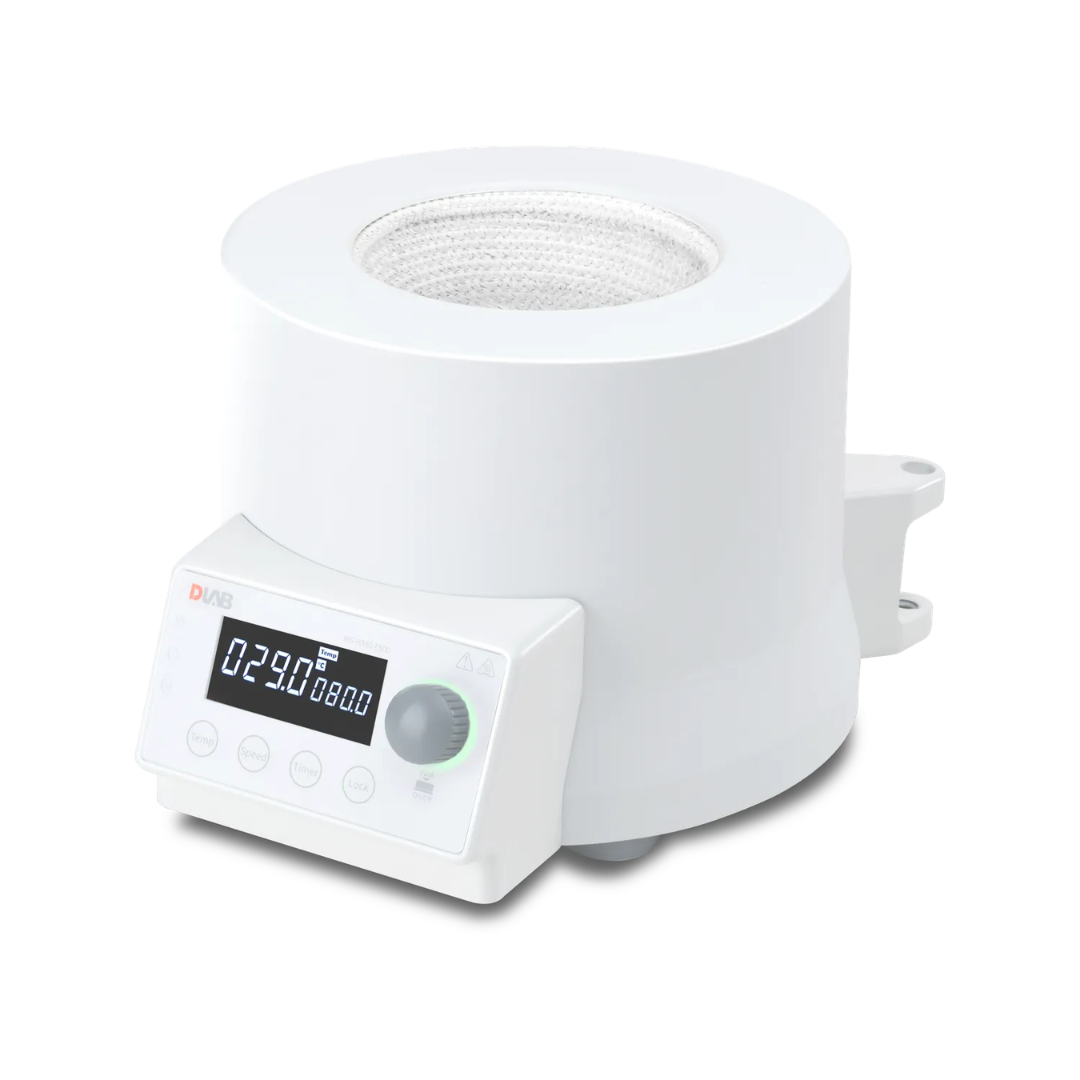
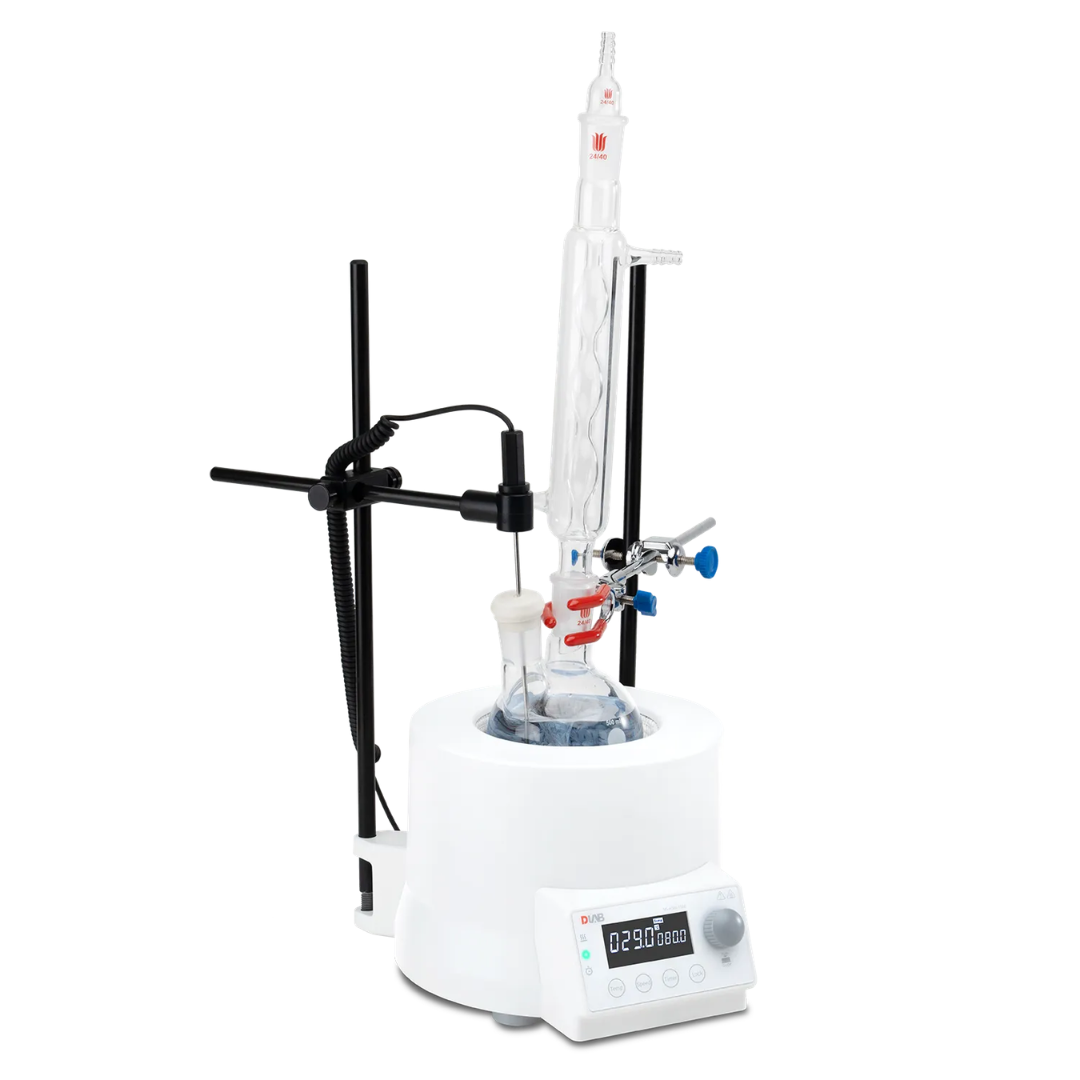
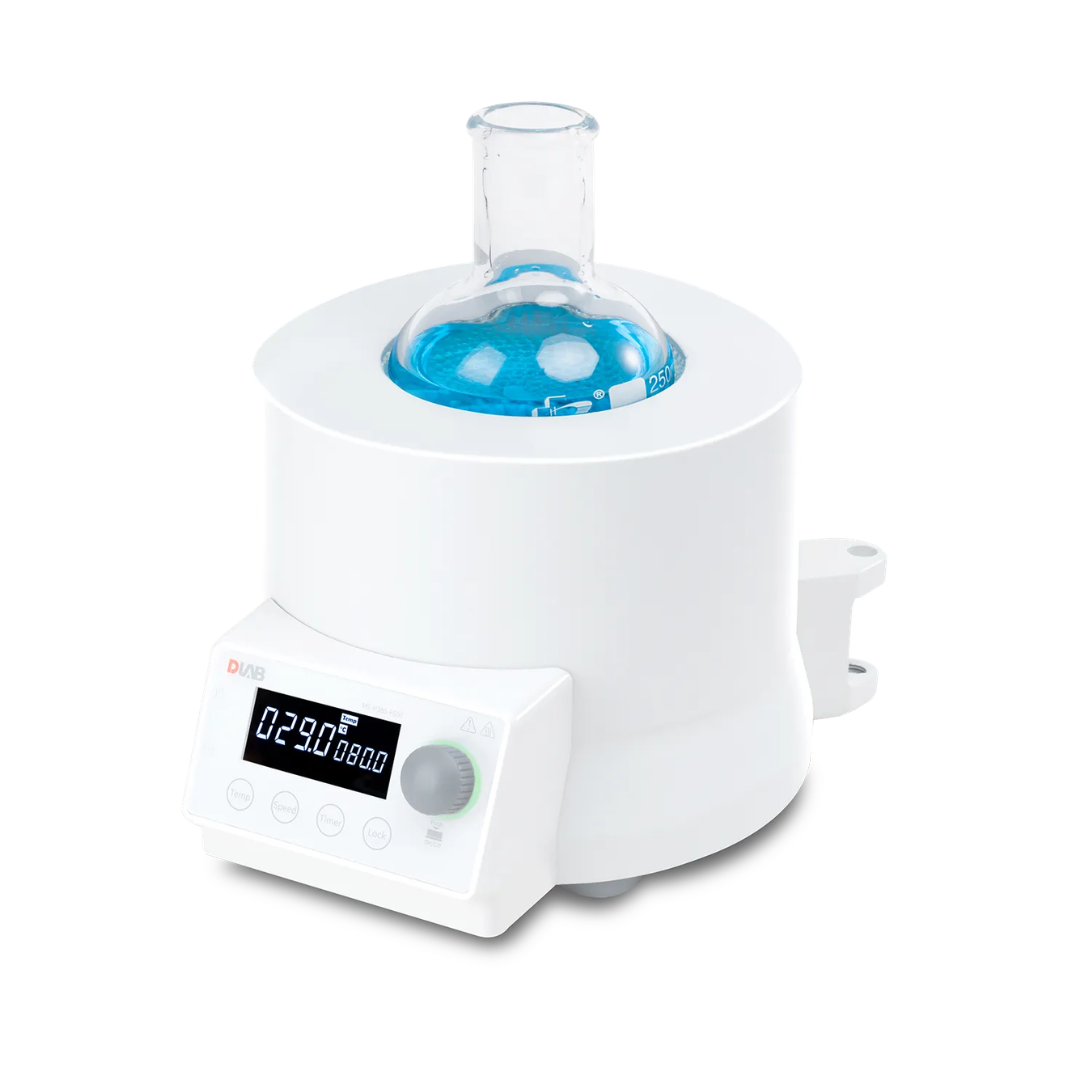
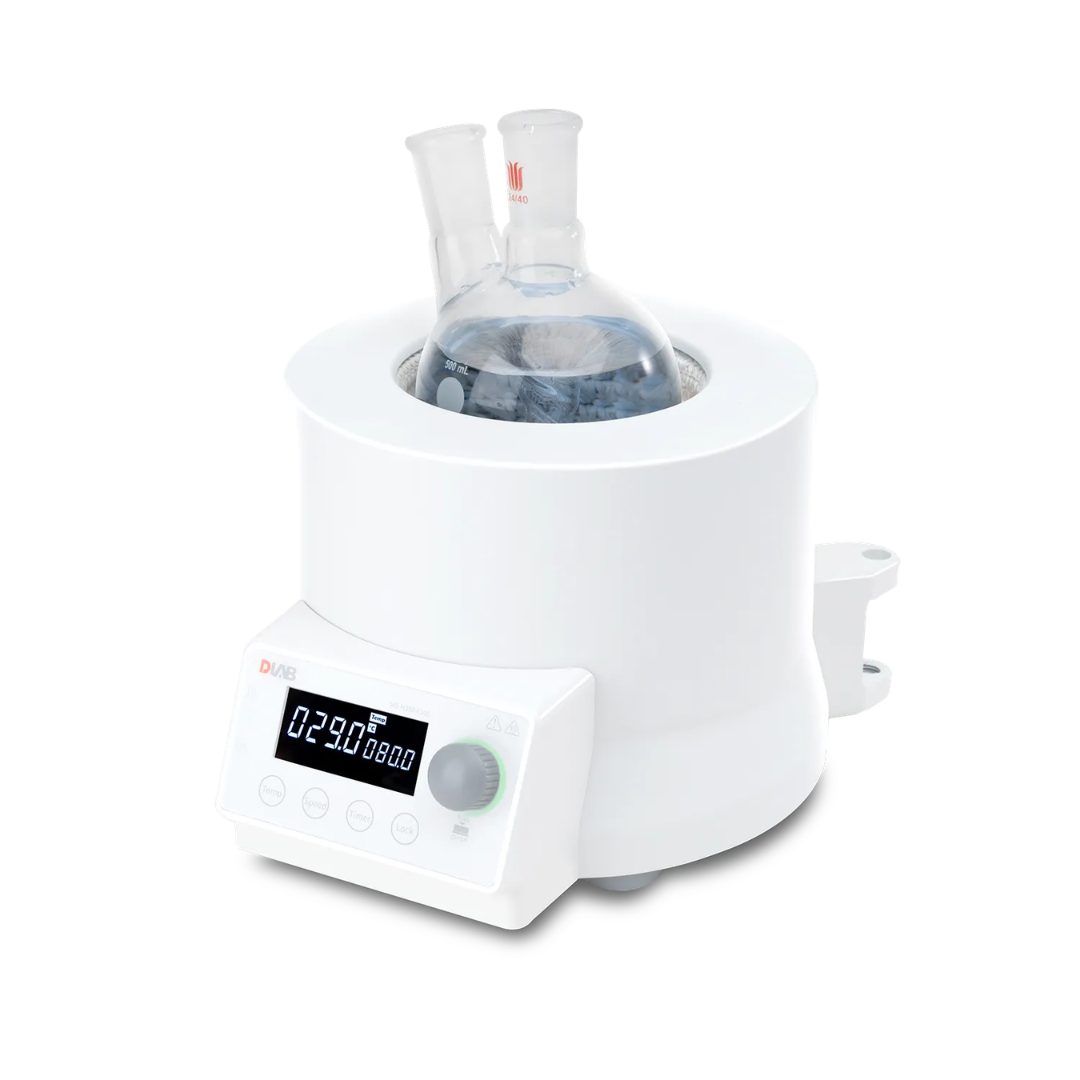
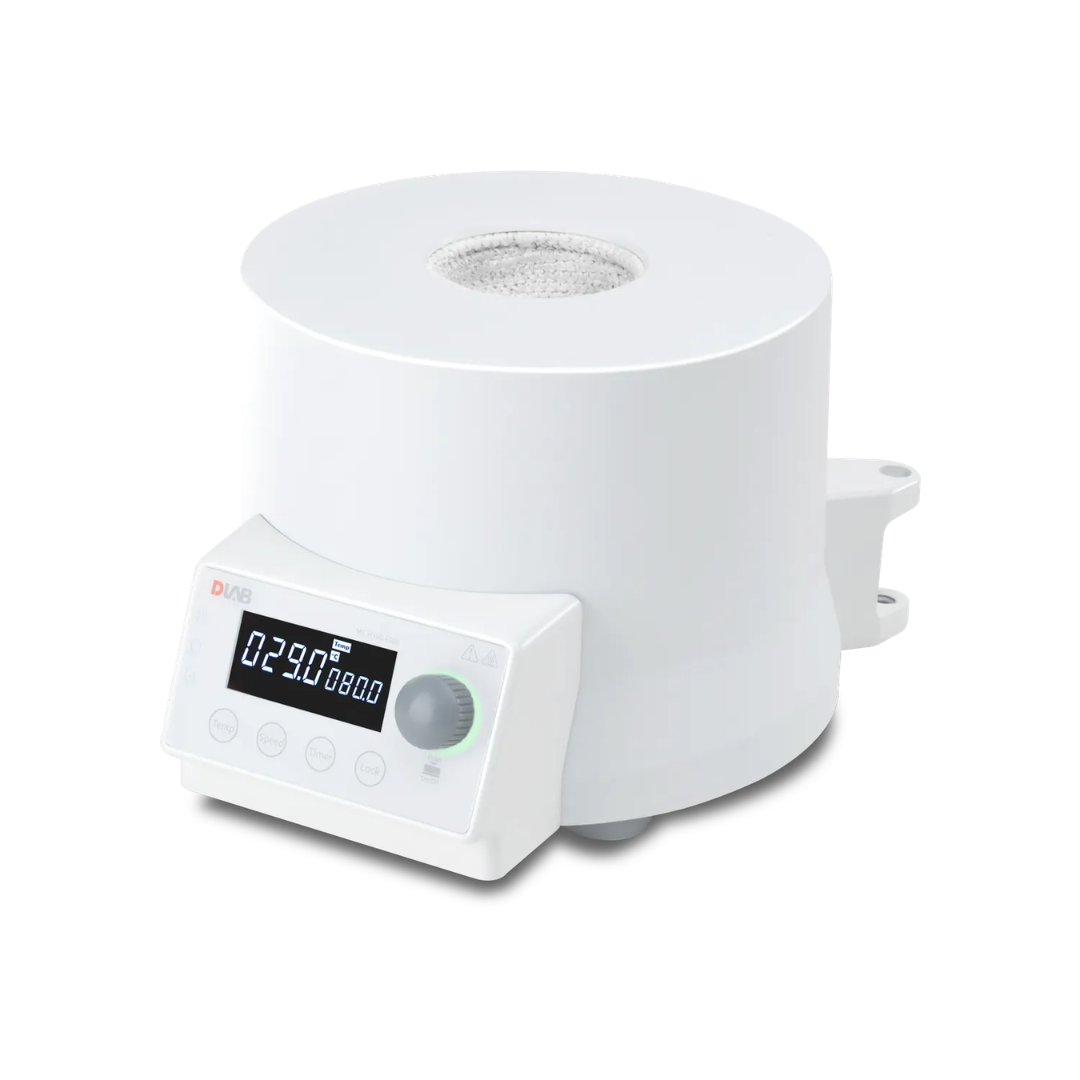
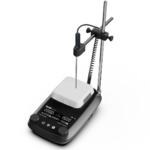
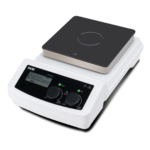
MS-H380-F100/250/500/1000/2000 LCD Digital Magnetic Stirrer Heating Mantle
The MS-H380-F100/250/500/1000/2000 LCD Digital Magnetic Stirrer Heating Mantle is a versatile heating and stirring device designed for precise temperature control and efficient mixing of laboratory samples. Available in multiple flask sizes, it provides safe, uniform heating for various research applications.
- Size Guide
Size Guide
DRESSEST-SHIRTBOTTOMSDRESSESSize Chest Waist Hips XS 34 28 34 S 36 30 36 M 38 32 38 L 40 34 40 XL 42 36 42 2XL 44 38 44 All measurements are in INCHES
and may vary a half inch in either direction.
T-SHIRTSize Chest Waist Hips 2XS 32 26 32 XS 34 28 34 S 36 30 36 M 38 32 38 L 40 34 40 XL 42 36 42 All measurements are in INCHES
and may vary a half inch in either direction.
BOTTOMSSize Chest Waist Hips XS 34 28 34 S 36 30 36 M 38 32 38 L 40 34 40 XL 42 36 42 2XL 44 38 44 All measurements are in INCHES
and may vary a half inch in either direction.
- Delivery & Return
Delivery
Store delivery FREE
1-3 working days
Home or collection point from £35.00 FREE
On all your orders for home or collection point delivery
Returns
Return
We will accept exchanges and returns of unworn and unwashed garments within 30 days of the date of purchase (14 days during the sales period).
Returns in store FREE
Your return will usually be processed within a week to a week and a half. We’ll send you a Return Notification email to notify you once the return has been completed. Please allow 1-3 business days for refunds to be received to the original form of payment once the return has been processed.
- Ask a Question
The MS-H380-F100/250/500/1000/2000 LCD Digital Magnetic Stirrer Heating Mantle combines accurate heating and stable stirring performance with a durable corrosion-resistant design. Featuring LCD control, brushless DC motor, dual safety protection, PT1000 temperature sensing, timer function, and RS232 connectivity, it ensures reliable and safe operation. Suitable for organic synthesis, polymerization, distillation, sample preparation, extraction, and analytical research in chemical, pharmaceutical, biological, food, and environmental laboratories.
| 5 |
|
0 |
| 4 |
|
0 |
| 3 |
|
0 |
| 2 |
|
0 |
| 1 |
|
0 |
- Bio-Technology consumables & equipment
- Petroleum & Oil testing equipment
- Laboratory Equipments
- Educational Scientific Products
- Hygeine Monitoring
- Industrial Chemicals
- Laboratory Chemicals
- Laboratory Consumables
- Laboratory Furniture
- Laundry & Cleaning Chemicals
- Medical Disposables & Devices
- PPE
- Safety Products For Labs
- Water Quality Testing Products
Related Products
An Ice Flake Machine is a device used to produce soft, dry flakes of ice, commonly used in laboratories, hospitals, food industries, and fisheries. The flake ice is ideal for sample preservation, temperature control, and cooling sensitive materials. These machines operate efficiently, providing continuous ice supply and are valued for their quick freezing, low maintenance, and energy efficiency.
A laboratory oven is used for drying, sterilizing, and heating samples at controlled temperatures, typically ranging from 50°C to 300°C. It operates using convection to ensure uniform heat distribution. Common applications include removing moisture, curing materials, and conducting thermal testing in biological, chemical, and industrial labs.
An incubator is a laboratory device used to maintain a controlled environment with specific temperature, humidity, and sometimes COâ‚‚ levels. It is essential for the growth of microorganisms, cell cultures, and eggs in biological and medical research. Incubators ensure stable conditions for experiments requiring consistent incubation over a set period.
A fat analyzer is a laboratory instrument used to determine the fat content in food and feed samples. It typically operates using solvent extraction methods like Soxhlet or automated systems. The analyzer extracts fat from the sample, then measures and calculates the percentage of fat present. It’s essential in quality control, nutrition labeling, and food research.
GC-MS (Gas Chromatography–Mass Spectrometry) is an analytical technique used to separate and identify chemical substances in a sample. It combines Gas Chromatography (GC) for separating components based on volatility and Mass Spectrometry (MS) for identifying them based on their mass-to-charge ratio. GC-MS is widely used in forensics, environmental testing, drug detection, food analysis, and research due to its high sensitivity and accuracy in detecting trace-level compounds.
A UV-Vis Spectrophotometer is an analytical instrument used to measure the absorbance or transmittance of a sample in the ultraviolet (UV) and visible (Vis) light spectrum (typically 190–800 nm). It is widely used to determine the concentration of substances in solution based on Beer-Lambert’s Law.
A Thermal Gravimetric Instrument (TGA) measures changes in a material’s weight as it is heated, cooled, or held at a constant temperature. It helps determine thermal stability, composition, and decomposition temperatures. TGA is widely used in material science, polymers, and pharmaceuticals for quality control and research applications.
A COD digestion unit is a laboratory device used to measure the Chemical Oxygen Demand (COD) of water or wastewater. It heats samples with a strong oxidizing agent (usually potassium dichromate in sulfuric acid) at 150°C for two hours. This process oxidizes organic matter, indicating pollution levels. It’s essential for water quality analysis in environmental monitoring.
Double-door/pass-through autoclaves of the performance category HX can be used for all laboratory applications, even for sophisticated sterilization processes and are available in 13 different sizes with 90 to 1580 liters chamber volume. The combination of new features guarantees higher work precision, easier maintenance of devices, shorter and more efficient process times. All additional optional accessories can be fitted to obtain validatable processes. For use under the most stringent clean room and safety conditions: For biological safety laboratories, e.g. fitting as a sterilization and pass-through lock for protecting the external environment, for clean rooms in laboratories and production facilities as a sterilization and pass-through lock separating sterile and non-sterile areas.
A rotary evaporator (or rotavap) is a laboratory device used to remove solvents from samples through evaporation under reduced pressure. It works by rotating a flask containing the solution, while gently heating it and applying a vacuum, allowing the solvent to evaporate at a lower temperature. It is widely used in chemistry, pharmaceuticals, and food research for concentration, purification, and solvent recovery.
A milk analyzer is a device used to quickly test the quality and composition of milk. It measures key parameters such as fat content, SNF (solids-not-fat), density, added water, protein, and lactose. Widely used in dairies, milk collection centers, and labs, it ensures fair pricing and quality control. Results are fast, accurate, and essential for dairy operations.


Reviews
There are no reviews yet.