


ICE FLAKE MACHINE
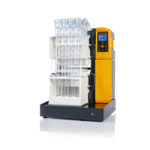

An Ice Flake Machine is a device used to produce soft, dry flakes of ice, commonly used in laboratories, hospitals, food industries, and fisheries. The flake ice is ideal for sample preservation, temperature control, and cooling sensitive materials. These machines operate efficiently, providing continuous ice supply and are valued for their quick freezing, low maintenance, and energy efficiency.
Related Products

A rotary evaporator (or rotavap) is a laboratory device used to remove solvents from samples through evaporation under reduced pressure. It works by rotating a flask containing the solution, while gently heating it and applying a vacuum, allowing the solvent to evaporate at a lower temperature. It is widely used in chemistry, pharmaceuticals, and food research for concentration, purification, and solvent recovery.

An oil distillation kit is a laboratory setup used to extract and purify essential oils or separate oil mixtures based on their boiling points through the process of distillation.

The Kjeldahl apparatus is used to determine the nitrogen content in organic compounds, which helps estimate protein levels in food, feed, and other samples. The process involves digestion, distillation, and titration. In digestion, nitrogen is converted to ammonium sulfate; during distillation, ammonia is released and captured; titration quantifies nitrogen. It’s widely used in agriculture, food, and environmental labs.

An HPLC column (High-Performance Liquid Chromatography column) is a crucial component of an HPLC system used to separate, identify, and quantify components in a liquid sample.

A laboratory freezer is a specialized unit used to store biological samples, chemicals, reagents, and vaccines at low temperatures, typically ranging from –20°C to –80°C. It ensures sample stability and prevents degradation. Laboratory freezers are essential in research, clinical, and pharmaceutical settings for long-term preservation and safety.

A GC-MS column is a vital part of a Gas Chromatography-Mass Spectrometry (GC-MS) system, used to separate and analyze volatile and semi-volatile compounds in a sample.

A Flash Point Tester is an instrument used to determine the flash point of a liquid—the lowest temperature at which it emits enough vapor to ignite in air when exposed to an ignition source. This property is critical for assessing the flammability and fire hazard of fuels, solvents, oils, and other chemicals.

A corrosion tester is a device or system used to evaluate the resistance of materials—especially metals and coatings—to corrosion under specific environmental conditions. These tests simulate harsh conditions such as salt spray (fog), humidity, temperature changes, or chemical exposure to predict how materials will perform over time.
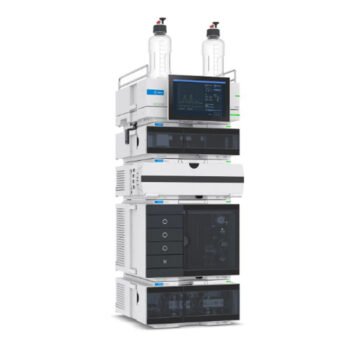
Agilent HPLC (High-Performance Liquid Chromatography) systems are advanced analytical instruments used for separating, identifying, and quantifying compounds in a mixture. Manufactured by Agilent Technologies, these systems are widely used in pharmaceuticals, environmental testing, food safety, and chemical research. Agilent HPLCs are known for their high precision, reliability, and user-friendly software (such as OpenLab or ChemStation). Common models include the Agilent 1100, 1200, and 1260 Infinity series.

An incubator is a laboratory device used to maintain a controlled environment with specific temperature, humidity, and sometimes CO₂ levels. It is essential for the growth of microorganisms, cell cultures, and eggs in biological and medical research. Incubators ensure stable conditions for experiments requiring consistent incubation over a set period.

A fiber analyzer is a laboratory instrument used to determine the fiber content in food, feed, or plant materials. It measures components like crude fiber, neutral detergent fiber (NDF), and acid detergent fiber (ADF). The analyzer automates digestion, rinsing, and filtration processes, ensuring accurate and efficient analysis of dietary fiber for nutritional and agricultural studies.

A fat analyzer is a laboratory instrument used to determine the fat content in food and feed samples. It typically operates using solvent extraction methods like Soxhlet or automated systems. The analyzer extracts fat from the sample, then measures and calculates the percentage of fat present. It’s essential in quality control, nutrition labeling, and food research.


Reviews
There are no reviews yet.