
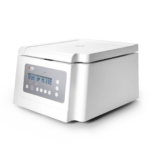
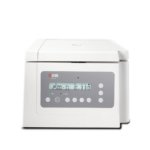
DM0424 Low Speed Centrifuge
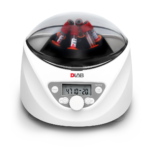
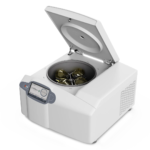
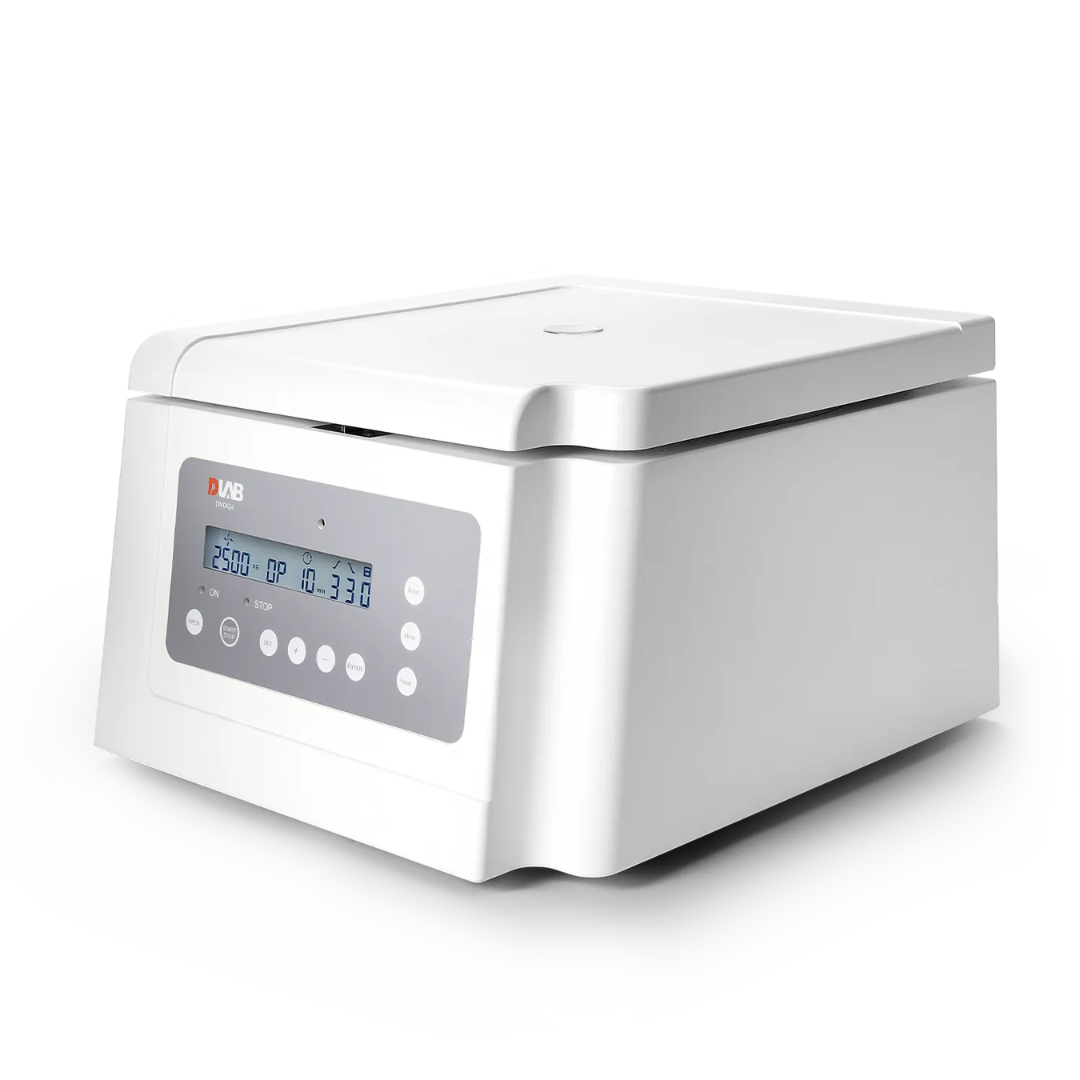
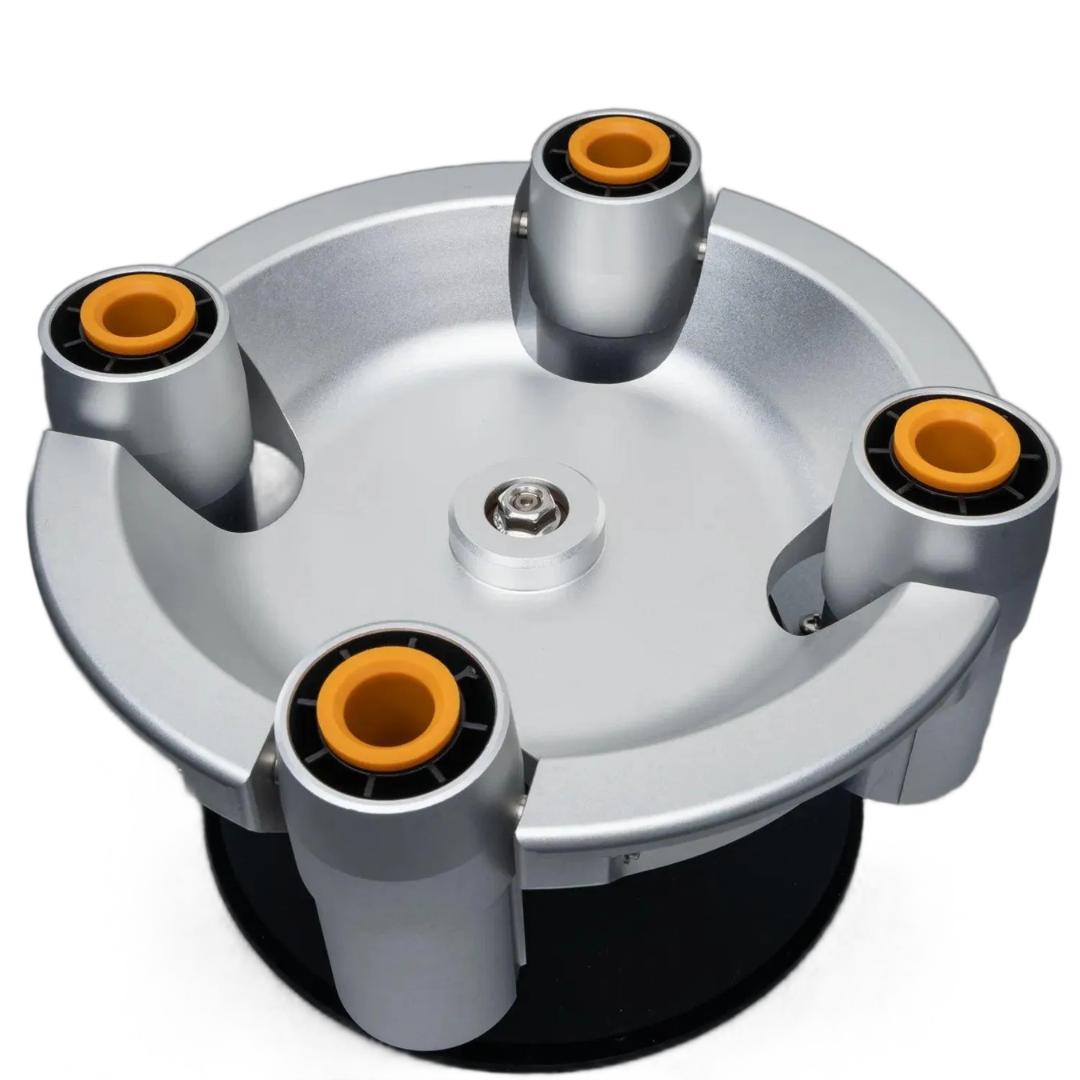
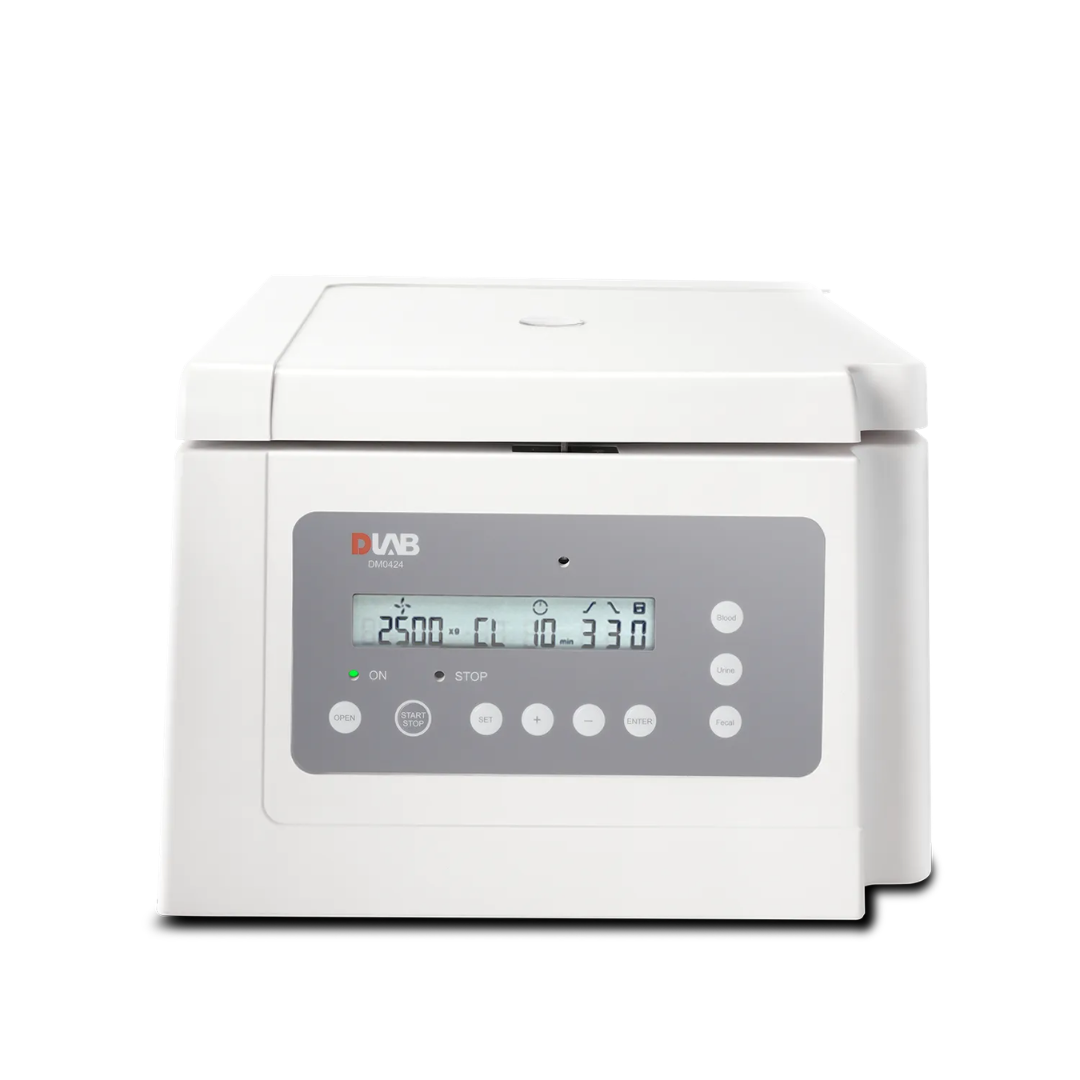
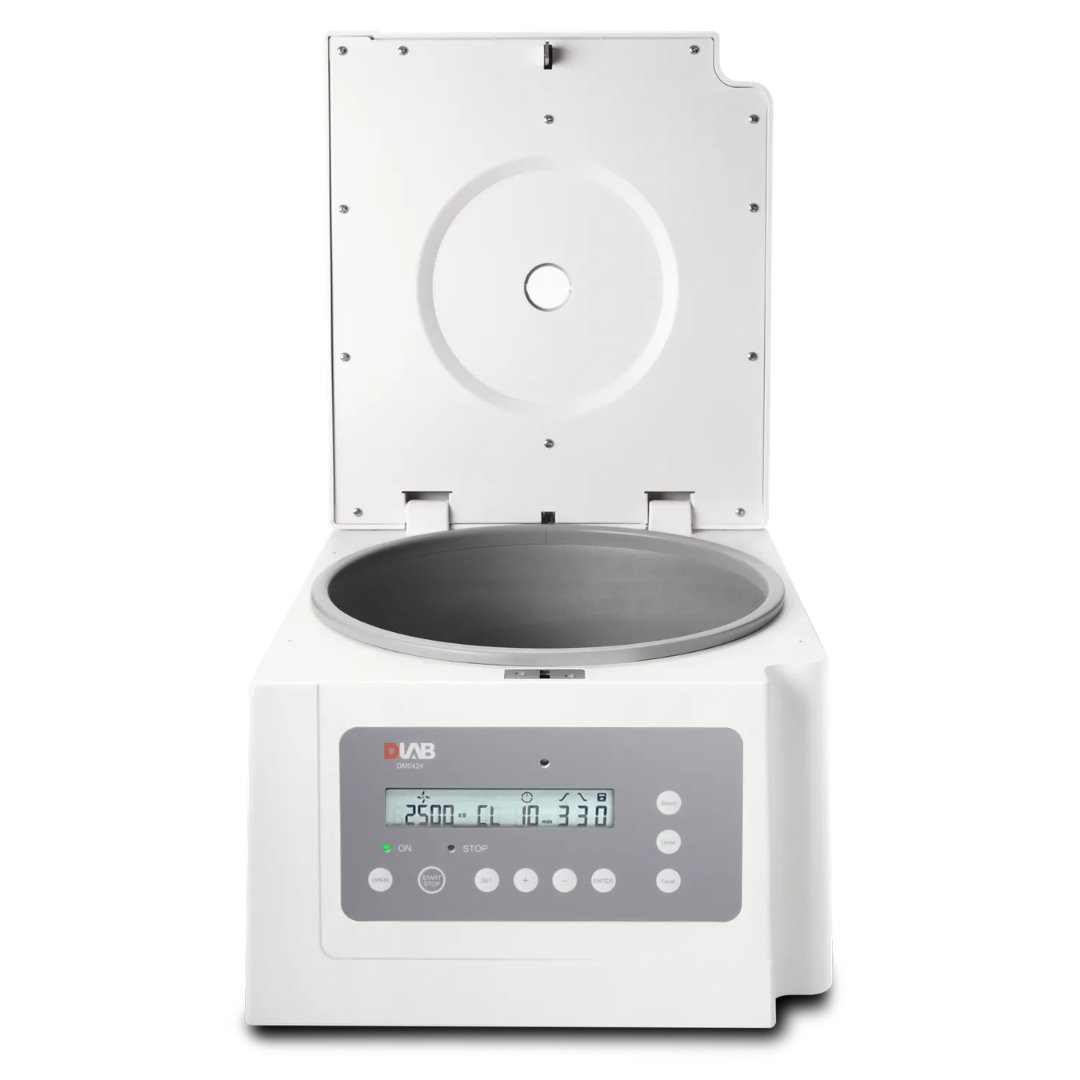
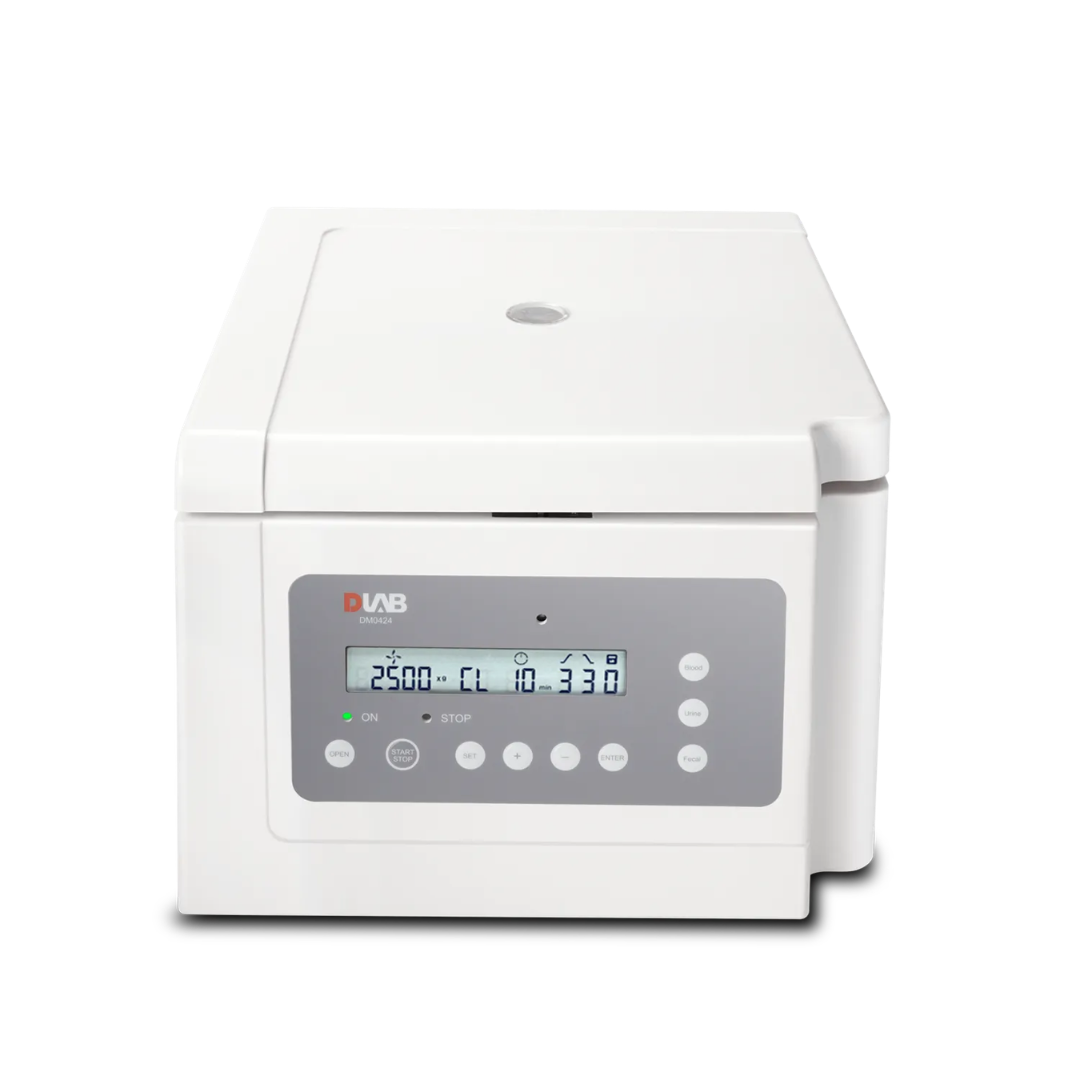
DM0424 Low Speed Centrifuge is a compact and reliable laboratory centrifuge designed for routine clinical sample processing. Featuring a maximum speed of 4,000 rpm, an LCD display, customizable programs, and quiet operation, it is ideal for hospitals, diagnostic laboratories, and research facilities.
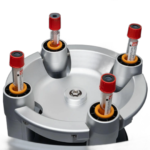
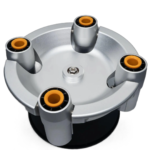
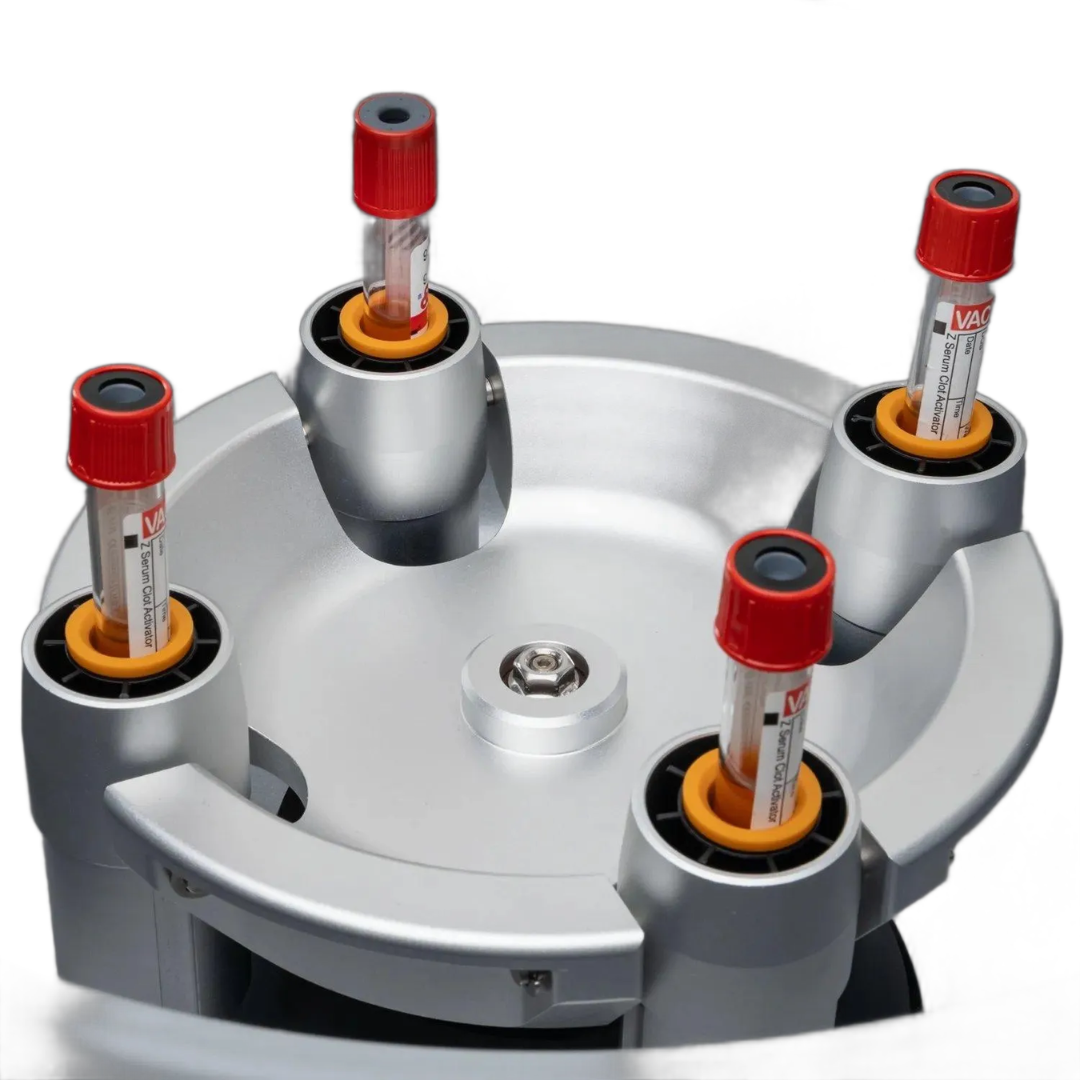
The DM0424 Low Speed Centrifuge provides efficient and reliable separation of serum, plasma, whole blood, and urine samples. It features a user-friendly LCD display, programmable settings, multiple acceleration and deceleration levels, and a maintenance-free brushless DC motor for smooth, quiet operation. Compatible with a variety of blood collection and centrifuge tubes, it is well suited for clinical diagnostics, biochemical analysis, medical research, and routine laboratory applications.
Related Products

A milk analyzer is a device used to quickly test the quality and composition of milk. It measures key parameters such as fat content, SNF (solids-not-fat), density, added water, protein, and lactose. Widely used in dairies, milk collection centers, and labs, it ensures fair pricing and quality control. Results are fast, accurate, and essential for dairy operations.

A corrosion tester is a device or system used to evaluate the resistance of materials—especially metals and coatings—to corrosion under specific environmental conditions. These tests simulate harsh conditions such as salt spray (fog), humidity, temperature changes, or chemical exposure to predict how materials will perform over time.

A laboratory freezer is a specialized unit used to store biological samples, chemicals, reagents, and vaccines at low temperatures, typically ranging from –20°C to –80°C. It ensures sample stability and prevents degradation. Laboratory freezers are essential in research, clinical, and pharmaceutical settings for long-term preservation and safety.

Hydrotherm boilers are high-efficiency heating systems used in residential and commercial buildings. They operate using hot water or steam and are typically gas-fired. Known for their durability and modular design, Hydrotherm boilers offer reliable and energy-efficient performance. Regular maintenance ensures long service life and optimal heating efficiency.

A UV-Vis Spectrophotometer is an analytical instrument used to measure the absorbance or transmittance of a sample in the ultraviolet (UV) and visible (Vis) light spectrum (typically 190–800 nm). It is widely used to determine the concentration of substances in solution based on Beer-Lambert’s Law.
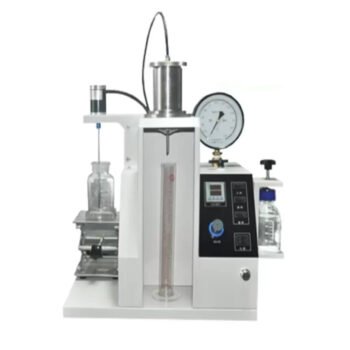
A Lube Oil Tester is a device used to check the condition and quality of lubricating oil in engines and machines. It helps detect issues like contamination, wear metals, water content, and viscosity changes, ensuring proper lubrication and preventing equipment damage. Regular oil testing helps extend machinery life and reduce maintenance costs.

A rotary evaporator (or rotavap) is a laboratory device used to remove solvents from samples through evaporation under reduced pressure. It works by rotating a flask containing the solution, while gently heating it and applying a vacuum, allowing the solvent to evaporate at a lower temperature. It is widely used in chemistry, pharmaceuticals, and food research for concentration, purification, and solvent recovery.

An incubator is a laboratory device used to maintain a controlled environment with specific temperature, humidity, and sometimes CO₂ levels. It is essential for the growth of microorganisms, cell cultures, and eggs in biological and medical research. Incubators ensure stable conditions for experiments requiring consistent incubation over a set period.

A laboratory chiller is a cooling device used to maintain a constant low temperature for laboratory instruments or processes. It works by circulating chilled fluid (like water or glycol) through equipment such as rotary evaporators, condensers, lasers, or reactors to dissipate heat.

FTIR (Fourier Transform Infrared Spectroscopy) is an analytical technique used to identify organic, polymeric, and some inorganic materials. It works by measuring how a sample absorbs infrared (IR) light at different wavelengths. The resulting spectrum represents the molecular fingerprint of the material, showing characteristic peaks corresponding to specific chemical bonds.

A laboratory oven is used for drying, sterilizing, and heating samples at controlled temperatures, typically ranging from 50°C to 300°C. It operates using convection to ensure uniform heat distribution. Common applications include removing moisture, curing materials, and conducting thermal testing in biological, chemical, and industrial labs.
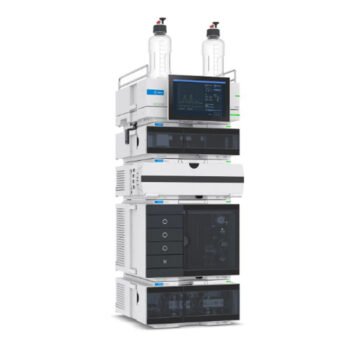
Agilent HPLC (High-Performance Liquid Chromatography) systems are advanced analytical instruments used for separating, identifying, and quantifying compounds in a mixture. Manufactured by Agilent Technologies, these systems are widely used in pharmaceuticals, environmental testing, food safety, and chemical research. Agilent HPLCs are known for their high precision, reliability, and user-friendly software (such as OpenLab or ChemStation). Common models include the Agilent 1100, 1200, and 1260 Infinity series.


Reviews
There are no reviews yet.