
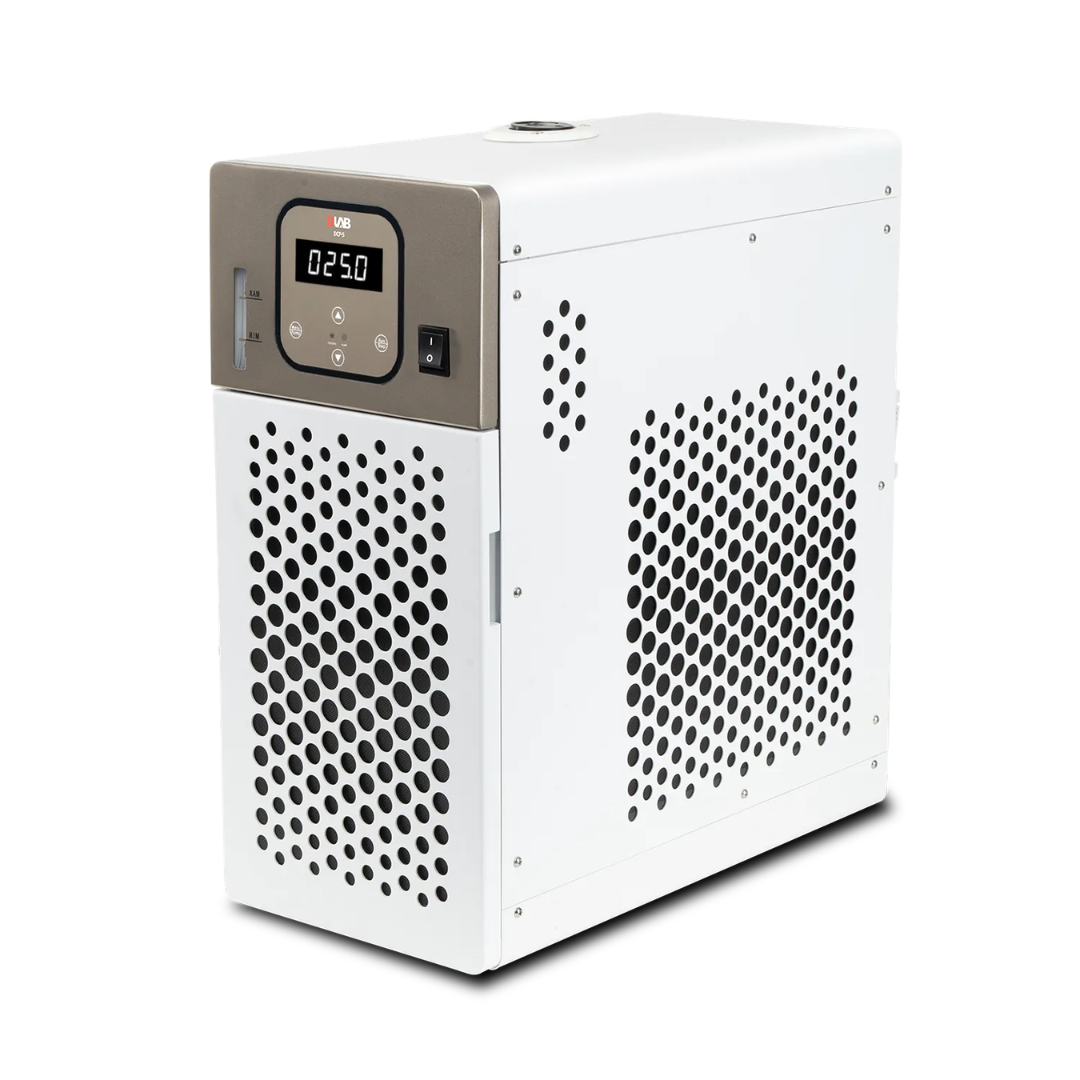
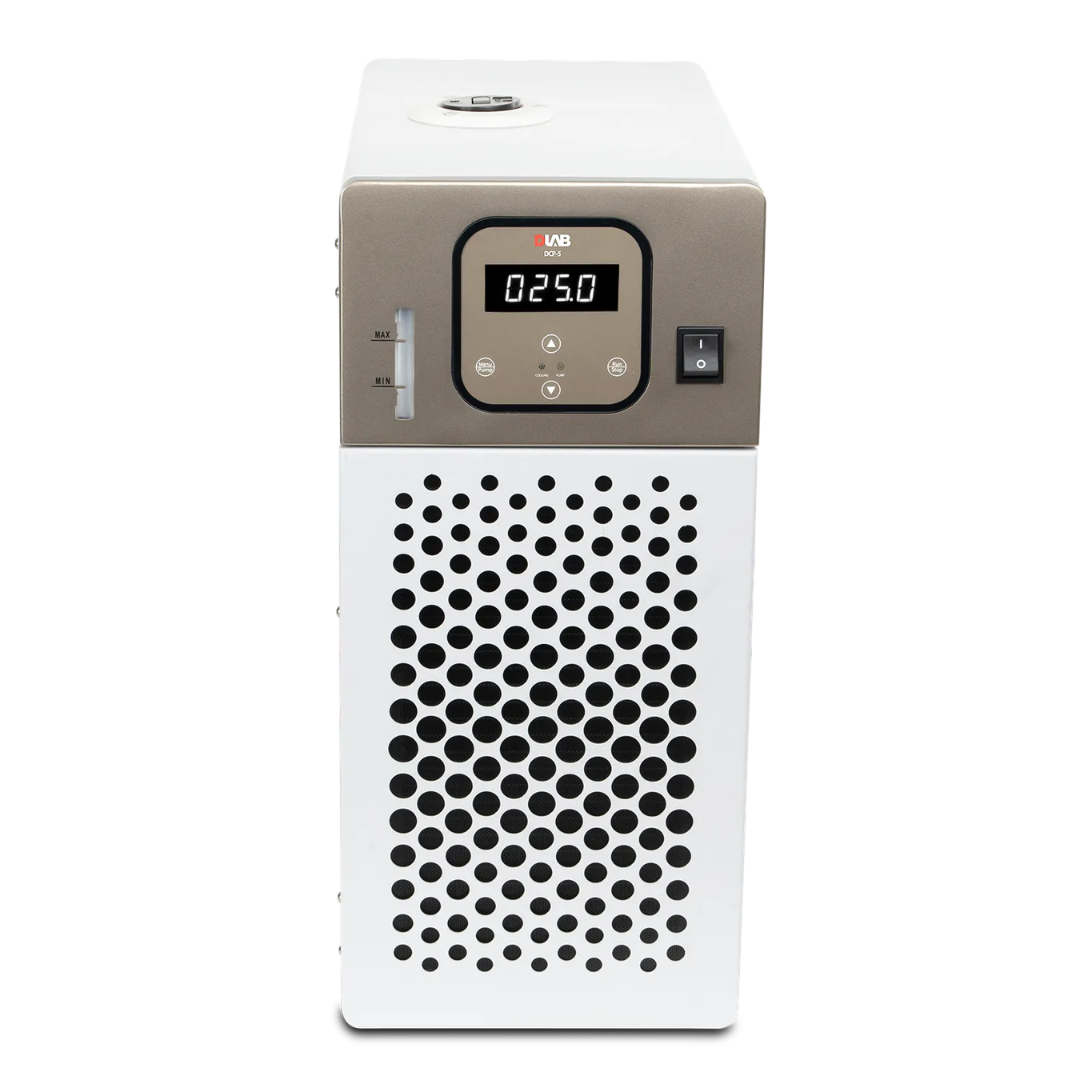
DCP-5 Low-Temperature Cooling Circulator
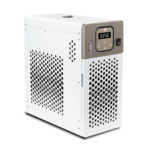
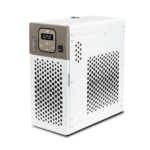
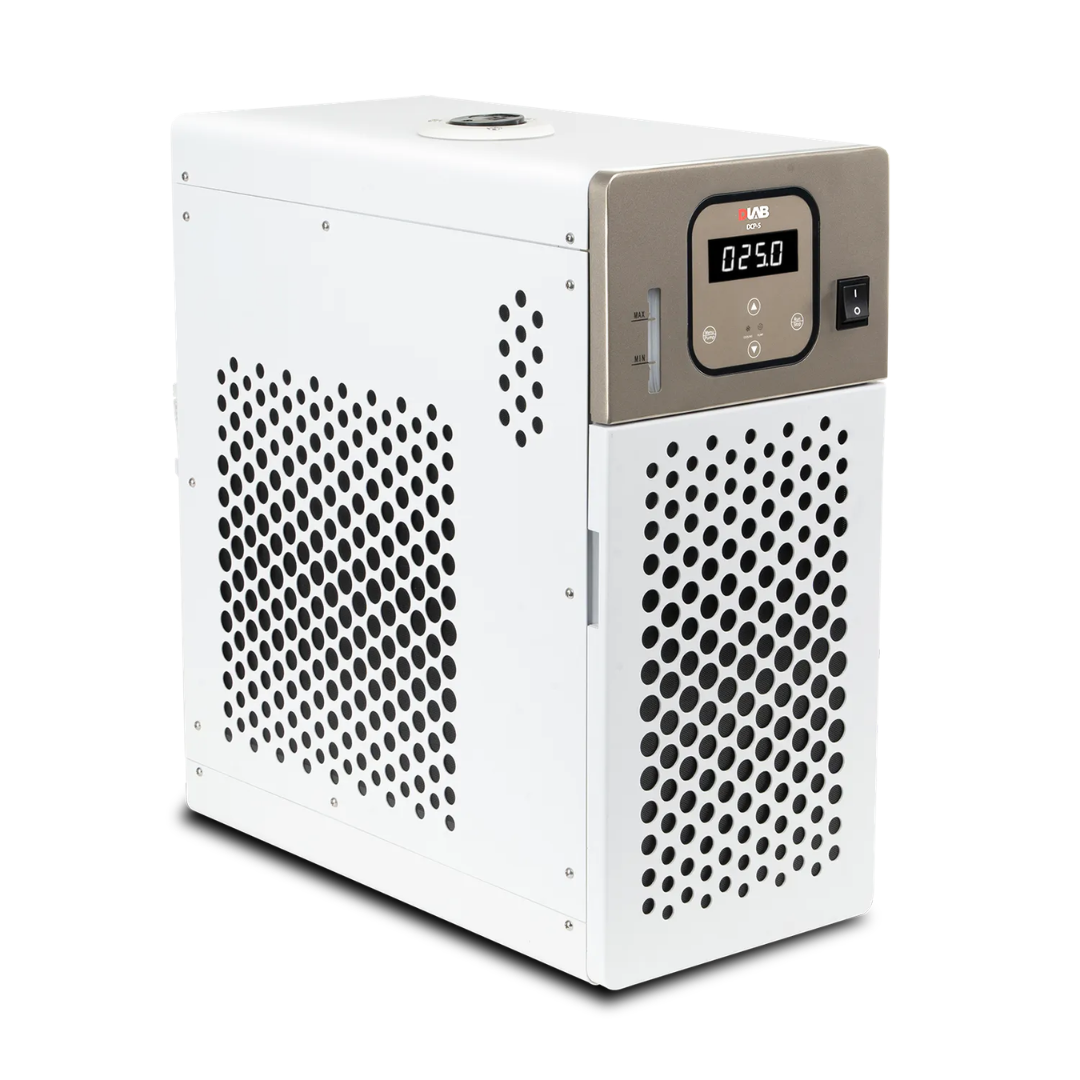
DCP-5 Low-Temperature Cooling Circulator is a compact and energy-efficient cooling circulator designed to provide precise and stable temperature control for laboratory and industrial applications. Featuring PID temperature control, low-noise operation, and reliable coolant circulation, it is ideal for equipment requiring consistent low-temperature cooling.
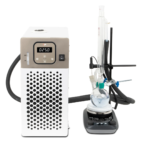
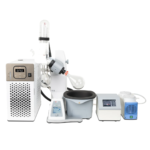
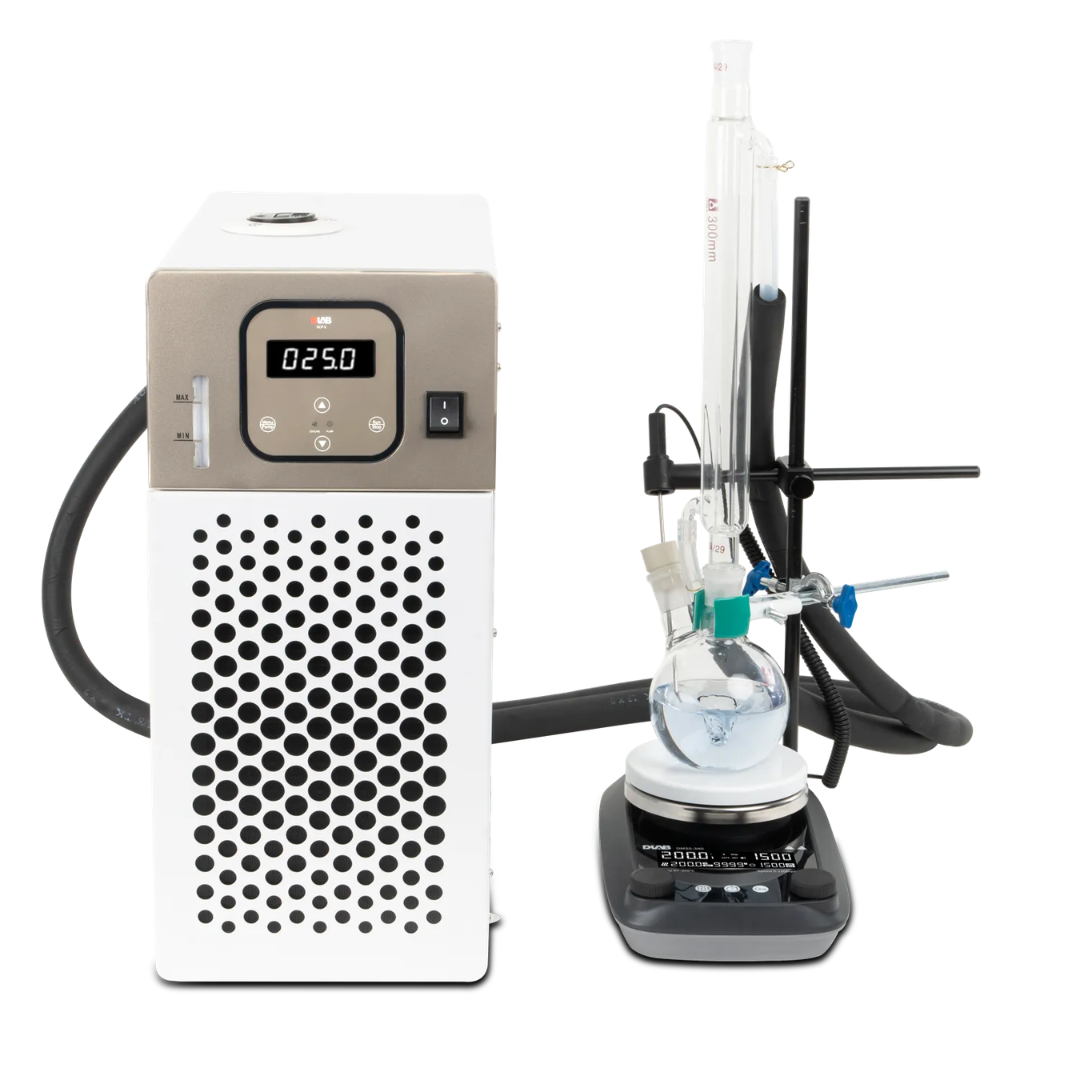
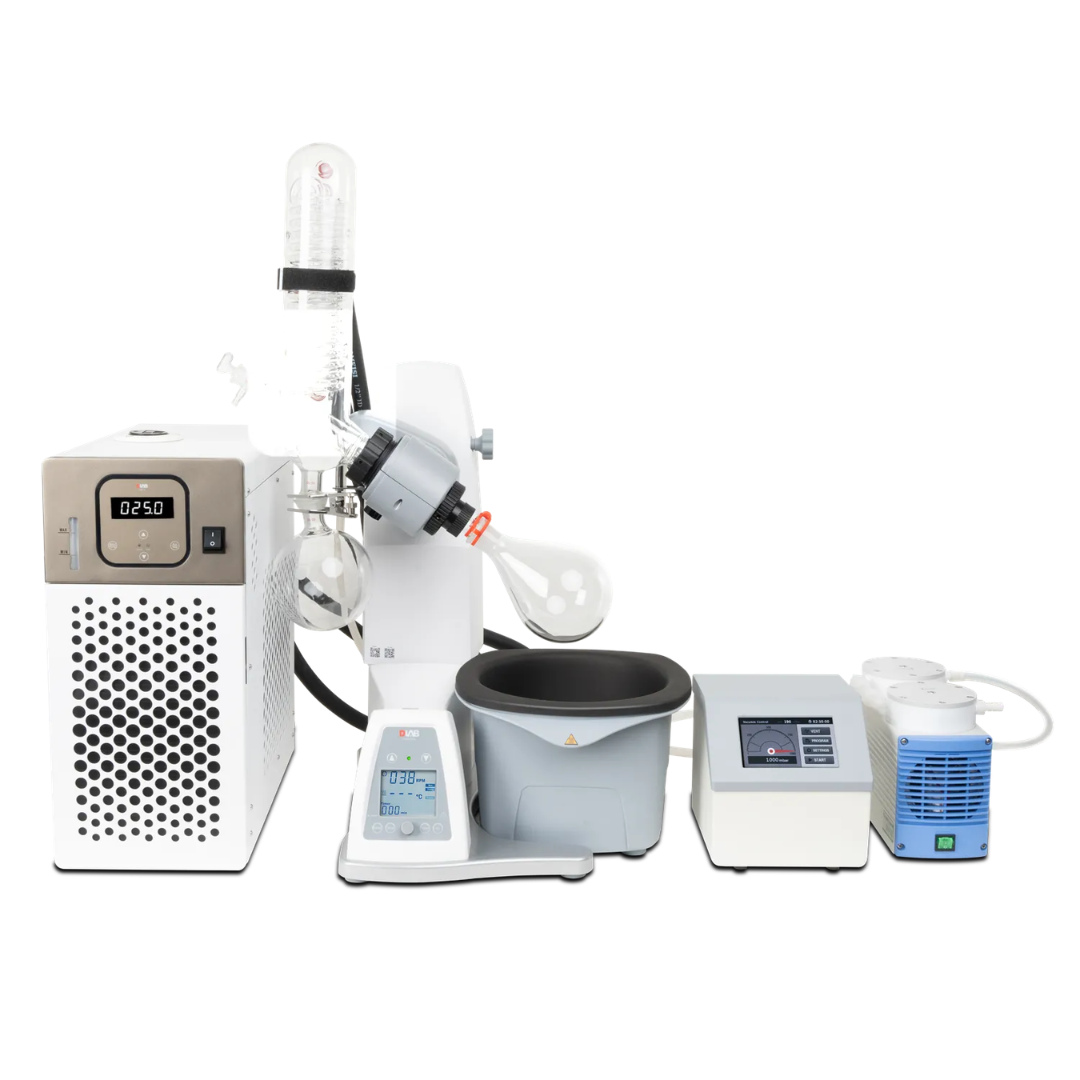
The DCP-5 Low-Temperature Cooling Circulator delivers accurate and reliable low-temperature circulation with advanced PID control, rapid cooling response, and a high-performance pump for uniform temperature stability. Its compact design, LED display, energy-efficient operation, and multiple safety features ensure convenient and dependable performance. Ideal for rotary evaporators, reaction systems, spectrometers, and other laboratory equipment, it is widely used in pharmaceutical, biotechnology, chemical, semiconductor, food processing, and research laboratories.
Related Products

The Kjeldahl apparatus is used to determine the nitrogen content in organic compounds, which helps estimate protein levels in food, feed, and other samples. The process involves digestion, distillation, and titration. In digestion, nitrogen is converted to ammonium sulfate; during distillation, ammonia is released and captured; titration quantifies nitrogen. It’s widely used in agriculture, food, and environmental labs.

A laboratory chiller is a cooling device used to maintain a constant low temperature for laboratory instruments or processes. It works by circulating chilled fluid (like water or glycol) through equipment such as rotary evaporators, condensers, lasers, or reactors to dissipate heat.

A Thermal Gravimetric Instrument (TGA) measures changes in a material’s weight as it is heated, cooled, or held at a constant temperature. It helps determine thermal stability, composition, and decomposition temperatures. TGA is widely used in material science, polymers, and pharmaceuticals for quality control and research applications.
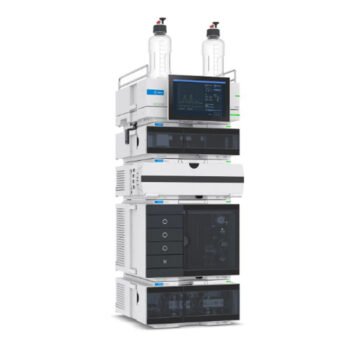
Agilent HPLC (High-Performance Liquid Chromatography) systems are advanced analytical instruments used for separating, identifying, and quantifying compounds in a mixture. Manufactured by Agilent Technologies, these systems are widely used in pharmaceuticals, environmental testing, food safety, and chemical research. Agilent HPLCs are known for their high precision, reliability, and user-friendly software (such as OpenLab or ChemStation). Common models include the Agilent 1100, 1200, and 1260 Infinity series.

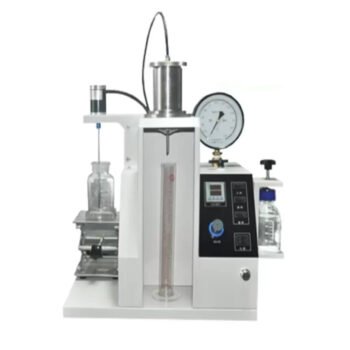
A Lube Oil Tester is a device used to check the condition and quality of lubricating oil in engines and machines. It helps detect issues like contamination, wear metals, water content, and viscosity changes, ensuring proper lubrication and preventing equipment damage. Regular oil testing helps extend machinery life and reduce maintenance costs.

An Ice Flake Machine is a device used to produce soft, dry flakes of ice, commonly used in laboratories, hospitals, food industries, and fisheries. The flake ice is ideal for sample preservation, temperature control, and cooling sensitive materials. These machines operate efficiently, providing continuous ice supply and are valued for their quick freezing, low maintenance, and energy efficiency.

A magnetic stirrer hot plate is a common laboratory device used to heat and stir liquids simultaneously. It consists of a flat heating surface and a rotating magnetic field that spins a magnetic stir bar placed inside the liquid.

A colorimeter is a device used to measure the concentration of colored compounds in a solution by detecting the amount of light absorbed. It works on Beer-Lambert’s law and is widely used in chemistry, biology, and environmental labs. Colorimeters help in water testing, food analysis, and clinical diagnostics for quick, accurate color-based measurements.

A Flash Point Tester is an instrument used to determine the flash point of a liquid—the lowest temperature at which it emits enough vapor to ignite in air when exposed to an ignition source. This property is critical for assessing the flammability and fire hazard of fuels, solvents, oils, and other chemicals.

A fiber analyzer is a laboratory instrument used to determine the fiber content in food, feed, or plant materials. It measures components like crude fiber, neutral detergent fiber (NDF), and acid detergent fiber (ADF). The analyzer automates digestion, rinsing, and filtration processes, ensuring accurate and efficient analysis of dietary fiber for nutritional and agricultural studies.

An oil distillation kit is a laboratory setup used to extract and purify essential oils or separate oil mixtures based on their boiling points through the process of distillation.


Reviews
There are no reviews yet.