
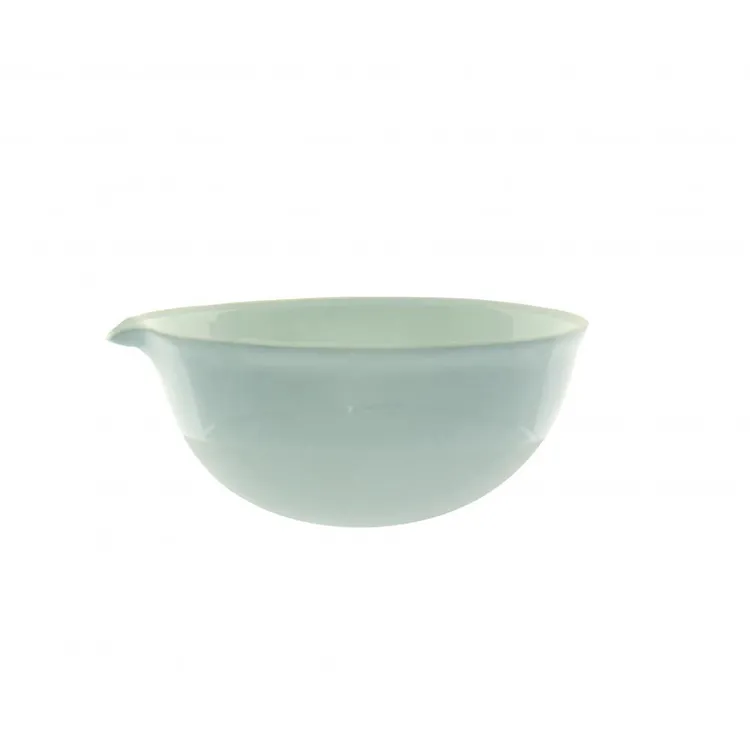
EVAPORATING DISH

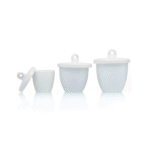
Made of top quality porcelain. Withstand temperatures up to 1150 C. Round form with lip. Glazed inside.
Related Products

The Le Chatelier Specific Gravity Bottle is a specialized glass apparatus used to determine the specific gravity (relative density) of fine materials like cement. It has a narrow neck with a graduated scale and a bulb at the bottom. The bottle accurately measures the volume displaced by a known weight of material, helping assess quality and consistency in construction materials.

Cell culture plate is a flat, sterile plastic or glass plate used in laboratories to grow and study cells under controlled conditions. It contains multiple wells (like 6, 12, 24, 96, or 384) where cells are cultured in nutrient media. These plates are essential in biological research, drug testing, and tissue engineering for observing cell behavior and responses.

A hydrometer is an instrument used to measure the specific gravity (relative density) of liquids. It consists of a sealed glass tube with a weighted bottom, allowing it to float upright. The level to which it sinks indicates the liquid’s density. Hydrometers are commonly used in brewing, winemaking, and battery testing.

Centrifuge tube is a cylindrical, conical-bottomed container used in laboratories to hold samples during centrifugation. Made of plastic or glass, it is designed to withstand high-speed spinning that separates components based on density. Centrifuge tubes come in various sizes (e.g., 1.5 mL, 15 mL, 50 mL) and often have screw caps or snap lids to prevent leakage during use.
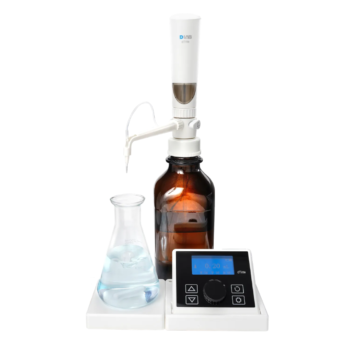
dTrite Electronic Burette is a high-precision electronic titration device designed for accurate and effortless liquid dispensing. Featuring electronic control, a built-in magnetic stirrer, and a large LCD display, it is ideal for laboratory titration and analytical applications.

A vacuum distillation glass set is a laboratory apparatus used to distill liquids at reduced pressure, allowing substances with high boiling points to vaporize at lower temperatures. This prevents thermal decomposition and is ideal for heat-sensitive compounds.

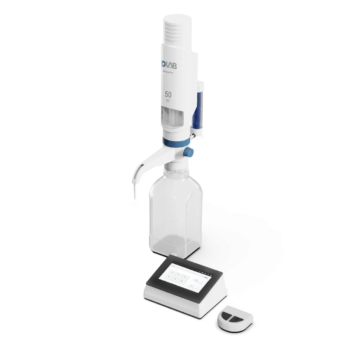
dFlow-Pro Electronic Bottle-Top Dispenser is a high-precision electronic dispenser designed for accurate, efficient, and safe liquid handling. With a smart touchscreen, multiple dispensing modes, and adjustable speed control, it is ideal for laboratory and industrial dispensing applications.

PCR tubes are small, thin-walled plastic tubes used in Polymerase Chain Reaction (PCR) to hold DNA samples during thermal cycling. Made of polypropylene, they ensure efficient heat transfer and chemical resistance. They typically come in 0.2 mL or 0.5 mL sizes, with flat or domed caps. PCR tubes are essential for precise and contamination-free DNA amplification.
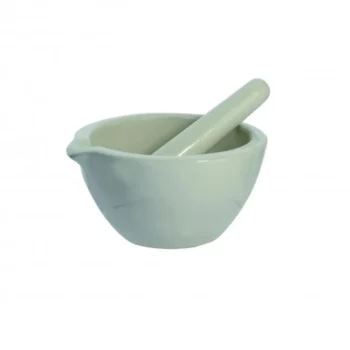
Porcelain mortar with pestle
Made of upper grade porcelain. Unglazed inside but fine polished. Price includes mortar and pestle.

A stand and clamp is a basic yet essential piece of laboratory equipment used to hold and support apparatus during experiments. It provides stability and helps secure glassware or other tools in place.

Beaker is a common laboratory container used for mixing, stirring, and heating chemicals. It is usually made of glass or plastic and has a cylindrical shape with a flat bottom and a small spout for easy pouring. Beakers come in various sizes and have volume markings, but they are not used for precise measurements.


Reviews
There are no reviews yet.