


PIPETTE TIPS
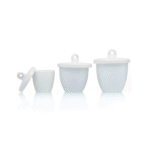

Pipette tips are disposable, narrow plastic attachments used with micropipettes to accurately transfer small volumes of liquid in laboratories. They ensure precision, prevent cross-contamination, and are available in various sizes (e.g., 10 µL, 200 µL, 1000 µL). Sterile pipette tips are used in sensitive experiments like molecular biology, cell culture, and PCR.
Related Products

A hydrometer is an instrument used to measure the specific gravity (relative density) of liquids. It consists of a sealed glass tube with a weighted bottom, allowing it to float upright. The level to which it sinks indicates the liquid’s density. Hydrometers are commonly used in brewing, winemaking, and battery testing.

A vacuum distillation glass set is a laboratory apparatus used to distill liquids at reduced pressure, allowing substances with high boiling points to vaporize at lower temperatures. This prevents thermal decomposition and is ideal for heat-sensitive compounds.

Petri dishes are shallow, circular, flat-lidded dishes typically made of glass or plastic, used in laboratories for culturing microorganisms like bacteria and fungi. Filled with a nutrient medium (e.g., agar), they provide a controlled environment for microbial growth. Petri dishes are essential tools in microbiology, cell culture, and research involving observation of microbial colonies and growth patterns.
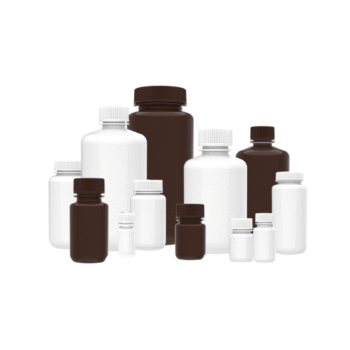
Polypropylene reagent bottles are durable, chemical-resistant containers commonly used in laboratories for storing and dispensing liquid or powdered chemicals. Made from high-quality polypropylene plastic, these bottles offer excellent resistance to a wide range of acids, bases, and solvents, making them ideal for both general-purpose and specialized chemical storage.
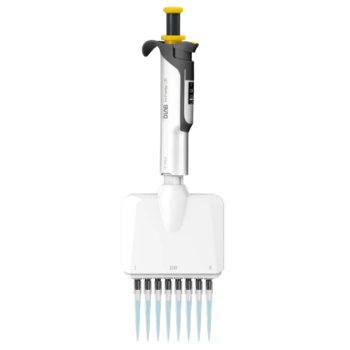
HiPette-LTS Fully Autoclavable Manual 8-Channel Adjustable Colorful Pipette is a high-precision, fully autoclavable multi-channel pipette designed for accurate and efficient liquid handling. Featuring LTS technology for smooth tip loading and consistent performance, it is ideal for molecular biology, cell culture, immunology, and routine laboratory applications.

A laboratory bladder is a flexible, inflatable membrane or container used in various experimental setups to simulate pressure, store gases or liquids, or mimic biological systems. Made from materials like latex or silicone, it is commonly used in fluid mechanics, biomedical research, or testing equipment to apply controlled pressure or volume changes.

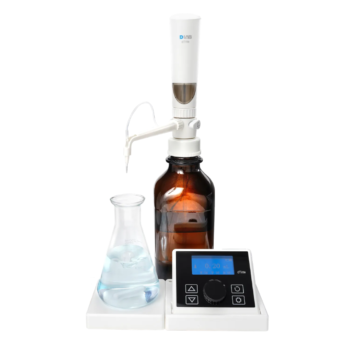
dTrite Electronic Burette is a high-precision electronic titration device designed for accurate and effortless liquid dispensing. Featuring electronic control, a built-in magnetic stirrer, and a large LCD display, it is ideal for laboratory titration and analytical applications.
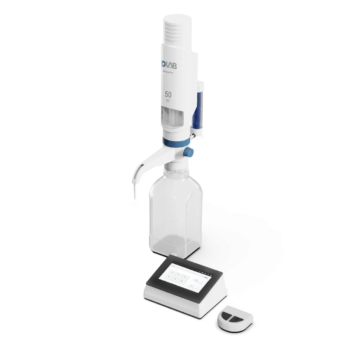
dFlow-Pro Electronic Bottle-Top Dispenser is a high-precision electronic dispenser designed for accurate, efficient, and safe liquid handling. With a smart touchscreen, multiple dispensing modes, and adjustable speed control, it is ideal for laboratory and industrial dispensing applications.

Racks are laboratory tools used to hold, organize, and store test tubes safely and upright. They are made of plastic, wood, or metal and come in various sizes to fit different tube diameters. These racks help prevent spillage, breakage, and contamination during experiments, making them essential for safe and efficient laboratory work.
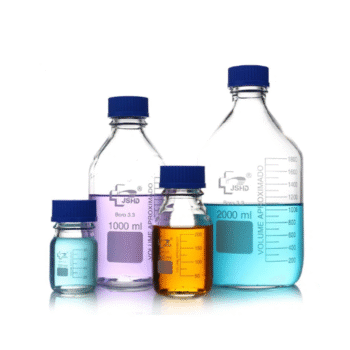
Reagent bottles, also known as chemical bottles or laboratory bottles, are specialized containers used to store chemicals, reagents, and other laboratory substances. They are designed to ensure safe handling, accurate identification, and proper storage of a wide variety of chemical compounds.

Cell culture plate is a flat, sterile plastic or glass plate used in laboratories to grow and study cells under controlled conditions. It contains multiple wells (like 6, 12, 24, 96, or 384) where cells are cultured in nutrient media. These plates are essential in biological research, drug testing, and tissue engineering for observing cell behavior and responses.


Reviews
There are no reviews yet.