


BURETTE

Burette is a long, graduated glass tube with a tap at the bottom, used in laboratories to accurately deliver measured volumes of liquids, especially in titrations. It allows controlled addition of a solution to react with another in a flask. Burettes are marked with precise volume measurements, making them essential for quantitative chemical analysis.
Related Products
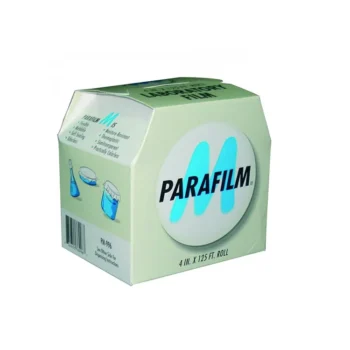
film made of polyolefines and paraffin waxes Service temperature from 45 ?C up to +50C (melting point +60 C) Resistant to saline solutions, most common inorganic acids and bases used in laboratory and some organics solvents (methanol, ethanol and 2-propanol) Not resistant to diethylether, chloroform, carbon tetrachloride, benzene or toluene.

Petri dishes are shallow, circular, flat-lidded dishes typically made of glass or plastic, used in laboratories for culturing microorganisms like bacteria and fungi. Filled with a nutrient medium (e.g., agar), they provide a controlled environment for microbial growth. Petri dishes are essential tools in microbiology, cell culture, and research involving observation of microbial colonies and growth patterns.
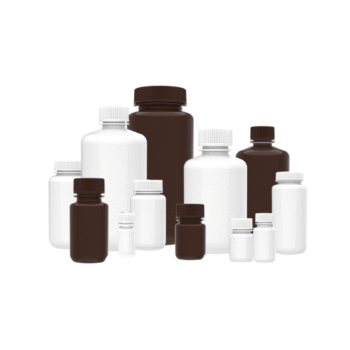
Polypropylene reagent bottles are durable, chemical-resistant containers commonly used in laboratories for storing and dispensing liquid or powdered chemicals. Made from high-quality polypropylene plastic, these bottles offer excellent resistance to a wide range of acids, bases, and solvents, making them ideal for both general-purpose and specialized chemical storage.

Cell culture plate is a flat, sterile plastic or glass plate used in laboratories to grow and study cells under controlled conditions. It contains multiple wells (like 6, 12, 24, 96, or 384) where cells are cultured in nutrient media. These plates are essential in biological research, drug testing, and tissue engineering for observing cell behavior and responses.
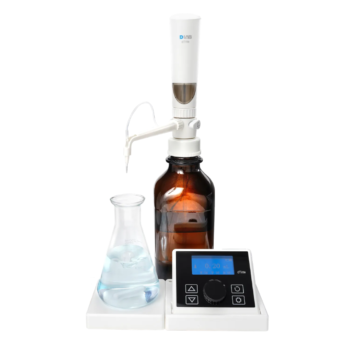
dTrite Electronic Burette is a high-precision electronic titration device designed for accurate and effortless liquid dispensing. Featuring electronic control, a built-in magnetic stirrer, and a large LCD display, it is ideal for laboratory titration and analytical applications.

Inoculating loops are simple laboratory tools used to transfer microorganisms from one medium to another, such as from a culture broth to an agar plate. Made of metal (usually nichrome or platinum) or plastic, they have a small loop at the end that holds a tiny amount of liquid or cells. They are essential in microbiology for aseptic techniques.

Conical flask, also known as an Erlenmeyer flask, is a laboratory container with a conical body, flat bottom, and a narrow neck. It is used for mixing, heating, and storing liquids. The narrow neck helps reduce spillage and allows for use with stoppers. It is ideal for titrations, as it can be easily swirled without risk of spilling.
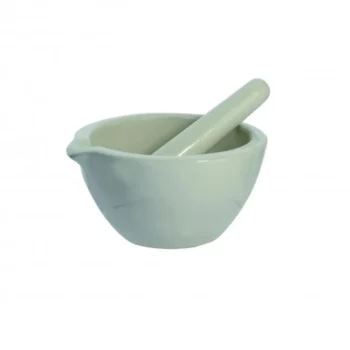
Porcelain mortar with pestle
Made of upper grade porcelain. Unglazed inside but fine polished. Price includes mortar and pestle.
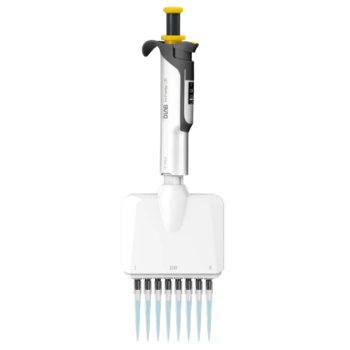
HiPette-LTS Fully Autoclavable Manual 8-Channel Adjustable Colorful Pipette is a high-precision, fully autoclavable multi-channel pipette designed for accurate and efficient liquid handling. Featuring LTS technology for smooth tip loading and consistent performance, it is ideal for molecular biology, cell culture, immunology, and routine laboratory applications.

Pipette tips are disposable, narrow plastic attachments used with micropipettes to accurately transfer small volumes of liquid in laboratories. They ensure precision, prevent cross-contamination, and are available in various sizes (e.g., 10 µL, 200 µL, 1000 µL). Sterile pipette tips are used in sensitive experiments like molecular biology, cell culture, and PCR.

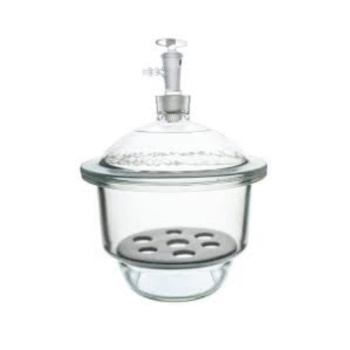
A desiccator is a sealed container used in laboratories to keep moisture-sensitive items dry. It contains a desiccant, such as silica gel, which absorbs humidity. Desiccators are commonly used to store samples, dry chemicals, or protect equipment from moisture, ensuring accurate experimental results and preserving sample integrity.


Reviews
There are no reviews yet.