







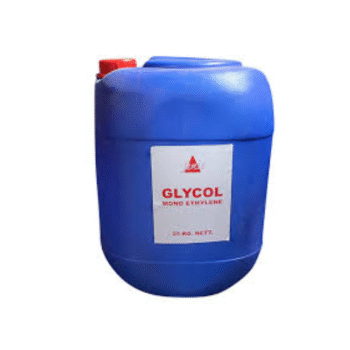
Glycol refers to a group of organic compounds, most commonly ethylene glycol and propylene glycol, known for their antifreeze and solvent properties. Widely used in automotive coolants, de-icing fluids, cosmetics, and pharmaceuticals, glycols are colorless, odorless, and water-soluble. They help regulate temperature and moisture. While useful industrially, some types like ethylene glycol are toxic if ingested.
-
EYE WASH
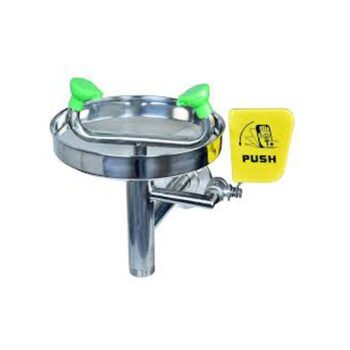
An eye wash station is a safety device used to flush the eyes with water or saline in case of chemical splashes, dust, or irritants. Common in laboratories and industrial settings, it helps prevent serious eye injuries. Immediate use reduces damage and supports workplace safety and emergency preparedness.
-
FAT ANALYZER
A fat analyzer is a laboratory instrument used to determine the fat content in food and feed samples. It typically operates using solvent extraction methods like Soxhlet or automated systems. The analyzer extracts fat from the sample, then measures and calculates the percentage of fat present. It’s essential in quality control, nutrition labeling, and food research.
-
FIBER ANALYZER
A fiber analyzer is a laboratory instrument used to determine the fiber content in food, feed, or plant materials. It measures components like crude fiber, neutral detergent fiber (NDF), and acid detergent fiber (ADF). The analyzer automates digestion, rinsing, and filtration processes, ensuring accurate and efficient analysis of dietary fiber for nutritional and agricultural studies.
-
FLASH POINT TESTER
A Flash Point Tester is an instrument used to determine the flash point of a liquid—the lowest temperature at which it emits enough vapor to ignite in air when exposed to an ignition source. This property is critical for assessing the flammability and fire hazard of fuels, solvents, oils, and other chemicals.
-
Free-Total-Chlorine-PRO-Photometer
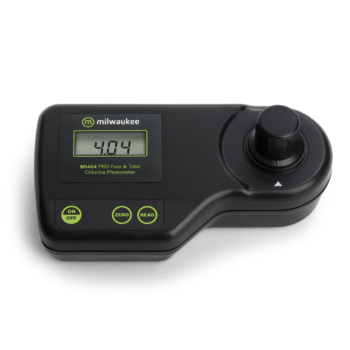
The Milwaukee MI404 Free & Total Chlorine PRO Photometer is a laboratory-grade digital photometer designed for accurate measurement of free and total chlorine in water samples. It offers a measurement range of 0.00–5.00 mg/L Cl₂ with ±0.06 mg/L accuracy and uses a microprocessor-based system for fast, reliable results. Features include manual zero calibration, built-in timer, large LCD display, automatic shut-off, and error messaging. It is widely used in water treatment, swimming pools, brewing, hydroponics, laboratories, and environmental monitoring applications.
-
FREEZE DRYER
A freeze dryer (or lyophilizer) is a device used to remove moisture from perishable materials by freezing the product and then reducing the surrounding pressure to allow the frozen water to sublimate. This process preserves the material’s structure and nutrients. Freeze dryers are widely used in pharmaceuticals, food processing, and biological research for long-term preservation.
-
FTIR
FTIR (Fourier Transform Infrared Spectroscopy) is an analytical technique used to identify organic, polymeric, and some inorganic materials. It works by measuring how a sample absorbs infrared (IR) light at different wavelengths. The resulting spectrum represents the molecular fingerprint of the material, showing characteristic peaks corresponding to specific chemical bonds.
-
FUME HOOD
A fume hood is a ventilated enclosure used in laboratories to safely handle hazardous or volatile substances. It works by drawing air away from the user and venting harmful fumes, vapors, or dust through a filtration system or exhaust duct. This protects laboratory personnel from inhaling toxic chemicals and helps prevent fire or explosion risks. Fume hoods are essential safety equipment in chemistry labs and must be used correctly—with the sash at the proper height and minimal obstruction inside—to ensure effectiveness.
-
GC-MS
GC-MS (Gas Chromatography–Mass Spectrometry) is an analytical technique used to separate and identify chemical substances in a sample. It combines Gas Chromatography (GC) for separating components based on volatility and Mass Spectrometry (MS) for identifying them based on their mass-to-charge ratio. GC-MS is widely used in forensics, environmental testing, drug detection, food analysis, and research due to its high sensitivity and accuracy in detecting trace-level compounds.
-
GC-MS COLUMN
A GC-MS column is a vital part of a Gas Chromatography-Mass Spectrometry (GC-MS) system, used to separate and analyze volatile and semi-volatile compounds in a sample.
-
GLASS WATER DISTILLER
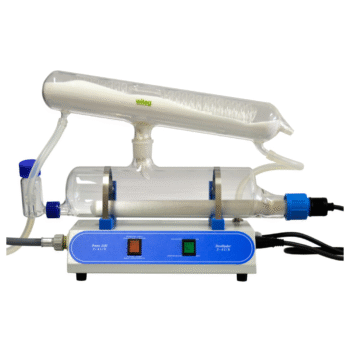
A glass water distiller is a laboratory device used to purify water by boiling it and condensing the steam back into liquid in a separate chamber. Made of heat-resistant glass, it removes impurities like salts, minerals, and microbes. It is commonly used in labs for preparing distilled water for experiments.
-
Glass-Refillable-pH-Replacement-Probe
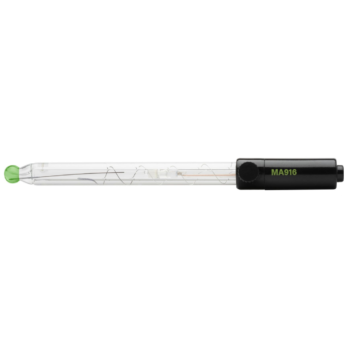
The Milwaukee MA916B/1 Glass Refillable pH Replacement Probe is a laboratory-grade pH electrode designed for accurate and reliable pH measurement with Milwaukee BNC-compatible meters. It features a durable glass body, refillable electrolyte system, and single-junction Ag/AgCl reference for stable readings. The probe measures pH from 0 to 13 and operates in temperatures from 0°C to 60°C. Its spherical glass membrane provides fast response, while the BNC connector and 1-meter cable ensure secure and convenient use in laboratories, water analysis, and research applications.

