
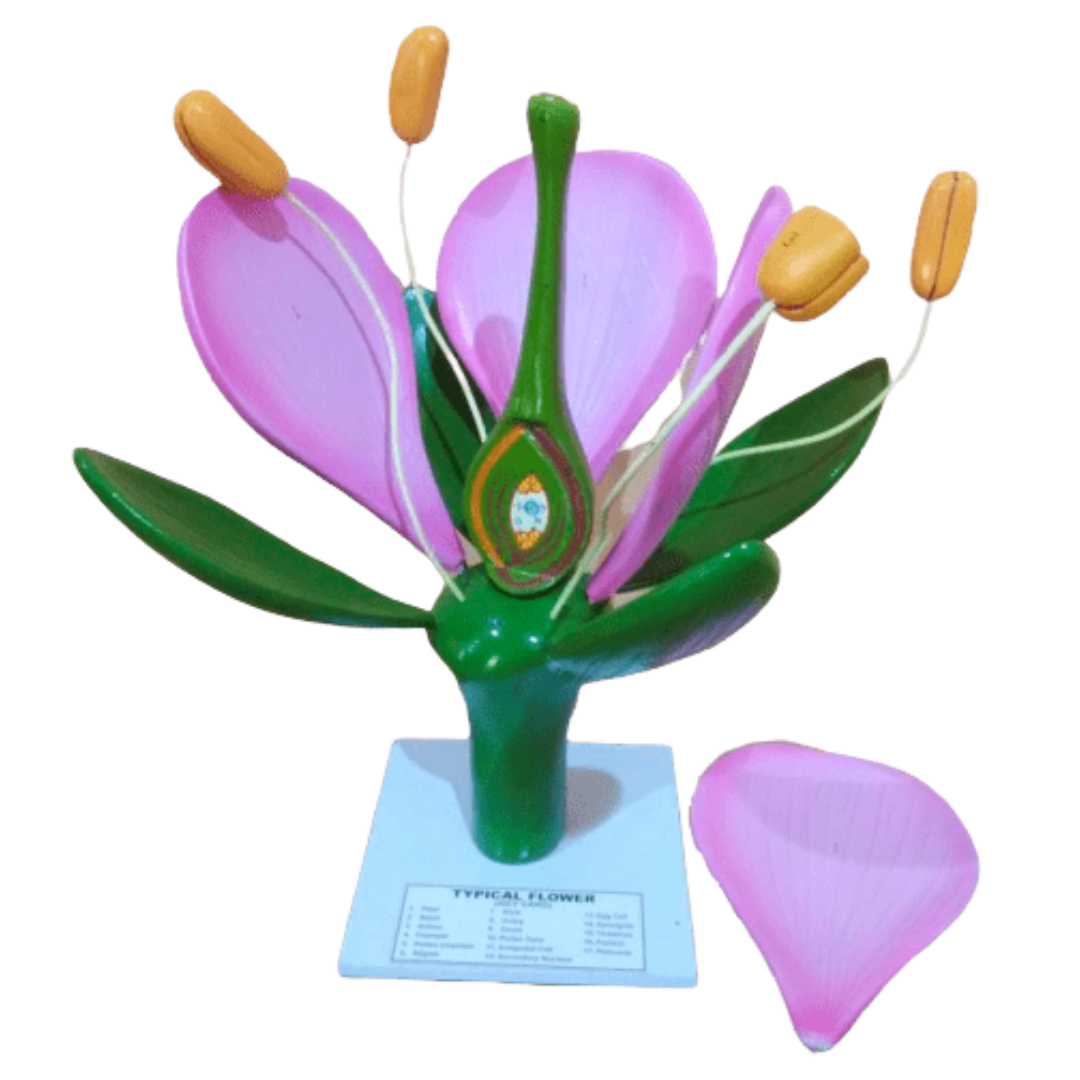
TYPICAL DICOT FLOWER MODEL
The Typical Dicot Flower Model is a three-dimensional educational model showing the main parts of a dicot flower, including petals, sepals, stamens, and the pistil. It is ideal for studying flower anatomy and reproduction.
The Typical Dicot Flower Model is a detailed three-dimensional botanical model designed to demonstrate the structure and reproductive parts of a typical dicot flower. It clearly represents the petals, sepals, stamens, pistil, and male and female reproductive structures.
Mounted on a stable base, the model provides a clear and practical way to study flower anatomy, pollination, and reproduction. It is suitable for biology and botany classrooms, laboratories, and educational demonstrations.
Related Products

An orbital shaker is a laboratory device used to gently mix or agitate liquids in flasks, tubes, or beakers. It moves in a circular (orbital) motion, making it ideal for cell cultures, solubility studies, or general mixing. Commonly used in biology, chemistry, and pharmaceutical labs, it ensures uniform mixing without foaming.
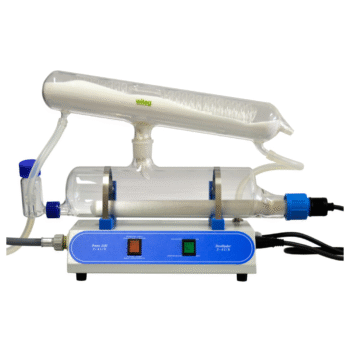
A glass water distiller is a laboratory device used to purify water by boiling it and condensing the steam back into liquid in a separate chamber. Made of heat-resistant glass, it removes impurities like salts, minerals, and microbes. It is commonly used in labs for preparing distilled water for experiments.
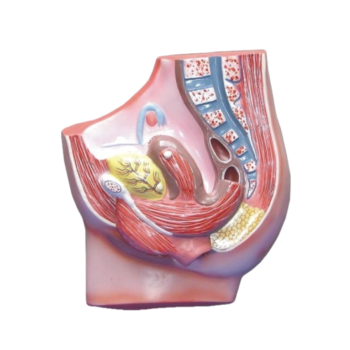
The Human Female Pelvis Model is a detailed anatomical model designed to demonstrate the structure of the female pelvic region. It is ideal for medical, nursing, anatomy, gynecology, and obstetric education.

A Thermo Mix (or Thermomixer) is a laboratory instrument that heats, cools, and mixes samples simultaneously. It is commonly used in molecular biology, biochemistry, and clinical labs for applications like enzyme reactions, DNA/RNA extraction, and sample incubation. The device offers precise temperature control and variable shaking speeds, making it efficient for uniform mixing and consistent results.

The Human Muscular System Model is a life-size anatomical model designed to study the structure and arrangement of human muscles. It is ideal for anatomy education, medical training, and laboratory demonstrations.
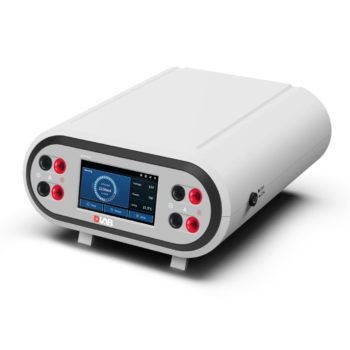
A high-performance electrophoresis power supply designed for DNA/RNA electrophoresis, SDS-PAGE, Native-PAGE, and protein transfer applications. Features touchscreen control, precise output adjustment, and reliable safety functions for laboratory use.

A pipette filler is a laboratory tool used to safely and accurately draw liquids into glass or plastic pipettes without using mouth suction. It provides better control and prevents contamination or exposure to hazardous substances.

An autoclavable mechanical micropipette is a laboratory instrument used to accurately measure and transfer small volumes of liquids, typically ranging from 0.1 µL to 1000 µL. It is designed with durable materials that allow for sterilization in an autoclave at 121 °C, ensuring contamination-free usage. These micropipettes offer adjustable volume settings, ergonomic handling, and high accuracy and precision. They are widely used in molecular biology, microbiology, and analytical chemistry. The autoclavable feature makes them ideal for sterile environments, such as tissue culture or clinical labs. Their design ensures reliability and comfort during repetitive pipetting tasks.

A multi-channel adjustable volume mechanical pipette is a lab instrument used to simultaneously transfer multiple small volumes of liquid across several channels (typically 8 or 12), with adjustable volume settings. It is ideal for high-throughput applications such as ELISA, PCR, and microplate assays.

An electronic burette is a precision laboratory instrument used to accurately dispense and titrate liquids with the help of a digital control system. It combines the functions of a manual burette with the ease and accuracy of electronic operation.
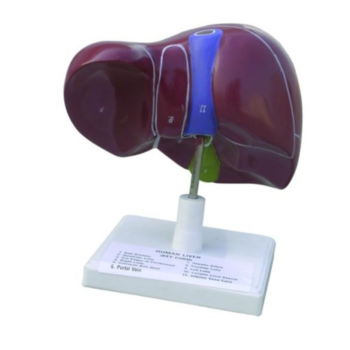
The Human Liver with Gallbladder on Stand is a detailed anatomical model showing the liver, gallbladder, bile ducts, and major blood vessels. It is ideal for anatomy education, medical training, and laboratory demonstrations.
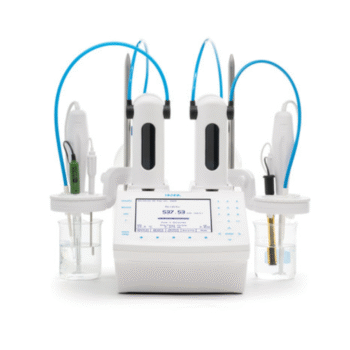
A potentiometric titrator is an analytical instrument used to determine the concentration of a substance in solution by measuring the voltage change during a titration. It uses electrodes to detect the endpoint precisely without relying on color changes, making it ideal for colored or turbid samples in chemical and pharmaceutical analysis.


Reviews
There are no reviews yet.