


TEST WEIGHTS

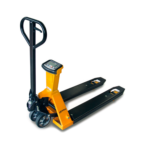
Test weights large range of OIML test weights, which you can use at any time to quickly and reliably check your measuring instrument. From
milligram weights to tonne weights, from the classic OIML design to special weights which are specifically manufactured to your specifications.
Related Products

A Flash Point Tester is an instrument used to determine the flash point of a liquid—the lowest temperature at which it emits enough vapor to ignite in air when exposed to an ignition source. This property is critical for assessing the flammability and fire hazard of fuels, solvents, oils, and other chemicals.

An Ice Flake Machine is a device used to produce soft, dry flakes of ice, commonly used in laboratories, hospitals, food industries, and fisheries. The flake ice is ideal for sample preservation, temperature control, and cooling sensitive materials. These machines operate efficiently, providing continuous ice supply and are valued for their quick freezing, low maintenance, and energy efficiency.
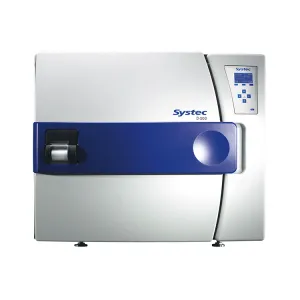
Front-loading, bench-top autoclaves available in 7 sizes with chamber capacities ranging from 23 to 200 l. Compact on the outside but with ideal chamber capacities inside. Each size has an optimal loading capacity for most standard media bottles and Erlenmeyer flasks.

A COD digestion unit is a laboratory device used to measure the Chemical Oxygen Demand (COD) of water or wastewater. It heats samples with a strong oxidizing agent (usually potassium dichromate in sulfuric acid) at 150°C for two hours. This process oxidizes organic matter, indicating pollution levels. It’s essential for water quality analysis in environmental monitoring.

An oil distillation kit is a laboratory setup used to extract and purify essential oils or separate oil mixtures based on their boiling points through the process of distillation.

A GC-MS column is a vital part of a Gas Chromatography-Mass Spectrometry (GC-MS) system, used to separate and analyze volatile and semi-volatile compounds in a sample.

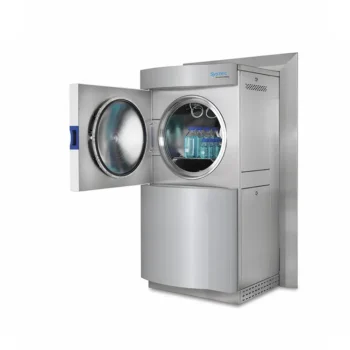
Standing autoclaves of the performance category HX can be used for all laboratory applications, even for sophisticated sterilization processes and are available in 16 different sizes with 65 to 1580 liters chamber volume. The new, improved generation of Systec H-Series autoclaves comes in a new design, with a fully revamped interior and a completely new touchscreen control. The combination of new features guarantees higher work precision, easier maintenance of devices, shorter and more efficient process times.
All Systec autoclaves can be upgraded on a modular basis, with options and equipment to optimize sterilization processes for performing validatable sterilization procedures.

GC-MS (Gas Chromatography–Mass Spectrometry) is an analytical technique used to separate and identify chemical substances in a sample. It combines Gas Chromatography (GC) for separating components based on volatility and Mass Spectrometry (MS) for identifying them based on their mass-to-charge ratio. GC-MS is widely used in forensics, environmental testing, drug detection, food analysis, and research due to its high sensitivity and accuracy in detecting trace-level compounds.

A laboratory chiller is a cooling device used to maintain a constant low temperature for laboratory instruments or processes. It works by circulating chilled fluid (like water or glycol) through equipment such as rotary evaporators, condensers, lasers, or reactors to dissipate heat.

A magnetic stirrer hot plate is a common laboratory device used to heat and stir liquids simultaneously. It consists of a flat heating surface and a rotating magnetic field that spins a magnetic stir bar placed inside the liquid.

Vertical autoclaves ,Ideal for Biotechnology, Clinical, Environmental, Medical and Food Industry.Innovative Easy-to-Use Digital Fuzzy Controller.


Reviews
There are no reviews yet.