MS-S Magnetic Stirrer
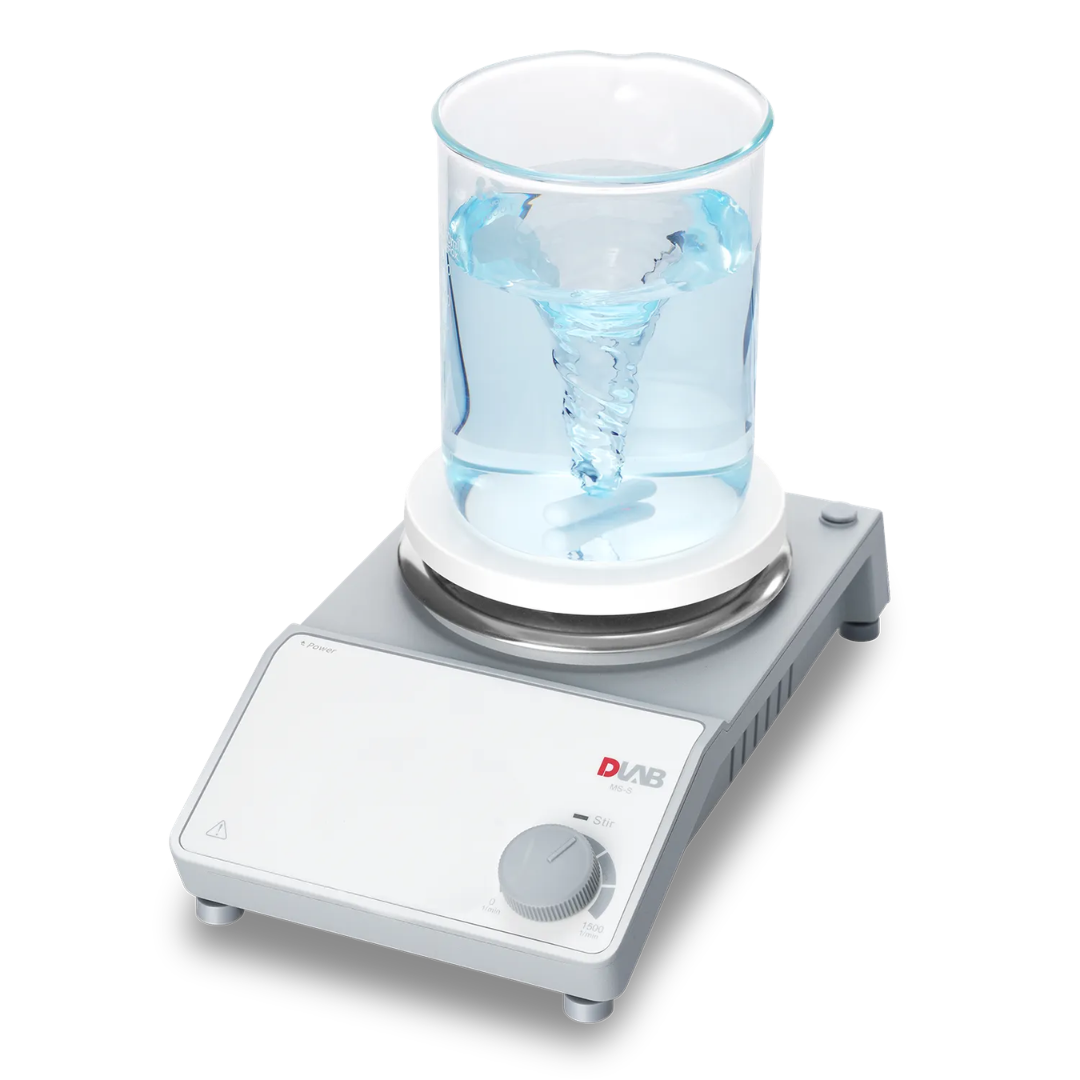
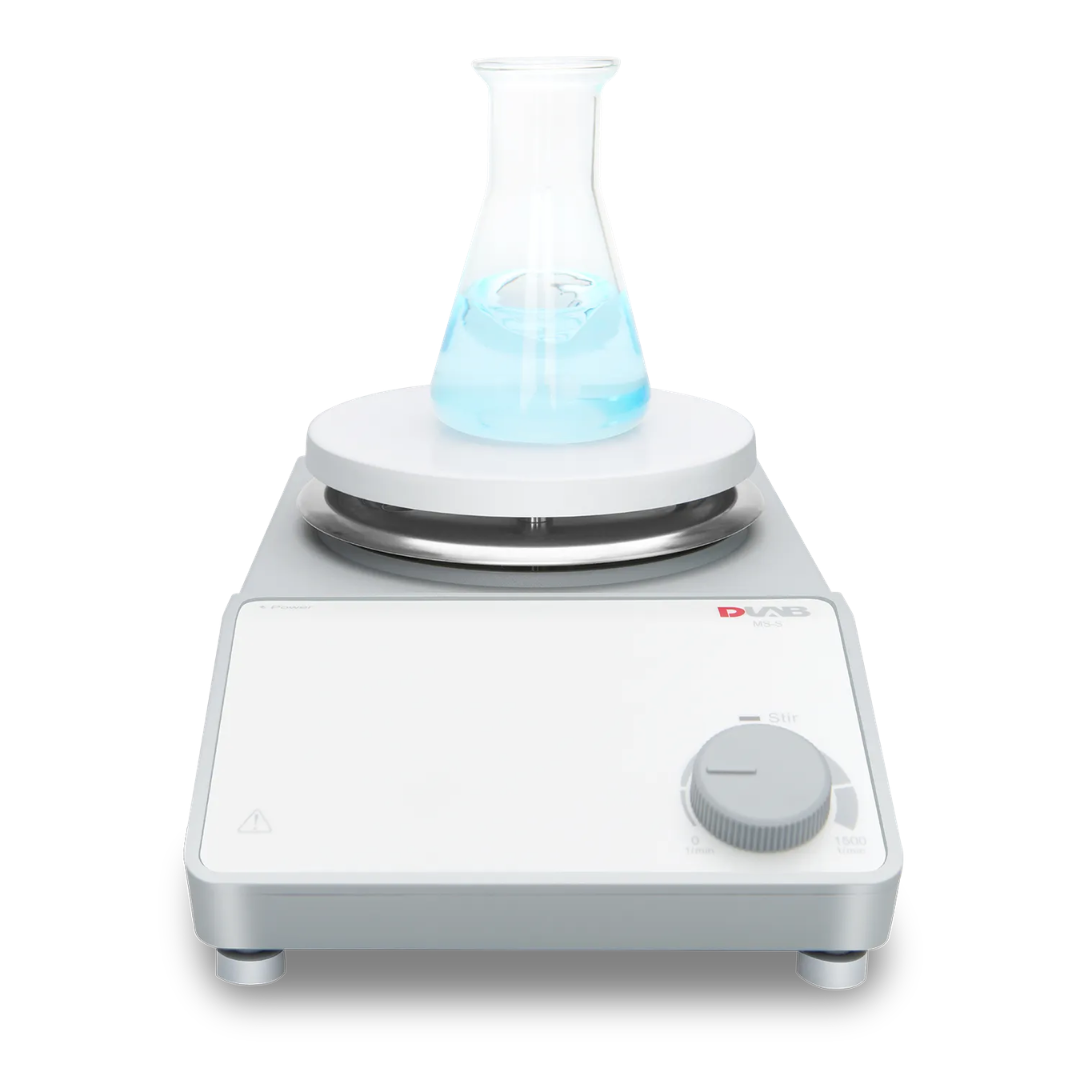
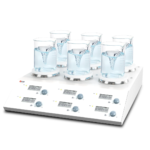
MS-S Magnetic Stirrer is a reliable laboratory magnetic stirrer designed for efficient and consistent sample mixing. Featuring a stirring speed of up to 1500 rpm, a corrosion-resistant ceramic work plate, and a maximum stirring capacity of 20 L, it is ideal for routine laboratory applications.
- Size Guide
Size Guide
DRESSEST-SHIRTBOTTOMSDRESSESSize Chest Waist Hips XS 34 28 34 S 36 30 36 M 38 32 38 L 40 34 40 XL 42 36 42 2XL 44 38 44 All measurements are in INCHES
and may vary a half inch in either direction.
T-SHIRTSize Chest Waist Hips 2XS 32 26 32 XS 34 28 34 S 36 30 36 M 38 32 38 L 40 34 40 XL 42 36 42 All measurements are in INCHES
and may vary a half inch in either direction.
BOTTOMSSize Chest Waist Hips XS 34 28 34 S 36 30 36 M 38 32 38 L 40 34 40 XL 42 36 42 2XL 44 38 44 All measurements are in INCHES
and may vary a half inch in either direction.
- Delivery & Return
Delivery
Store delivery FREE
1-3 working days
Home or collection point from £35.00 FREE
On all your orders for home or collection point delivery
Returns
Return
We will accept exchanges and returns of unworn and unwashed garments within 30 days of the date of purchase (14 days during the sales period).
Returns in store FREE
Your return will usually be processed within a week to a week and a half. We’ll send you a Return Notification email to notify you once the return has been completed. Please allow 1-3 business days for refunds to be received to the original form of payment once the return has been processed.
- Ask a Question
The MS-S Magnetic Stirrer delivers smooth and reliable stirring for a wide range of laboratory tasks. Its durable ceramic work plate provides excellent chemical resistance, while the maintenance-friendly design ensures long-lasting performance. Suitable for reagent preparation, chemical synthesis, sample dissolution, extraction, titration, and analytical testing, it is widely used in chemical, pharmaceutical, research, environmental, agricultural, and quality control laboratories.
| 5 |
|
0 |
| 4 |
|
0 |
| 3 |
|
0 |
| 2 |
|
0 |
| 1 |
|
0 |
- Bio-Technology consumables & equipment
- Petroleum & Oil testing equipment
- Laboratory Equipments
- Educational Scientific Products
- Hygeine Monitoring
- Industrial Chemicals
- Laboratory Chemicals
- Laboratory Consumables
- Laboratory Furniture
- Laundry & Cleaning Chemicals
- Medical Disposables & Devices
- PPE
- Safety Products For Labs
- Water Quality Testing Products
Related Products
A rotary evaporator (or rotavap) is a laboratory device used to remove solvents from samples through evaporation under reduced pressure. It works by rotating a flask containing the solution, while gently heating it and applying a vacuum, allowing the solvent to evaporate at a lower temperature. It is widely used in chemistry, pharmaceuticals, and food research for concentration, purification, and solvent recovery.
An HPLC column (High-Performance Liquid Chromatography column) is a crucial component of an HPLC system used to separate, identify, and quantify components in a liquid sample.
An oil distillation kit is a laboratory setup used to extract and purify essential oils or separate oil mixtures based on their boiling points through the process of distillation.
Front-loading, bench-top autoclaves available in 7 sizes with chamber capacities ranging from 23 to 200 l. Compact on the outside but with ideal chamber capacities inside. Each size has an optimal loading capacity for most standard media bottles and Erlenmeyer flasks.
Agilent HPLC (High-Performance Liquid Chromatography) systems are advanced analytical instruments used for separating, identifying, and quantifying compounds in a mixture. Manufactured by Agilent Technologies, these systems are widely used in pharmaceuticals, environmental testing, food safety, and chemical research. Agilent HPLCs are known for their high precision, reliability, and user-friendly software (such as OpenLab or ChemStation). Common models include the Agilent 1100, 1200, and 1260 Infinity series.
An Ice Flake Machine is a device used to produce soft, dry flakes of ice, commonly used in laboratories, hospitals, food industries, and fisheries. The flake ice is ideal for sample preservation, temperature control, and cooling sensitive materials. These machines operate efficiently, providing continuous ice supply and are valued for their quick freezing, low maintenance, and energy efficiency.
A water distiller is a device used to purify water by boiling it into steam and then condensing the steam back into liquid. This process removes impurities such as salts, heavy metals, microorganisms, and most chemicals. Distilled water is often used in laboratories, medical settings, and for appliances like steam irons where mineral-free water is required. Although effective, distillation is slower and more energy-intensive compared to other filtration methods.
A fiber analyzer is a laboratory instrument used to determine the fiber content in food, feed, or plant materials. It measures components like crude fiber, neutral detergent fiber (NDF), and acid detergent fiber (ADF). The analyzer automates digestion, rinsing, and filtration processes, ensuring accurate and efficient analysis of dietary fiber for nutritional and agricultural studies.
A laboratory freezer is a specialized unit used to store biological samples, chemicals, reagents, and vaccines at low temperatures, typically ranging from –20°C to –80°C. It ensures sample stability and prevents degradation. Laboratory freezers are essential in research, clinical, and pharmaceutical settings for long-term preservation and safety.
The Kjeldahl apparatus is used to determine the nitrogen content in organic compounds, which helps estimate protein levels in food, feed, and other samples. The process involves digestion, distillation, and titration. In digestion, nitrogen is converted to ammonium sulfate; during distillation, ammonia is released and captured; titration quantifies nitrogen. It’s widely used in agriculture, food, and environmental labs.
A colorimeter is a device used to measure the concentration of colored compounds in a solution by detecting the amount of light absorbed. It works on Beer-Lambert’s law and is widely used in chemistry, biology, and environmental labs. Colorimeters help in water testing, food analysis, and clinical diagnostics for quick, accurate color-based measurements.


Reviews
There are no reviews yet.