
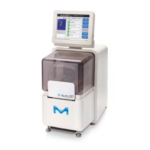
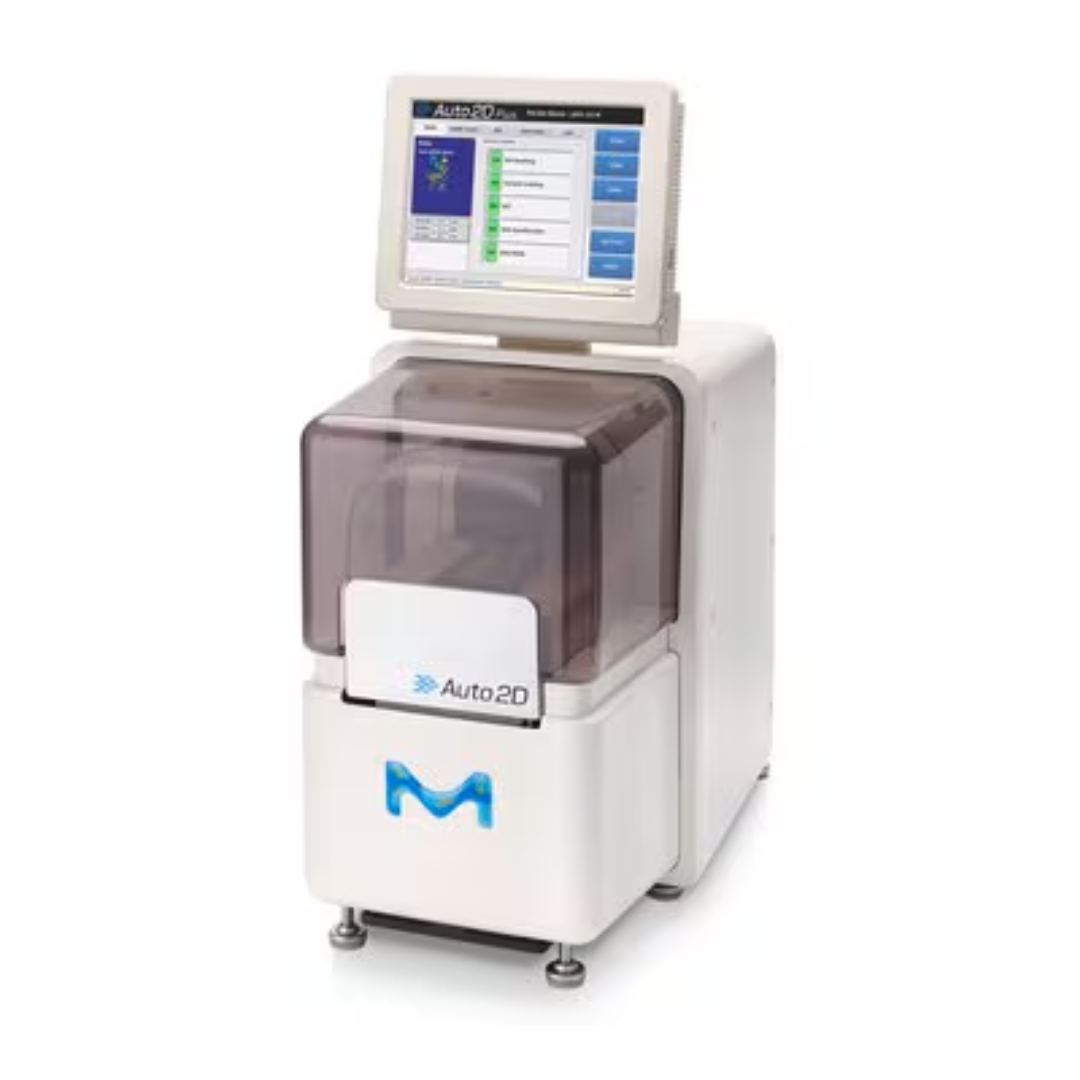
2-D Electrophoresis Device
A 2-D Electrophoresis Device is an analytical system used to separate complex protein mixtures based on two independent properties: isoelectric point (pI) and molecular weight. In the first dimension, proteins are separated by isoelectric focusing (IEF), while in the second dimension they are separated using SDS-PAGE. This technique provides high-resolution protein profiling and identification. It is widely used in proteomics, biomarker discovery, disease research, protein expression studies, and characterization of post-translational modifications.
Related Products
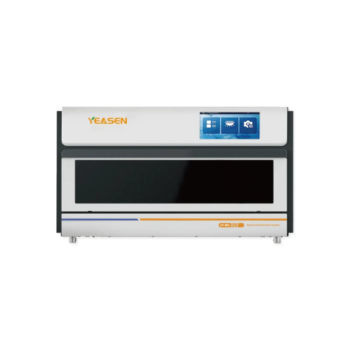
96-Channel Automated Nucleic Acid Extraction Instrument 80510ES is a high-throughput automated system designed for efficient and reliable DNA/RNA extraction and purification from various biological samples.
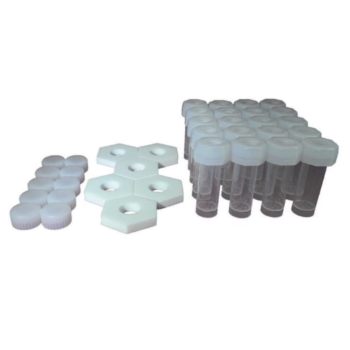
The Tube-O-DIALYZER™ Mini Dialysis System is a compact laboratory device used for dialysis, buffer exchange, desalting, and purification of small-volume biological samples. It incorporates a semi-permeable membrane that allows low-molecular-weight contaminants, salts, and solvents to diffuse out while retaining larger biomolecules such as proteins and nucleic acids. The system offers high sample recovery, minimal sample loss, and easy handling. It is widely used in molecular biology, biochemistry, proteomics, and pharmaceutical research laboratories.
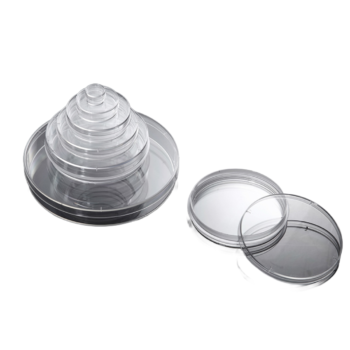
CellATTACH® culture products feature a superhydrophilic surface that enhances cell adhesion and growth. Ideal for primary, neuronal, stem, and other difficult-to-culture cells under low-serum or serum-free conditions.
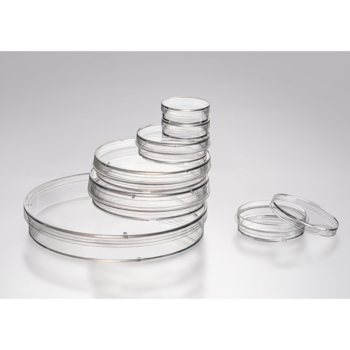
Reliable culture dishes designed for plant, animal cell, and microbial culture. Available in multiple sizes and surface treatments for different cell culture applications.
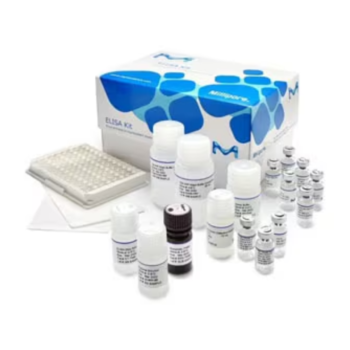
An ELISA (Enzyme-Linked Immunosorbent Assay) is a multi-well plate-based immunoassay within which one of the assay components, typically an antibody or sample, is adsorbed onto a solid surface, in this case, a plate. Offering rapid, quantitative, and sensitive analyte detection at relatively low cost, ELISAs represent one of the simplest assay formats to perform. Furthermore, the ease of adapting an ELISA to a higher throughput screening method empowers researchers to test large sample numbers in a single run.
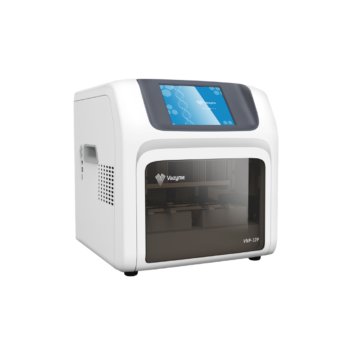
VaPura 32 Automated Nucleic Acid Extraction System is a compact, high-precision system designed for automated extraction and purification of nucleic acids from various biological samples.
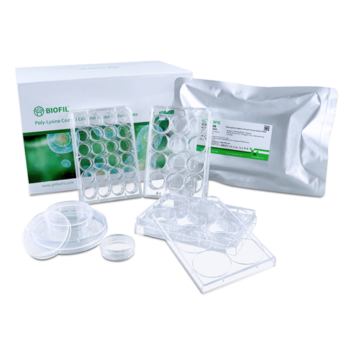
Pre-coated culture plates and dishes designed to improve cell attachment and growth, especially for neurons, glial cells, and other difficult-to-culture cell lines.
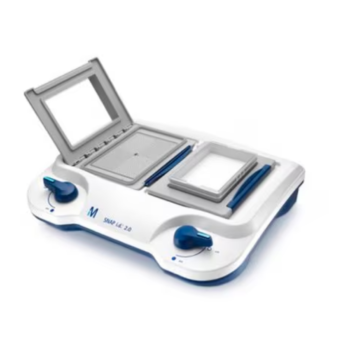
The SNAP i.d. 2.0 Protein Detection System is a vacuum-driven immunodetection platform designed to accelerate Western blot and protein analysis workflows. By actively drawing reagents through the membrane, it significantly reduces blocking, antibody incubation, and washing times compared to conventional methods. The system improves efficiency, reproducibility, and consistency while maintaining high sensitivity and low background signals. It is widely used in molecular biology, proteomics, biomedical research, and diagnostic laboratories for rapid protein detection and analysis.
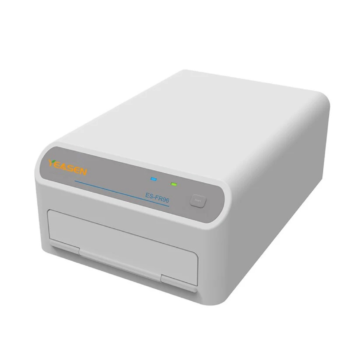
High-Throughput 96-Well Nucleic Acid Quantification Fluorometer 80575ES is a compact fluorescence-based instrument for accurate quantification of DNA, RNA, microRNA, and proteins using only 1–20 μL samples.
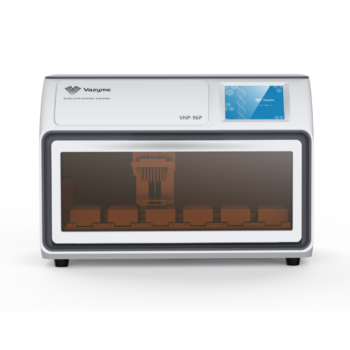
VaPura 96 Automatic Nucleic Acid Extraction Instrument is a high-throughput automated system designed for efficient extraction and purification of nucleic acids from various biological samples.
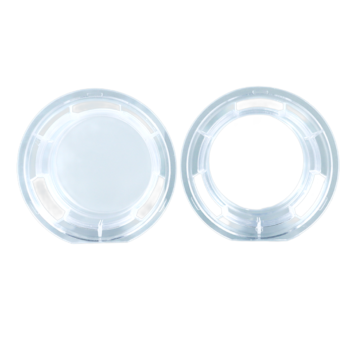
Tissue culture inserts designed for co-culture, cell migration, chemotaxis, and transport studies. Available in multiple well sizes and membrane pore sizes for versatile laboratory applications.
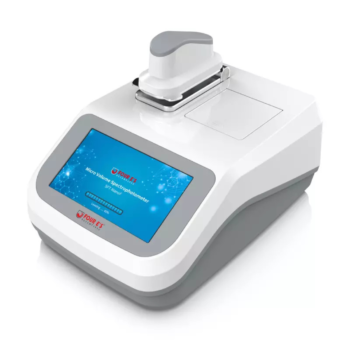
Micro Volume Spectrophotometer (UV-Vis) is a compact instrument designed for accurate quantitative analysis of DNA, RNA, proteins, and other samples using micro-volume measurements.


Reviews
There are no reviews yet.