


Bilharzia (Male & Female)
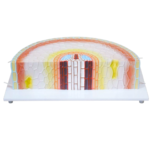
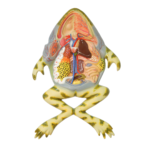
The Bilharzia (Male & Female) Model is an educational zoology model showing the internal anatomy of male and female Schistosoma worms. It highlights key structures such as the oral sucker, oesophagus, intestine, and testes for easy study and identification.
Related Products
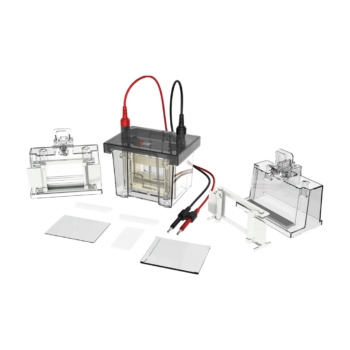
A compact vertical electrophoresis tank designed for DNA and protein sample separation. Supports dual gel running with durable construction and easy operation for laboratory applications.

An electronic micropipette is a digitally controlled liquid handling device used to accurately and precisely aspirate and dispense small volumes of liquids in laboratories. Unlike manual pipettes, it uses a motorized piston and electronic control to reduce hand strain and improve reproducibility.

A multi-channel adjustable volume mechanical pipette is a lab instrument used to simultaneously transfer multiple small volumes of liquid across several channels (typically 8 or 12), with adjustable volume settings. It is ideal for high-throughput applications such as ELISA, PCR, and microplate assays.
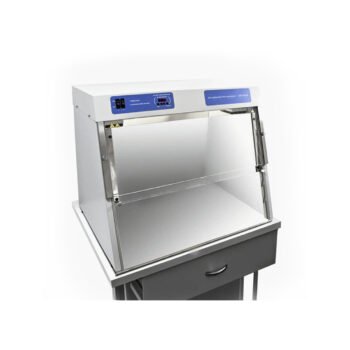
A UV Cabinet is a laboratory device used to sterilize and decontaminate equipment, tools, and sometimes biological samples using ultraviolet (UV) light, specifically UV-C radiation. UV-C light (wavelength around 254 nm) is germicidal—it destroys or inactivates microorganisms by damaging their DNA or RNA. These cabinets are commonly used in microbiology, molecular biology, and PCR work to prevent contamination. UV cabinets should only be used when closed and with proper shielding, as direct UV-C exposure is harmful to skin and eyes.

A vacuum-controlled aspiration system is a laboratory device used for the safe and efficient removal of liquid waste, such as supernatants or culture media, from tubes, flasks, or plates using controlled vacuum suction.
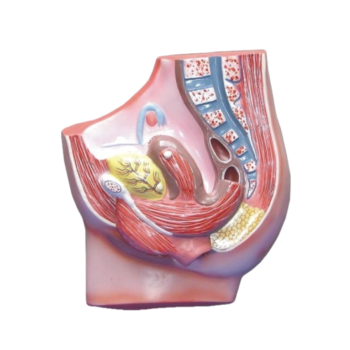
The Human Female Pelvis Model is a detailed anatomical model designed to demonstrate the structure of the female pelvic region. It is ideal for medical, nursing, anatomy, gynecology, and obstetric education.

An orbital shaker is a laboratory device used to gently mix or agitate liquids in flasks, tubes, or beakers. It moves in a circular (orbital) motion, making it ideal for cell cultures, solubility studies, or general mixing. Commonly used in biology, chemistry, and pharmaceutical labs, it ensures uniform mixing without foaming.
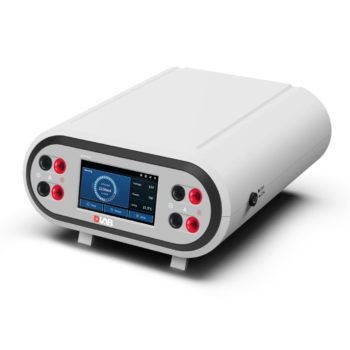
A high-performance electrophoresis power supply designed for DNA/RNA electrophoresis, SDS-PAGE, Native-PAGE, and protein transfer applications. Features touchscreen control, precise output adjustment, and reliable safety functions for laboratory use.
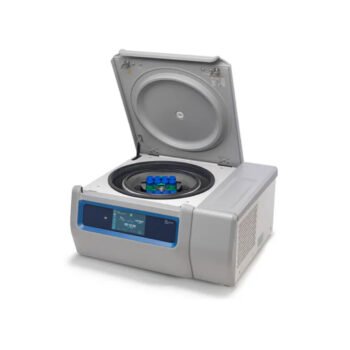
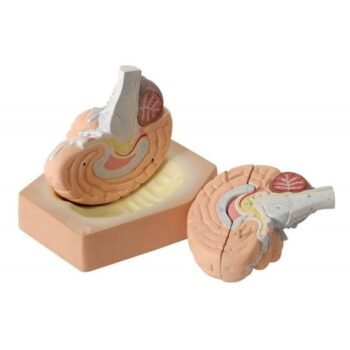
The Human Brain Model (4 Parts) is a detailed anatomical model designed to demonstrate the major structures and regions of the human brain. It is ideal for anatomy, neurology, medical education, and laboratory training.
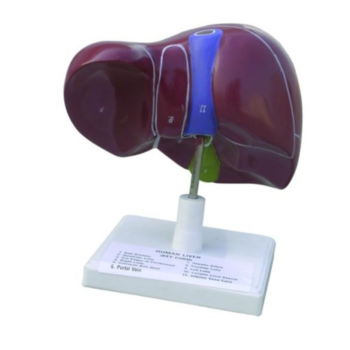
The Human Liver with Gallbladder on Stand is a detailed anatomical model showing the liver, gallbladder, bile ducts, and major blood vessels. It is ideal for anatomy education, medical training, and laboratory demonstrations.

A microscope is a laboratory instrument used to magnify and observe small objects or details that are invisible to the naked eye. It is essential in biology, medicine, and materials science for examining cells, microorganisms, tissues, and structures.


Reviews
There are no reviews yet.