


PETRI DISHES


Petri dishes are shallow, circular, flat-lidded dishes typically made of glass or plastic, used in laboratories for culturing microorganisms like bacteria and fungi. Filled with a nutrient medium (e.g., agar), they provide a controlled environment for microbial growth. Petri dishes are essential tools in microbiology, cell culture, and research involving observation of microbial colonies and growth patterns.
Related Products

A pycnometer is a laboratory device used to determine the density or specific gravity of liquids and fine solids. It is usually a small glass flask with a close-fitting stopper that has a capillary hole to allow air to escape. Pycnometers provide highly accurate measurements and are commonly used in chemistry and material science.
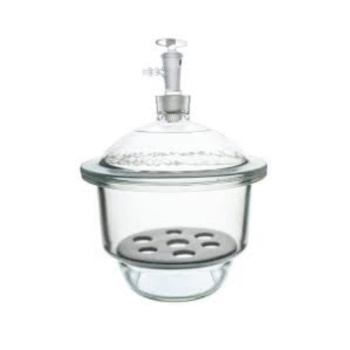
A desiccator is a sealed container used in laboratories to keep moisture-sensitive items dry. It contains a desiccant, such as silica gel, which absorbs humidity. Desiccators are commonly used to store samples, dry chemicals, or protect equipment from moisture, ensuring accurate experimental results and preserving sample integrity.

PCR tubes are small, thin-walled plastic tubes used in Polymerase Chain Reaction (PCR) to hold DNA samples during thermal cycling. Made of polypropylene, they ensure efficient heat transfer and chemical resistance. They typically come in 0.2 mL or 0.5 mL sizes, with flat or domed caps. PCR tubes are essential for precise and contamination-free DNA amplification.
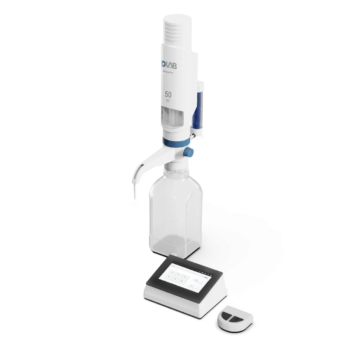
dFlow-Pro Electronic Bottle-Top Dispenser is a high-precision electronic dispenser designed for accurate, efficient, and safe liquid handling. With a smart touchscreen, multiple dispensing modes, and adjustable speed control, it is ideal for laboratory and industrial dispensing applications.

Beaker is a common laboratory container used for mixing, stirring, and heating chemicals. It is usually made of glass or plastic and has a cylindrical shape with a flat bottom and a small spout for easy pouring. Beakers come in various sizes and have volume markings, but they are not used for precise measurements.

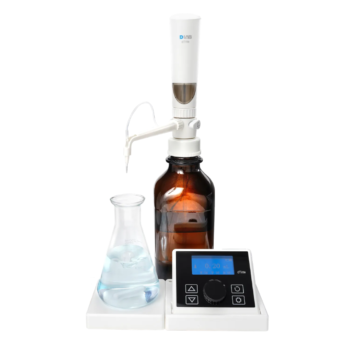
dTrite Electronic Burette is a high-precision electronic titration device designed for accurate and effortless liquid dispensing. Featuring electronic control, a built-in magnetic stirrer, and a large LCD display, it is ideal for laboratory titration and analytical applications.

Cell culture plate is a flat, sterile plastic or glass plate used in laboratories to grow and study cells under controlled conditions. It contains multiple wells (like 6, 12, 24, 96, or 384) where cells are cultured in nutrient media. These plates are essential in biological research, drug testing, and tissue engineering for observing cell behavior and responses.

The Le Chatelier Specific Gravity Bottle is a specialized glass apparatus used to determine the specific gravity (relative density) of fine materials like cement. It has a narrow neck with a graduated scale and a bulb at the bottom. The bottle accurately measures the volume displaced by a known weight of material, helping assess quality and consistency in construction materials.
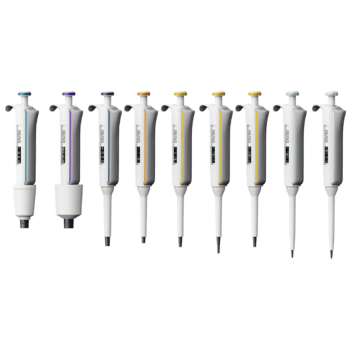
Mi-Pette New Generation Colorful Fully Autoclavable Adjustable Pipette is a high-precision manual pipette designed for accurate and comfortable liquid handling. Featuring an ergonomic design, color-coded identification, fine volume adjustment, and full autoclavability, it is ideal for research, diagnostics, and routine laboratory applications.

Porcelain crucible is a small, heat-resistant container made from ceramic material, used in laboratories for heating substances to very high temperatures. It is commonly used in ash content analysis, metal melting, and chemical reactions that require intense heat. Crucibles can withstand open flames and are often used with a lid and a clay triangle during heating.

Polypropylene reagent bottles are durable, chemical-resistant containers commonly used in laboratories for storing and dispensing liquid or powdered chemicals. Made from high-quality polypropylene plastic, these bottles offer excellent resistance to a wide range of acids, bases, and solvents, making them ideal for both general-purpose and specialized chemical storage.


Reviews
There are no reviews yet.