
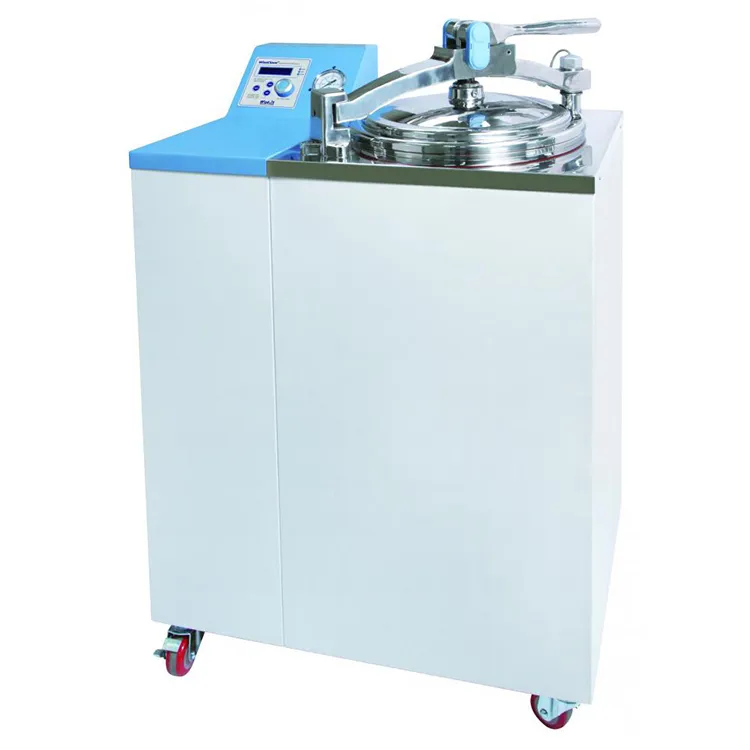
VERTICAL AUTOCLAVES
Vertical autoclaves ,Ideal for Biotechnology, Clinical, Environmental, Medical and Food Industry.Innovative Easy-to-Use Digital Fuzzy Controller.
Related Products

Hydrotherm boilers are high-efficiency heating systems used in residential and commercial buildings. They operate using hot water or steam and are typically gas-fired. Known for their durability and modular design, Hydrotherm boilers offer reliable and energy-efficient performance. Regular maintenance ensures long service life and optimal heating efficiency.
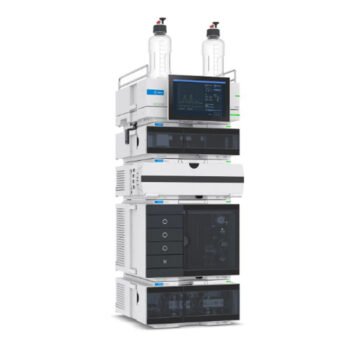
Agilent HPLC (High-Performance Liquid Chromatography) systems are advanced analytical instruments used for separating, identifying, and quantifying compounds in a mixture. Manufactured by Agilent Technologies, these systems are widely used in pharmaceuticals, environmental testing, food safety, and chemical research. Agilent HPLCs are known for their high precision, reliability, and user-friendly software (such as OpenLab or ChemStation). Common models include the Agilent 1100, 1200, and 1260 Infinity series.

A corrosion tester is a device or system used to evaluate the resistance of materials—especially metals and coatings—to corrosion under specific environmental conditions. These tests simulate harsh conditions such as salt spray (fog), humidity, temperature changes, or chemical exposure to predict how materials will perform over time.

A fiber analyzer is a laboratory instrument used to determine the fiber content in food, feed, or plant materials. It measures components like crude fiber, neutral detergent fiber (NDF), and acid detergent fiber (ADF). The analyzer automates digestion, rinsing, and filtration processes, ensuring accurate and efficient analysis of dietary fiber for nutritional and agricultural studies.

The Kjeldahl apparatus is used to determine the nitrogen content in organic compounds, which helps estimate protein levels in food, feed, and other samples. The process involves digestion, distillation, and titration. In digestion, nitrogen is converted to ammonium sulfate; during distillation, ammonia is released and captured; titration quantifies nitrogen. It’s widely used in agriculture, food, and environmental labs.

A laboratory chiller is a cooling device used to maintain a constant low temperature for laboratory instruments or processes. It works by circulating chilled fluid (like water or glycol) through equipment such as rotary evaporators, condensers, lasers, or reactors to dissipate heat.

A fat analyzer is a laboratory instrument used to determine the fat content in food and feed samples. It typically operates using solvent extraction methods like Soxhlet or automated systems. The analyzer extracts fat from the sample, then measures and calculates the percentage of fat present. It’s essential in quality control, nutrition labeling, and food research.
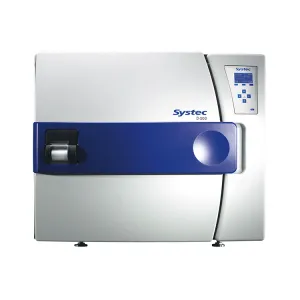
Front-loading, bench-top autoclaves available in 7 sizes with chamber capacities ranging from 23 to 200 l. Compact on the outside but with ideal chamber capacities inside. Each size has an optimal loading capacity for most standard media bottles and Erlenmeyer flasks.
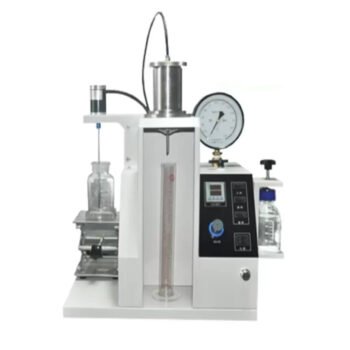
A Lube Oil Tester is a device used to check the condition and quality of lubricating oil in engines and machines. It helps detect issues like contamination, wear metals, water content, and viscosity changes, ensuring proper lubrication and preventing equipment damage. Regular oil testing helps extend machinery life and reduce maintenance costs.

A COD digestion unit is a laboratory device used to measure the Chemical Oxygen Demand (COD) of water or wastewater. It heats samples with a strong oxidizing agent (usually potassium dichromate in sulfuric acid) at 150°C for two hours. This process oxidizes organic matter, indicating pollution levels. It’s essential for water quality analysis in environmental monitoring.

GC-MS (Gas Chromatography–Mass Spectrometry) is an analytical technique used to separate and identify chemical substances in a sample. It combines Gas Chromatography (GC) for separating components based on volatility and Mass Spectrometry (MS) for identifying them based on their mass-to-charge ratio. GC-MS is widely used in forensics, environmental testing, drug detection, food analysis, and research due to its high sensitivity and accuracy in detecting trace-level compounds.


Reviews
There are no reviews yet.