

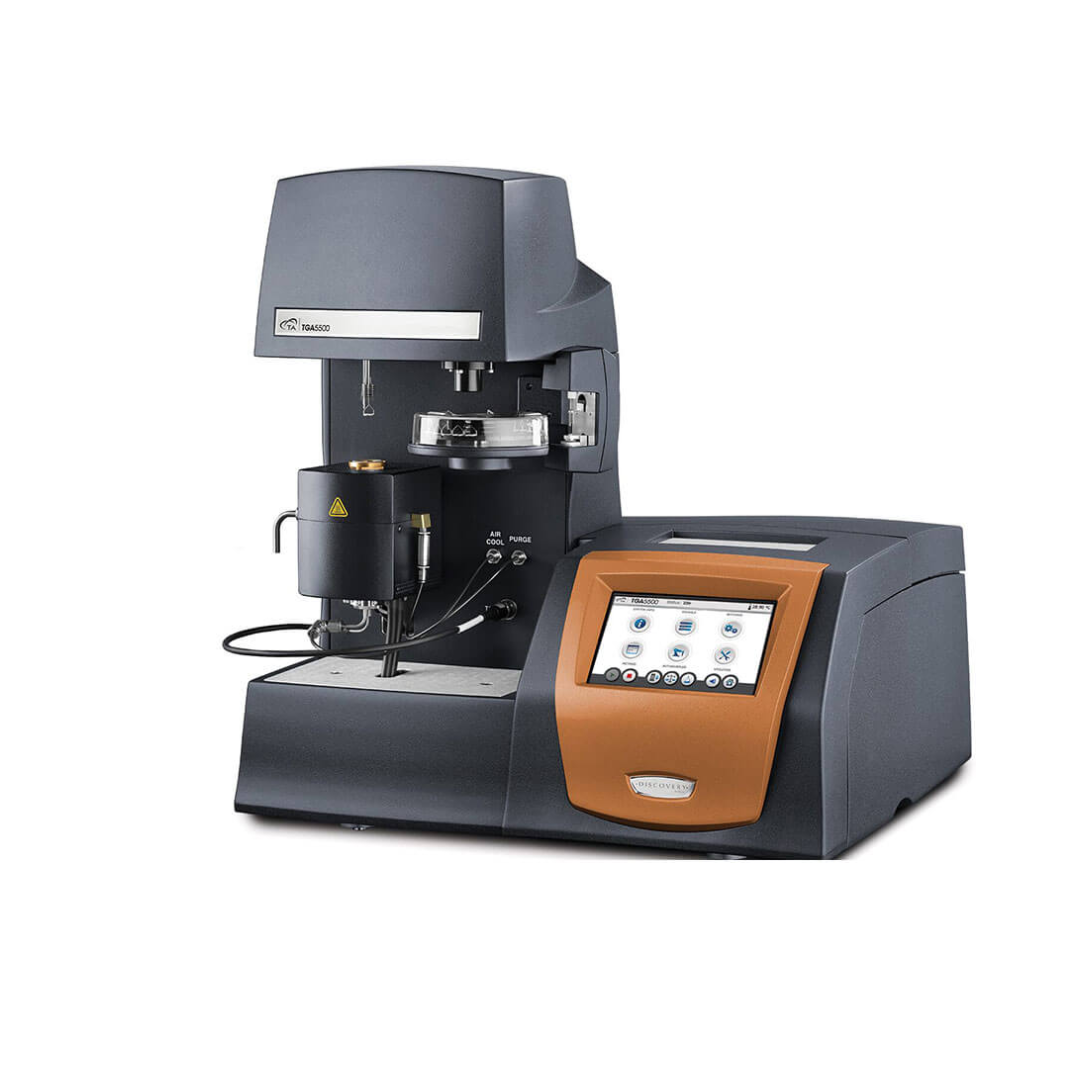
THERMAL GRAVIMETRIC INSTRUMENT(TGA)

A Thermal Gravimetric Instrument (TGA) measures changes in a material’s weight as it is heated, cooled, or held at a constant temperature. It helps determine thermal stability, composition, and decomposition temperatures. TGA is widely used in material science, polymers, and pharmaceuticals for quality control and research applications.
Related Products

FTIR (Fourier Transform Infrared Spectroscopy) is an analytical technique used to identify organic, polymeric, and some inorganic materials. It works by measuring how a sample absorbs infrared (IR) light at different wavelengths. The resulting spectrum represents the molecular fingerprint of the material, showing characteristic peaks corresponding to specific chemical bonds.

A laboratory oven is used for drying, sterilizing, and heating samples at controlled temperatures, typically ranging from 50°C to 300°C. It operates using convection to ensure uniform heat distribution. Common applications include removing moisture, curing materials, and conducting thermal testing in biological, chemical, and industrial labs.

A milk analyzer is a device used to quickly test the quality and composition of milk. It measures key parameters such as fat content, SNF (solids-not-fat), density, added water, protein, and lactose. Widely used in dairies, milk collection centers, and labs, it ensures fair pricing and quality control. Results are fast, accurate, and essential for dairy operations.

An oil distillation kit is a laboratory setup used to extract and purify essential oils or separate oil mixtures based on their boiling points through the process of distillation.

Hydrotherm boilers are high-efficiency heating systems used in residential and commercial buildings. They operate using hot water or steam and are typically gas-fired. Known for their durability and modular design, Hydrotherm boilers offer reliable and energy-efficient performance. Regular maintenance ensures long service life and optimal heating efficiency.

A COD digestion unit is a laboratory device used to measure the Chemical Oxygen Demand (COD) of water or wastewater. It heats samples with a strong oxidizing agent (usually potassium dichromate in sulfuric acid) at 150°C for two hours. This process oxidizes organic matter, indicating pollution levels. It’s essential for water quality analysis in environmental monitoring.
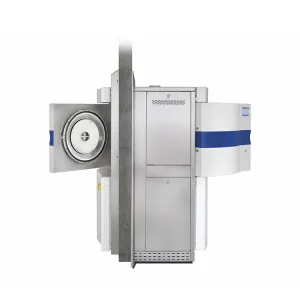
Double-door/pass-through autoclaves of the performance category HX can be used for all laboratory applications, even for sophisticated sterilization processes and are available in 13 different sizes with 90 to 1580 liters chamber volume. The combination of new features guarantees higher work precision, easier maintenance of devices, shorter and more efficient process times. All additional optional accessories can be fitted to obtain validatable processes. For use under the most stringent clean room and safety conditions: For biological safety laboratories, e.g. fitting as a sterilization and pass-through lock for protecting the external environment, for clean rooms in laboratories and production facilities as a sterilization and pass-through lock separating sterile and non-sterile areas.

A Flash Point Tester is an instrument used to determine the flash point of a liquid—the lowest temperature at which it emits enough vapor to ignite in air when exposed to an ignition source. This property is critical for assessing the flammability and fire hazard of fuels, solvents, oils, and other chemicals.

An HPLC column (High-Performance Liquid Chromatography column) is a crucial component of an HPLC system used to separate, identify, and quantify components in a liquid sample.

Moisture analyser with high-quality halogen quartz glass heater – also available as version with [d] = 10 mg, ideal for recurring rapid tests/ DAB.Moisture analyser with high-quality single-cell weighing system for outstanding stability,

A laboratory freezer is a specialized unit used to store biological samples, chemicals, reagents, and vaccines at low temperatures, typically ranging from –20°C to –80°C. It ensures sample stability and prevents degradation. Laboratory freezers are essential in research, clinical, and pharmaceutical settings for long-term preservation and safety.

An incubator is a laboratory device used to maintain a controlled environment with specific temperature, humidity, and sometimes CO₂ levels. It is essential for the growth of microorganisms, cell cultures, and eggs in biological and medical research. Incubators ensure stable conditions for experiments requiring consistent incubation over a set period.


Reviews
There are no reviews yet.