
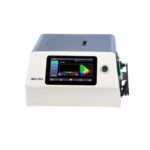

COLORIMETER
A colorimeter is a device used to measure the concentration of colored compounds in a solution by detecting the amount of light absorbed. It works on Beer-Lambert’s law and is widely used in chemistry, biology, and environmental labs. Colorimeters help in water testing, food analysis, and clinical diagnostics for quick, accurate color-based measurements.
Related Products

A UV-Vis Spectrophotometer is an analytical instrument used to measure the absorbance or transmittance of a sample in the ultraviolet (UV) and visible (Vis) light spectrum (typically 190–800 nm). It is widely used to determine the concentration of substances in solution based on Beer-Lambert’s Law.

A water distiller is a device used to purify water by boiling it into steam and then condensing the steam back into liquid. This process removes impurities such as salts, heavy metals, microorganisms, and most chemicals. Distilled water is often used in laboratories, medical settings, and for appliances like steam irons where mineral-free water is required. Although effective, distillation is slower and more energy-intensive compared to other filtration methods.

A laboratory chiller is a cooling device used to maintain a constant low temperature for laboratory instruments or processes. It works by circulating chilled fluid (like water or glycol) through equipment such as rotary evaporators, condensers, lasers, or reactors to dissipate heat.
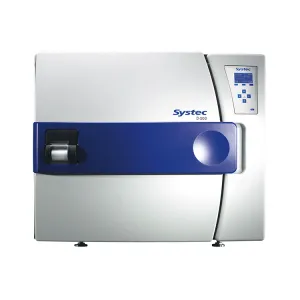
Front-loading, bench-top autoclaves available in 7 sizes with chamber capacities ranging from 23 to 200 l. Compact on the outside but with ideal chamber capacities inside. Each size has an optimal loading capacity for most standard media bottles and Erlenmeyer flasks.

A fat analyzer is a laboratory instrument used to determine the fat content in food and feed samples. It typically operates using solvent extraction methods like Soxhlet or automated systems. The analyzer extracts fat from the sample, then measures and calculates the percentage of fat present. It’s essential in quality control, nutrition labeling, and food research.

An oil distillation kit is a laboratory setup used to extract and purify essential oils or separate oil mixtures based on their boiling points through the process of distillation.

A magnetic stirrer hot plate is a common laboratory device used to heat and stir liquids simultaneously. It consists of a flat heating surface and a rotating magnetic field that spins a magnetic stir bar placed inside the liquid.

An HPLC column (High-Performance Liquid Chromatography column) is a crucial component of an HPLC system used to separate, identify, and quantify components in a liquid sample.

Hydrotherm boilers are high-efficiency heating systems used in residential and commercial buildings. They operate using hot water or steam and are typically gas-fired. Known for their durability and modular design, Hydrotherm boilers offer reliable and energy-efficient performance. Regular maintenance ensures long service life and optimal heating efficiency.

A milk analyzer is a device used to quickly test the quality and composition of milk. It measures key parameters such as fat content, SNF (solids-not-fat), density, added water, protein, and lactose. Widely used in dairies, milk collection centers, and labs, it ensures fair pricing and quality control. Results are fast, accurate, and essential for dairy operations.

A GC-MS column is a vital part of a Gas Chromatography-Mass Spectrometry (GC-MS) system, used to separate and analyze volatile and semi-volatile compounds in a sample.

Moisture analyser with high-quality halogen quartz glass heater – also available as version with [d] = 10 mg, ideal for recurring rapid tests/ DAB.Moisture analyser with high-quality single-cell weighing system for outstanding stability,


Reviews
There are no reviews yet.