
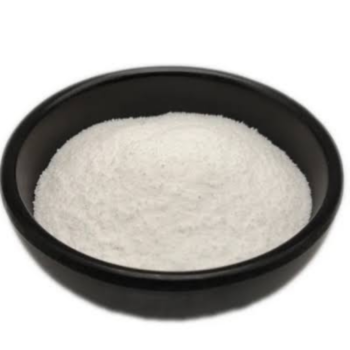
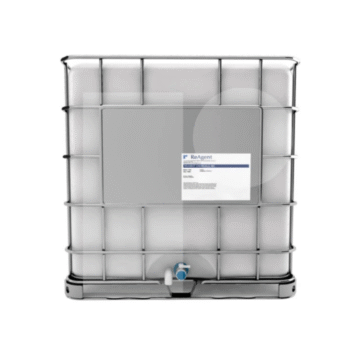


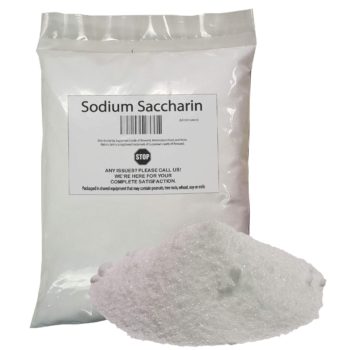
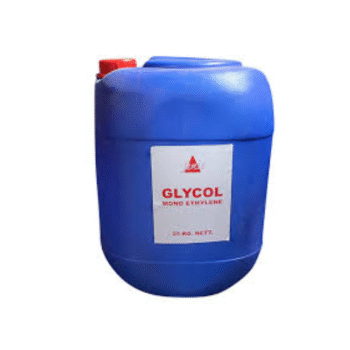
Glycol refers to a group of organic compounds, most commonly ethylene glycol and propylene glycol, known for their antifreeze and solvent properties. Widely used in automotive coolants, de-icing fluids, cosmetics, and pharmaceuticals, glycols are colorless, odorless, and water-soluble. They help regulate temperature and moisture. While useful industrially, some types like ethylene glycol are toxic if ingested.
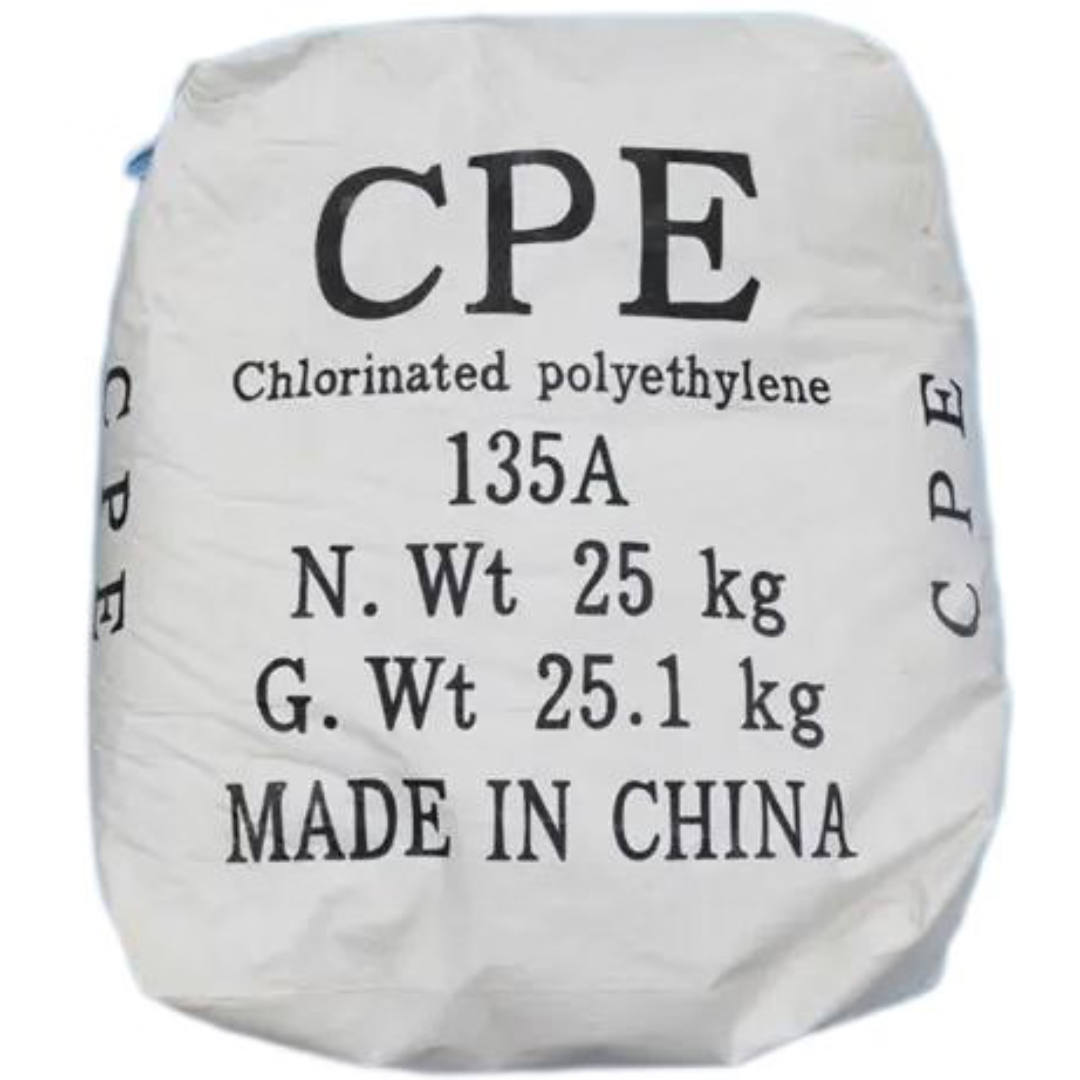
CPE (Chlorinated Polyethylene)
CPE (Chlorinated Polyethylene) is a versatile impact modifier used in plastics to improve flexibility, durability, and resistance to chemicals and heat.
... people are viewing this right now
Compare
Related Products
Pectin
Pectin is a natural plant-derived gelling, thickening, and stabilizing agent commonly used in jams, jellies, dairy products, beverages, and baked goods to improve texture and consistency.
Propylene glycol esters
Propylene Glycol Esters (E477) are versatile emulsifiers that improve aeration, texture, moisture retention, and stability in baked goods, desserts, ice cream, and non-dairy products.
Carrageenan
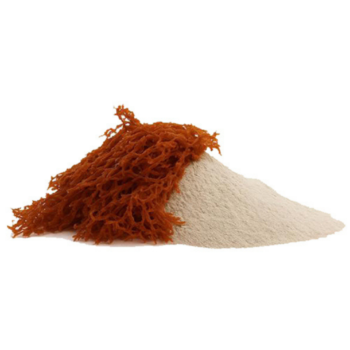
Carrageenan is a natural seaweed-derived thickener, stabilizer, and gelling agent used to improve texture and consistency in dairy products, desserts, beverages, and other food applications.
PROPAN-2-OL/ISOPROPANOL
Propan-2-ol, also known as isopropanol or isopropyl alcohol, is a colorless, flammable liquid with the chemical formula C₃H₈O. It is commonly used as a disinfectant, solvent, and cleaning agent. It evaporates quickly and leaves no residue. Widely used in medical, cosmetic, and industrial applications, it is toxic if ingested and should be used with proper ventilation.
Sodium stearoyl lactylate (SSL)
Sodium Stearoyl Lactylate (SSL) is a food-grade emulsifier and dough conditioner that improves texture, volume, stability, and shelf life in baked goods and other food products.
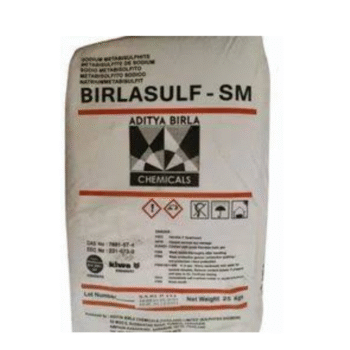
SMBS-ADITYA BIRLA
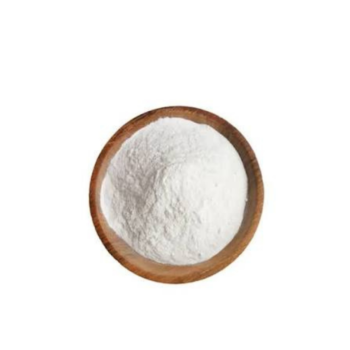
SMBS stands for Sodium Metabisulfite (Na₂S₂O₅), a white crystalline powder used as an antioxidant, preservative, and disinfectant. In industries, it serves in water treatment, textile bleaching, and food preservation (especially dried fruits). It releases sulfur dioxide when dissolved, which inhibits microbial growth. Though effective, it must be handled carefully due to its strong odor and potential irritant effects.
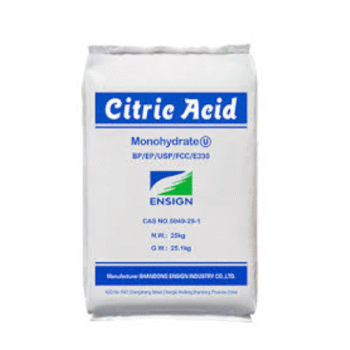
CITRIC ACID- ENSIGN
ENSIGN/ADITYA BIRLA Industrial grade citric acid is a weak organic acid widely used in cleaning agents, food processing, cosmetics, and industrial applications. It acts as a preservative, pH regulator, and chelating agent. Unlike food-grade citric acid, it may contain higher permissible impurities and is not suitable for consumption. It is cost-effective and essential in non-edible chemical formulations.


Reviews
There are no reviews yet.