
Plotting Compass
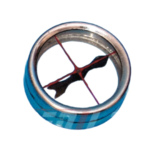
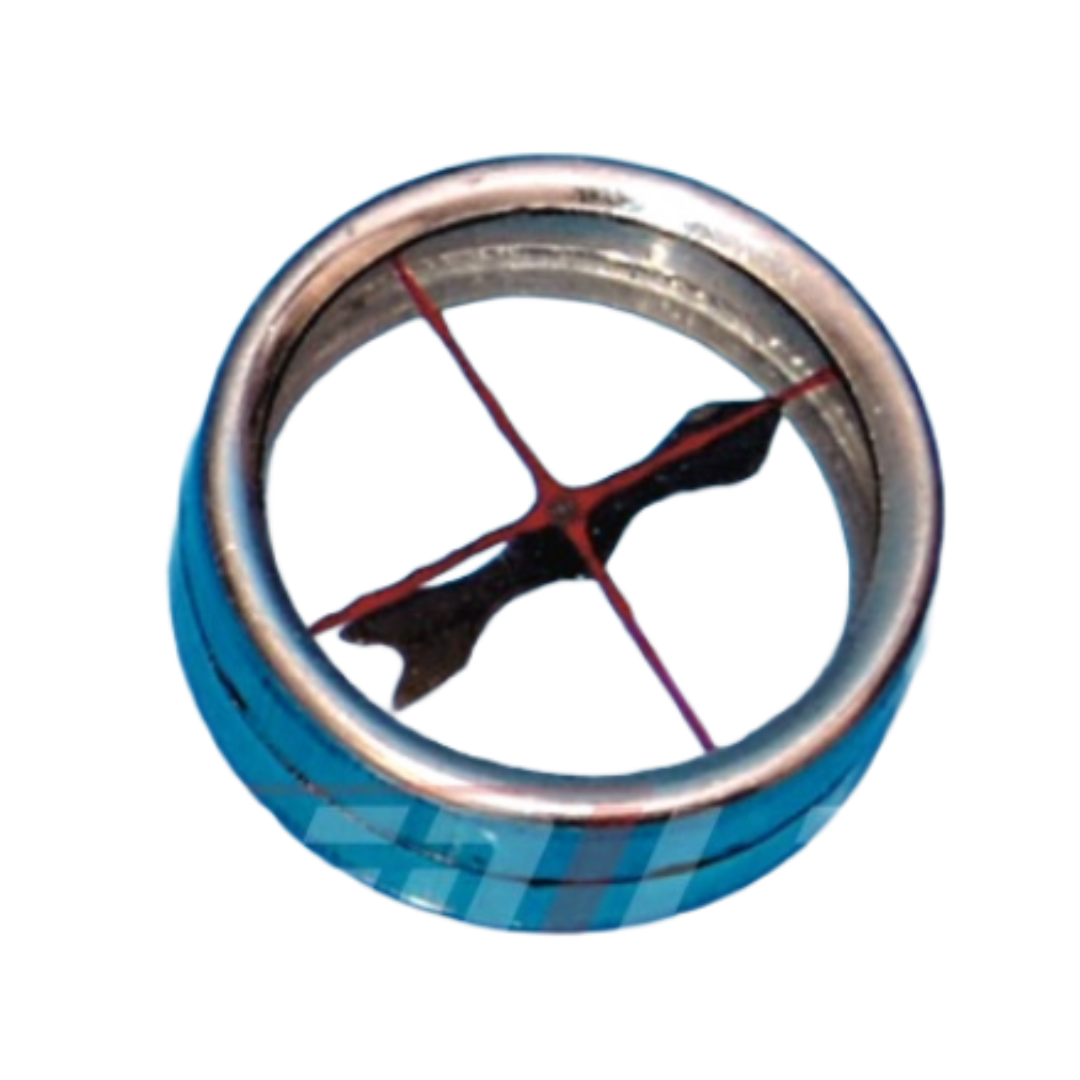
Plotting Compass is a precision laboratory instrument used to demonstrate and plot magnetic field lines in physics experiments. It features a 20 mm diameter compass with glass covers on both sides for clear visibility and protection.
Plotting Compass is designed for physics laboratory experiments involving magnetism and magnetic field mapping. It consists of a sensitive magnetic needle enclosed within a durable 20 mm diameter housing with glass covers on both sides, allowing clear observation while protecting the needle from damage.
The compass is used to determine the direction of magnetic fields and to plot magnetic field lines around magnets and current-carrying conductors accurately. Its compact design and smooth needle movement provide reliable and precise results during classroom demonstrations and laboratory experiments.
The Plotting Compass is suitable for schools, colleges, universities, and educational laboratories for teaching the fundamental principles of magnetism and electromagnetism.
Related Products
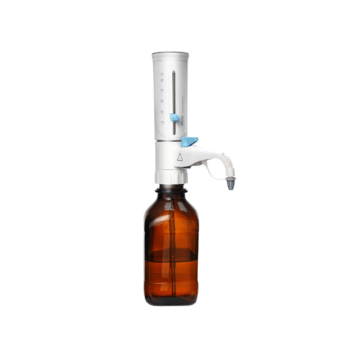
A bottle-top dispenser is a laboratory device mounted on reagent bottles to safely and accurately dispense specific volumes of liquid chemicals directly from the container. It is widely used to avoid spillage and reduce contamination during repetitive liquid handling.

An ultrasonic cleaner is a device that uses high-frequency sound waves (usually 20–40 kHz) in a liquid solution to clean objects thoroughly and efficiently. It removes dirt, grease, contaminants, and residues from items without damaging delicate surfaces.
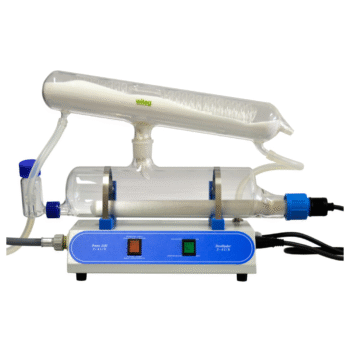
A glass water distiller is a laboratory device used to purify water by boiling it and condensing the steam back into liquid in a separate chamber. Made of heat-resistant glass, it removes impurities like salts, minerals, and microbes. It is commonly used in labs for preparing distilled water for experiments.


An orbital shaker is a laboratory device used to gently mix or agitate liquids in flasks, tubes, or beakers. It moves in a circular (orbital) motion, making it ideal for cell cultures, solubility studies, or general mixing. Commonly used in biology, chemistry, and pharmaceutical labs, it ensures uniform mixing without foaming.
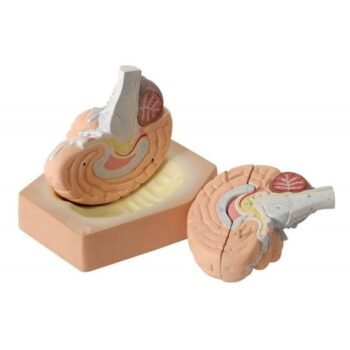
The Human Brain Model (4 Parts) is a detailed anatomical model designed to demonstrate the major structures and regions of the human brain. It is ideal for anatomy, neurology, medical education, and laboratory training.
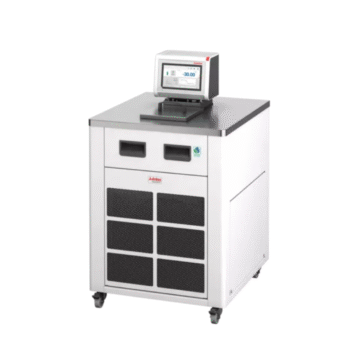
A refrigerated/heating circulator is a laboratory device used to precisely control the temperature of samples or equipment by circulating fluid. It can both heat and cool, typically ranging from -20°C to 150°C. Commonly used in chemical reactions, viscometers, and spectroscopy, it ensures stable and uniform thermal conditions.

An autoclavable mechanical micropipette is a laboratory instrument used to accurately measure and transfer small volumes of liquids, typically ranging from 0.1 µL to 1000 µL. It is designed with durable materials that allow for sterilization in an autoclave at 121 °C, ensuring contamination-free usage. These micropipettes offer adjustable volume settings, ergonomic handling, and high accuracy and precision. They are widely used in molecular biology, microbiology, and analytical chemistry. The autoclavable feature makes them ideal for sterile environments, such as tissue culture or clinical labs. Their design ensures reliability and comfort during repetitive pipetting tasks.

A freeze dryer (or lyophilizer) is a device used to remove moisture from perishable materials by freezing the product and then reducing the surrounding pressure to allow the frozen water to sublimate. This process preserves the material’s structure and nutrients. Freeze dryers are widely used in pharmaceuticals, food processing, and biological research for long-term preservation.

A vacuum-controlled aspiration system is a laboratory device used for the safe and efficient removal of liquid waste, such as supernatants or culture media, from tubes, flasks, or plates using controlled vacuum suction.


Reviews
There are no reviews yet.