
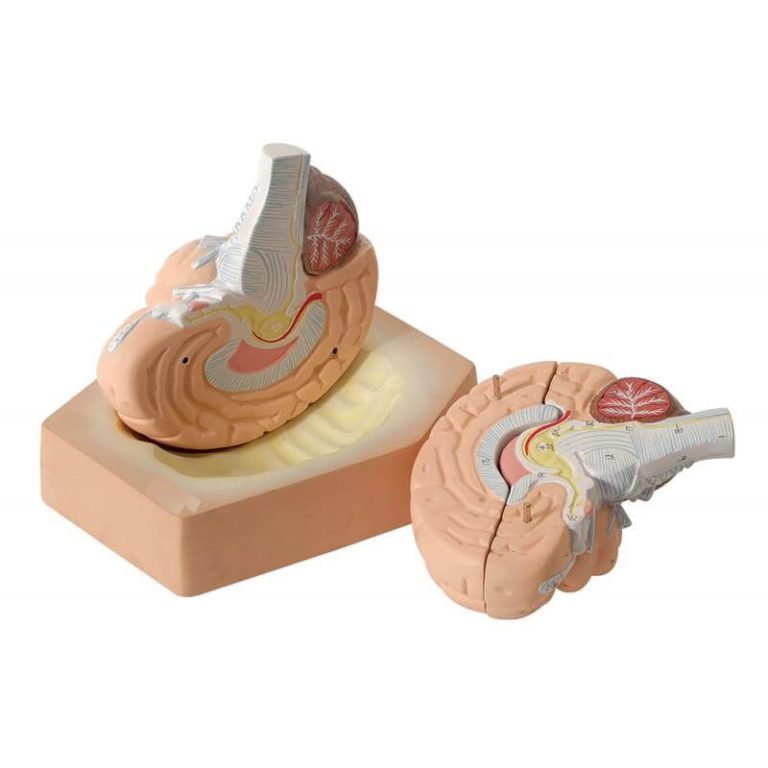
Human Brain Model (4 Parts)
The Human Brain Model (4 Parts) is a detailed anatomical model designed to demonstrate the major structures and regions of the human brain. It is ideal for anatomy, neurology, medical education, and laboratory training.
The Human Brain Model (4 Parts) is a detailed educational anatomical model that provides a three-dimensional representation of the human brain. The brain is medially divided into two halves, with the right half further divided into the frontal and parietal lobes, brainstem, temporal lobe, and occipital lobe for detailed study.
The model is mounted on a removable base and includes a numbered key card for easy identification of anatomical structures. Its detachable design allows students and healthcare professionals to examine the different brain regions through hands-on learning. It is suitable for medical schools, universities, biology laboratories, neurology training, and anatomy demonstrations.
Related Products
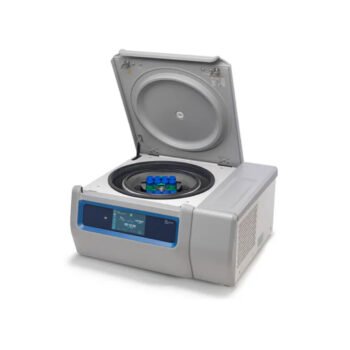

An electronic burette is a precision laboratory instrument used to accurately dispense and titrate liquids with the help of a digital control system. It combines the functions of a manual burette with the ease and accuracy of electronic operation.
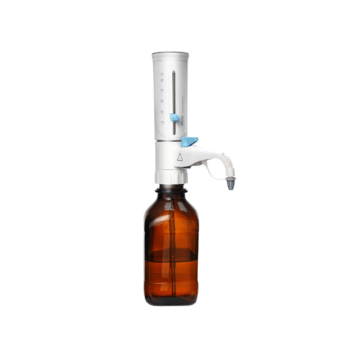
A bottle-top dispenser is a laboratory device mounted on reagent bottles to safely and accurately dispense specific volumes of liquid chemicals directly from the container. It is widely used to avoid spillage and reduce contamination during repetitive liquid handling.
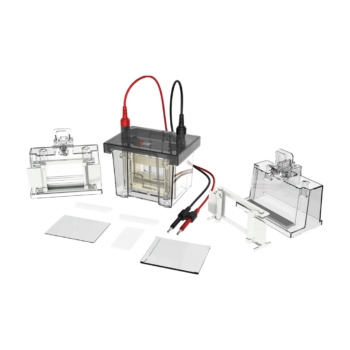
A compact vertical electrophoresis tank designed for DNA and protein sample separation. Supports dual gel running with durable construction and easy operation for laboratory applications.

An electronic micropipette is a digitally controlled liquid handling device used to accurately and precisely aspirate and dispense small volumes of liquids in laboratories. Unlike manual pipettes, it uses a motorized piston and electronic control to reduce hand strain and improve reproducibility.

A vacuum-controlled aspiration system is a laboratory device used for the safe and efficient removal of liquid waste, such as supernatants or culture media, from tubes, flasks, or plates using controlled vacuum suction.
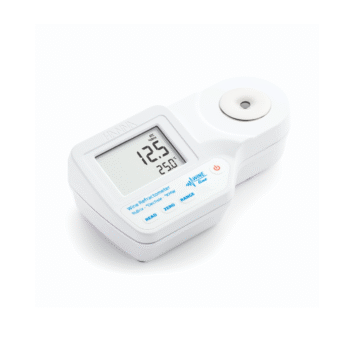
A refractometer is an instrument used to measure the refractive index of a substance, typically to determine concentration levels, such as sugar in liquids (Brix scale). Commonly used in food, beverage, and chemical industries, it provides quick and accurate results. It works by analyzing how light bends through the sample.

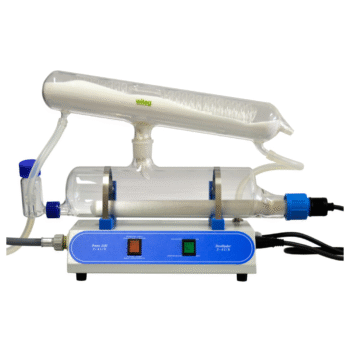
A glass water distiller is a laboratory device used to purify water by boiling it and condensing the steam back into liquid in a separate chamber. Made of heat-resistant glass, it removes impurities like salts, minerals, and microbes. It is commonly used in labs for preparing distilled water for experiments.
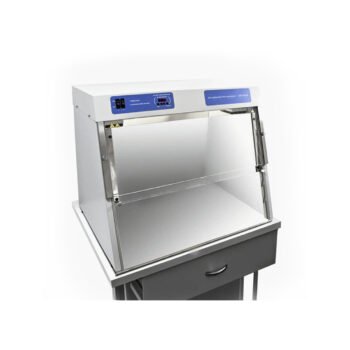
A UV Cabinet is a laboratory device used to sterilize and decontaminate equipment, tools, and sometimes biological samples using ultraviolet (UV) light, specifically UV-C radiation. UV-C light (wavelength around 254 nm) is germicidal—it destroys or inactivates microorganisms by damaging their DNA or RNA. These cabinets are commonly used in microbiology, molecular biology, and PCR work to prevent contamination. UV cabinets should only be used when closed and with proper shielding, as direct UV-C exposure is harmful to skin and eyes.

An orbital shaker is a laboratory device used to gently mix or agitate liquids in flasks, tubes, or beakers. It moves in a circular (orbital) motion, making it ideal for cell cultures, solubility studies, or general mixing. Commonly used in biology, chemistry, and pharmaceutical labs, it ensures uniform mixing without foaming.


Reviews
There are no reviews yet.