
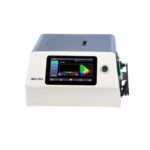

COLORIMETER
A colorimeter is a device used to measure the concentration of colored compounds in a solution by detecting the amount of light absorbed. It works on Beer-Lambert’s law and is widely used in chemistry, biology, and environmental labs. Colorimeters help in water testing, food analysis, and clinical diagnostics for quick, accurate color-based measurements.
Related Products

An oil distillation kit is a laboratory setup used to extract and purify essential oils or separate oil mixtures based on their boiling points through the process of distillation.

Vertical autoclaves ,Ideal for Biotechnology, Clinical, Environmental, Medical and Food Industry.Innovative Easy-to-Use Digital Fuzzy Controller.

A laboratory chiller is a cooling device used to maintain a constant low temperature for laboratory instruments or processes. It works by circulating chilled fluid (like water or glycol) through equipment such as rotary evaporators, condensers, lasers, or reactors to dissipate heat.

An HPLC column (High-Performance Liquid Chromatography column) is a crucial component of an HPLC system used to separate, identify, and quantify components in a liquid sample.

A Flash Point Tester is an instrument used to determine the flash point of a liquid—the lowest temperature at which it emits enough vapor to ignite in air when exposed to an ignition source. This property is critical for assessing the flammability and fire hazard of fuels, solvents, oils, and other chemicals.

A magnetic stirrer hot plate is a common laboratory device used to heat and stir liquids simultaneously. It consists of a flat heating surface and a rotating magnetic field that spins a magnetic stir bar placed inside the liquid.

GC-MS (Gas Chromatography–Mass Spectrometry) is an analytical technique used to separate and identify chemical substances in a sample. It combines Gas Chromatography (GC) for separating components based on volatility and Mass Spectrometry (MS) for identifying them based on their mass-to-charge ratio. GC-MS is widely used in forensics, environmental testing, drug detection, food analysis, and research due to its high sensitivity and accuracy in detecting trace-level compounds.

A fiber analyzer is a laboratory instrument used to determine the fiber content in food, feed, or plant materials. It measures components like crude fiber, neutral detergent fiber (NDF), and acid detergent fiber (ADF). The analyzer automates digestion, rinsing, and filtration processes, ensuring accurate and efficient analysis of dietary fiber for nutritional and agricultural studies.

A water distiller is a device used to purify water by boiling it into steam and then condensing the steam back into liquid. This process removes impurities such as salts, heavy metals, microorganisms, and most chemicals. Distilled water is often used in laboratories, medical settings, and for appliances like steam irons where mineral-free water is required. Although effective, distillation is slower and more energy-intensive compared to other filtration methods.
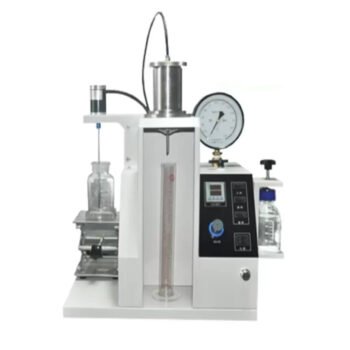
A Lube Oil Tester is a device used to check the condition and quality of lubricating oil in engines and machines. It helps detect issues like contamination, wear metals, water content, and viscosity changes, ensuring proper lubrication and preventing equipment damage. Regular oil testing helps extend machinery life and reduce maintenance costs.

A milk analyzer is a device used to quickly test the quality and composition of milk. It measures key parameters such as fat content, SNF (solids-not-fat), density, added water, protein, and lactose. Widely used in dairies, milk collection centers, and labs, it ensures fair pricing and quality control. Results are fast, accurate, and essential for dairy operations.

A laboratory oven is used for drying, sterilizing, and heating samples at controlled temperatures, typically ranging from 50°C to 300°C. It operates using convection to ensure uniform heat distribution. Common applications include removing moisture, curing materials, and conducting thermal testing in biological, chemical, and industrial labs.


Reviews
There are no reviews yet.